

Cart
0
TL;DR:
- Organic restorative foods are grown using regenerative practices that actively rebuild soil, biodiversity, and ecosystems. Choosing products with Soil Association or Regenerative Organic Certified labels ensures quality and transparency. Incorporating bone broth, fermented vegetables, and leafy greens into daily meals offers tangible health benefits rooted in soil health.
Organic restorative foods are organic produce and animal products grown using regenerative practices that actively rebuild soil, restore biodiversity, and support ecosystem function. Start here: prioritise bone broth, fermented vegetables, and seasonal leafy greens; look for Soil Association or Regenerative Organic Certified labelling; and try one simple restorative recipe this week.
-
Prioritise these first: slow-simmered bone broth, kefir or kimchi, and dark leafy greens from certified organic farms.
-
Check the label: Regenerative Organic Certified (issued by the Regenerative Organic Alliance) and the Soil Association symbol are the two most reliable markers in the UK.
-
Start cooking: a basic restorative broth soup takes under 20 minutes using ready-made organic broth and seasonal root vegetables.
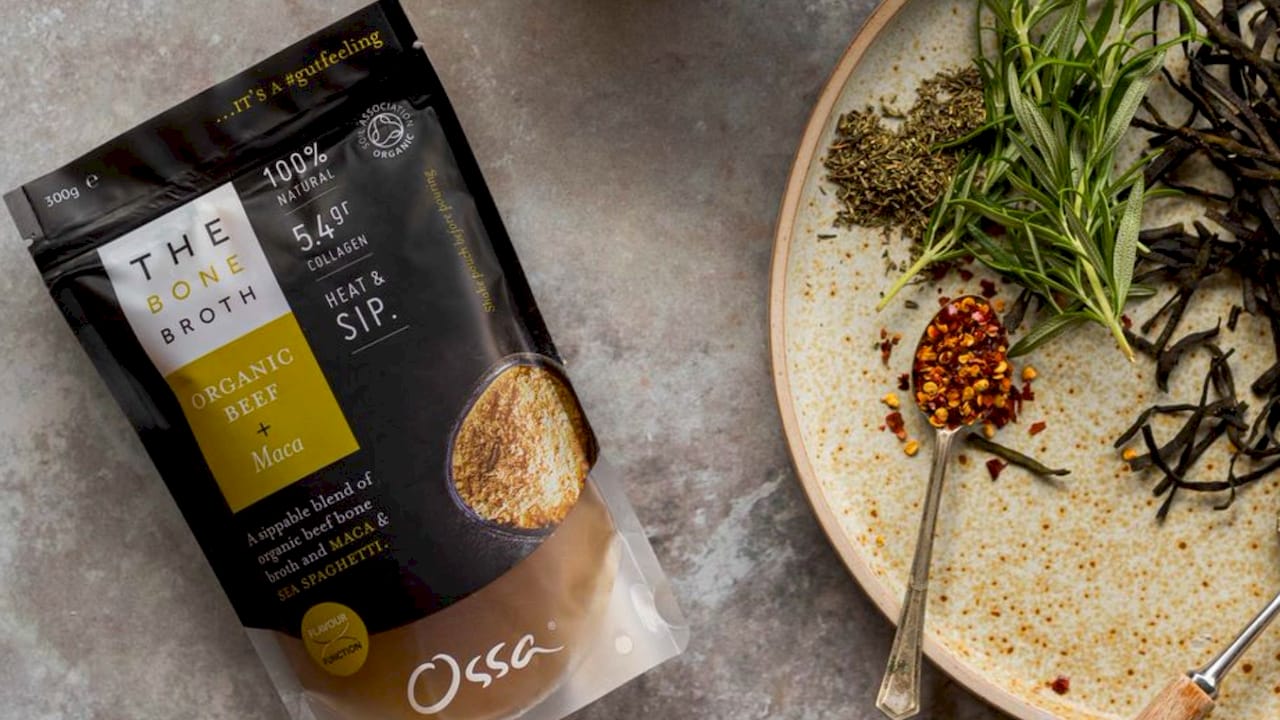
Ossa Organic is a practitioner brand built on these principles, sourcing pasture-raised bones and slow-simmering to extract the amino acids that make broth genuinely restorative rather than merely flavourful.
Table of Contents
-
What do ‘organic restorative’ and ‘regenerative organic’ actually mean?
-
What does the research say about nutrient density and health benefits?
-
What should you watch for: greenwashing, cost, and health cautions?
-
Ossa Organic’s practical lessons and three tested restorative recipes
-
Why restorative foods matter more than the trend cycle suggests
What do ‘organic restorative’ and ‘regenerative organic’ actually mean?
Standard organic certification, such as the Soil Association symbol in the UK, sets a clear floor: no synthetic pesticides, no artificial fertilisers, no routine antibiotics. Regenerative organic farming layers additional requirements on top of that floor. The focus shifts from avoiding harm to actively restoring the land, the ecosystem, and the communities that work it.
In practice, regenerative organic farms use cover crops to protect and feed the soil between harvests, rotational grazing to prevent overgrazing and stimulate root growth, composting to return nutrients, and reduced or no-till methods to preserve soil structure. Many also maintain on-farm seed mixes and hedgerow corridors to support pollinators and wildlife.
The Regenerative Organic Certified standard, developed by the Regenerative Organic Alliance, formalises these practices into three pillars: soil health, animal welfare, and farmworker fairness. That third pillar is notable. Standard organic rules say little about the people growing the food; regenerative organic standards address pay, conditions, and community benefit.
For shoppers, the practical distinction is this: a product labelled organic tells you what was not used. A product carrying a regenerative organic credential tells you what the farm actively did to leave the land in better condition than it found it.
What does the research say about nutrient density and health benefits?
Crops grown under regenerative systems tend to show higher concentrations of certain micronutrients and phytonutrients than conventionally grown equivalents. Empirical reports note increases in vitamin C, zinc, and polyphenols in crops such as leafy greens, grapes, and carrots under regenerative systems. The effect is most consistent in leafy greens, berries, and root vegetables, where soil biology directly influences mineral uptake and secondary metabolite production.
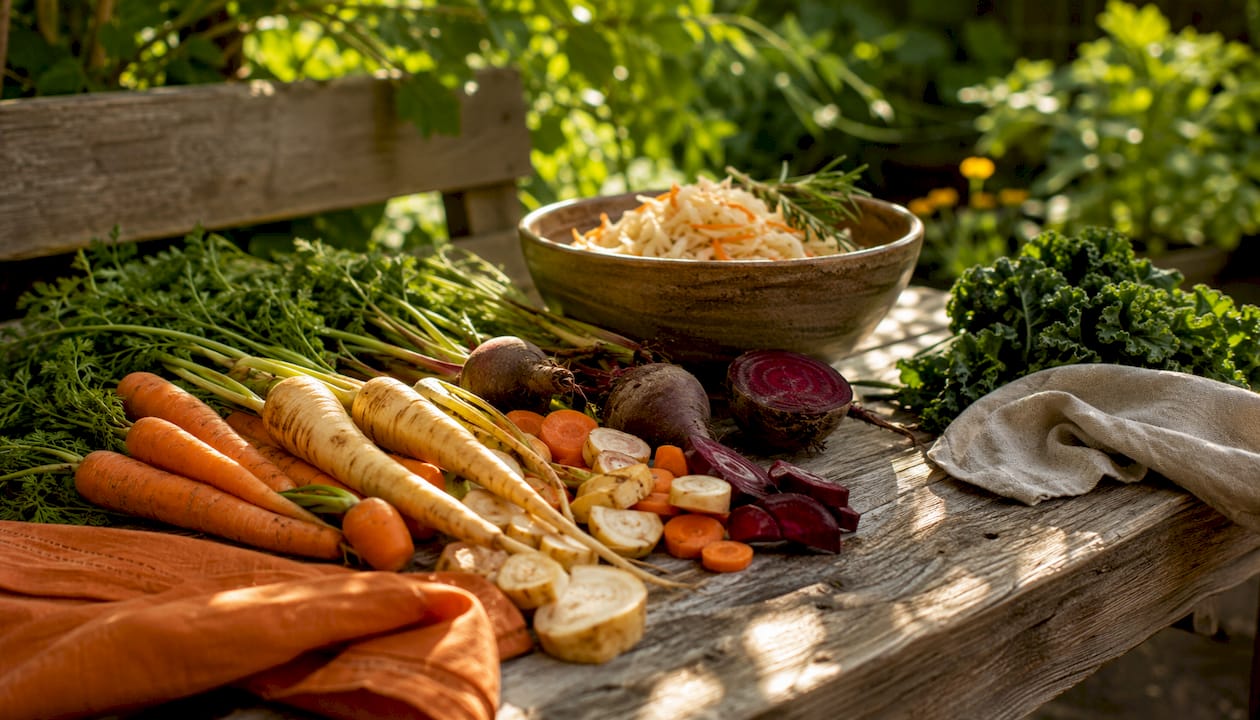
The mechanism is straightforward: healthier, more biologically active soil transfers a broader range of minerals and compounds into plant tissue. Depleted, chemically managed soil does not.
Key nutrients and their practical benefits:
-
Polyphenols (berries, leafy greens, olive oil): reduce markers of chronic inflammation; Harvard Health guidance lists these among the most evidence-backed anti-inflammatory foods.
-
Vitamin C (seasonal greens, berries): supports collagen formation and immune response; central to tissue repair protocols.
-
Zinc (pasture-raised meat, nuts, pulses): supports cell growth, wound healing, and immune modulation.
-
Collagen precursors and amino acids (bone broth): glutamine, glycine, and proline are cited by practitioners for gut-lining repair and recovery support.
-
Prebiotic fibre (asparagus, onions, high-fibre root veg): feeds beneficial gut bacteria and supports microbiome diversity.
-
Live cultures (kefir, kimchi, sauerkraut): deliver probiotic bacteria associated with microbiome recovery.
One important nuance: adding restorative foods works best when paired with removing inflammatory triggers. Nuffield Health guidance notes that combining nutrient-dense foods with avoidance of seed oils and processed sugars produces better recovery outcomes than adding superfoods to an otherwise poor diet. Restoration is both addition and subtraction.
Traditional medical systems, including Traditional Chinese Medicine and Ayurveda, also advise warm, easy-to-digest preparations during recovery phases, prioritising cooked and warming foods over raw salads when the body is under stress. That aligns with the bone-broth tradition Ossa Organic is built on.
Which labels and certifications can UK shoppers trust?
The short answer: Regenerative Organic Certified for regenerative claims, and Soil Association for UK organic. Both carry third-party audit requirements. Demeter certification (biodynamic) is a third option that shares many regenerative principles and has a long track record in the UK.
| Standard | Soil health practices | Animal welfare | Worker welfare | Traceability |
|---|---|---|---|---|
| Soil Association (organic) | Prohibited inputs; some soil standards | Yes | Limited | Yes |
| Regenerative Organic Certified | Active restoration required | Yes (pasture-based) | Yes (explicit) | Yes |
| Demeter (biodynamic) | Biodynamic soil management | Yes | Partial | Yes |
No single legal definition of ‘regenerative’ exists in the UK or globally. Any producer can print the word on packaging without meeting a defined standard. That gap is where greenwashing enters.
Three questions to ask a farmer or retailer:
-
How do you measure soil health, and can you share the results?
-
Are your animals pasture-based year-round, or only seasonally?
-
Can you provide traceability documentation or details of farm audits?
Pro Tip: For small producers at farmers’ markets or through CSA schemes, ask for their producer transparency page or farm newsletter. Farms that genuinely practise regenerative methods tend to document it openly, with photos, soil test results, and seasonal updates. Silence or vague answers are a warning sign.
Ten restorative foods and what makes each one restorative
-
Organic leafy greens (kale, spinach, chard): grown in biologically active soil with cover crops; high in polyphenols, vitamin C, and iron.
-
Berries (blueberries, blackcurrants): benefit most from diverse soil biology; among the highest polyphenol concentrations of any fruit.
-
Nuts (walnuts, almonds): from agroforestry or mixed-crop systems; provide omega-3 fatty acids and zinc.
-
Pasture-raised eggs: produced under rotational grazing and cover-crop systems; higher in omega-3s and vitamin D than caged equivalents. Pasture-based systems aim to leave land in better condition than found, with biodiversity gains documented on certified farms.
-
Pasture-raised meat (beef, lamb): rotational grazing builds soil carbon and produces meat with a more favourable omega-3 to omega-6 ratio.
-
Organic bone broth: slow-simmered from pasture-raised bones; delivers glutamine, glycine, and proline for gut-lining repair. Modern high-speed processing does not replicate the same amino acid extraction profile as traditional long simmering.
-
Fermented vegetables (kimchi, sauerkraut, lacto-fermented pickles): live cultures support microbiome diversity; prebiotic fibre feeds beneficial bacteria.
-
Seaweed and kelp (sustainably harvested): naturally mineral-rich, particularly in iodine and magnesium; requires no soil inputs and actively sequesters carbon.
-
Pulses from cover-cropped soils (lentils, chickpeas): nitrogen-fixing crops that improve soil structure; high in prebiotic fibre and plant protein.
-
Heirloom root vegetables (heritage carrots, parsnips, beetroot): grown from diverse seed mixes in biologically active soil; higher mineral density than commodity varieties.
Look for farms that combine diverse crop rotations, live cover crops between harvests, mixed livestock grazing, and managed composting. These four practices together are the clearest on-farm signal that ‘restorative’ is more than a marketing term.
Where can you buy organic restorative foods in the UK?
Direct-from-farm and specialist retailers are the most reliable routes. Farmers’ markets, community-supported agriculture (CSA) schemes, and farm-to-door veg boxes give you direct access to producers who can answer the three questions above. The Soil Association’s online farm directory and the Organic Farmers and Growers website both list certified producers by postcode.
For city dwellers, CSA veg boxes are the most practical option. Schemes such as those listed through Landworkers’ Alliance members deliver weekly boxes of seasonal certified organic produce, often with a farm newsletter that documents practices. Ordering seasonally, rather than requesting out-of-season items, keeps costs lower and nutrient density higher.
Mainstream retailers including Waitrose, Planet Organic, and Whole Foods Market stock Soil Association certified products and a growing range of regenerative-labelled lines. Read the back of the pack: look for a certification logo, not just the word ‘natural’ or ‘sustainable’.
Budgeting strategies for UK shoppers:
-
Prioritise high-impact purchases: certified pasture-raised eggs, organic bone broth, and a fermented staple (kefir or live sauerkraut) deliver the most restorative benefit per pound spent.
-
Use frozen organic berries and leafy greens for cost control. Freezing shortly after harvest preserves most micronutrients.
-
Buy seasonal root vegetables in bulk from a local farm or market and batch-cook or freeze them.
-
Split a CSA share with a neighbour to halve the weekly cost while maintaining access to certified produce.
For practical guidance on seasonal eating and sourcing, Adulting With Food covers how to build a diet around local, seasonal ingredients without overcomplicating the process.
How do you include restorative foods in everyday eating?
Three daily patterns make the biggest practical difference: use bone broth as the base for soups and grains; add a fermented condiment to at least one meal; and eat a daily portion of polyphenol-rich berries or dark leafy greens. None of these require significant cooking skill or time.
Simple restorative recipes to try
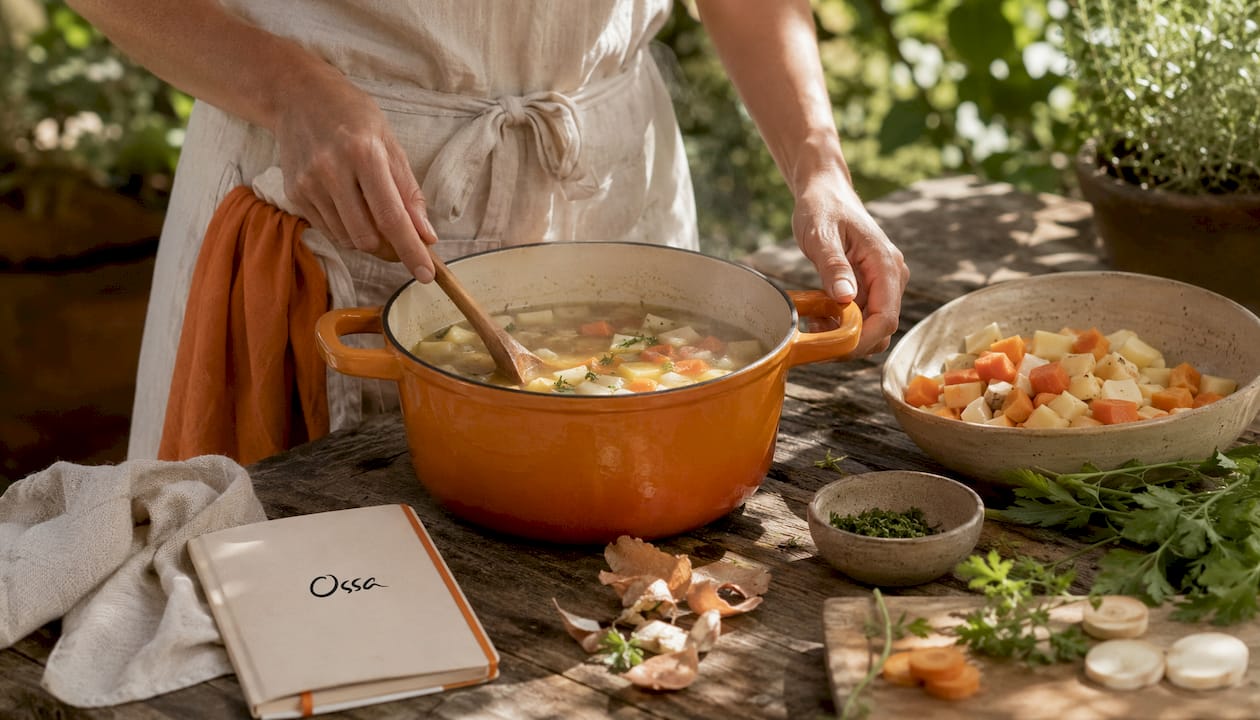
Restorative broth soup (15 minutes) Heat 500ml of organic bone broth. Add diced seasonal root vegetables (carrot, parsnip, celeriac), a handful of kale, and a pinch of turmeric. Simmer for 12 minutes. Finish with a squeeze of lemon and a drizzle of olive oil. The gut health benefits of bone broth are well documented; this preparation preserves the amino acid profile while adding polyphenols from the greens.
Simple fermented veg starter Shred half a white cabbage finely. Massage with 1 tsp sea salt until it releases liquid. Pack tightly into a sterilised jar, pressing until the cabbage is submerged in its own brine. Leave at room temperature for 5–7 days, pressing down daily. Refrigerate once tangy. This basic lacto-fermentation requires no equipment beyond a jar and salt.
Warming leafy-green bowl Wilt a large handful of spinach or chard in a dry pan. Top with a soft-boiled pasture-raised egg, a tablespoon of toasted walnuts, and a spoonful of live sauerkraut on the side. Dress with olive oil and lemon. The combination covers polyphenols, omega-3s, zinc, and live cultures in a single meal.
Batch cooking and storage
-
Make bone broth in a large batch (4–6 litres) using a slow cooker on low for many hours. Cool, skim, and freeze in 500ml portions.
-
Ferment a large jar of vegetables every two weeks; it keeps in the fridge for up to three months once active fermentation is complete.
-
Blanch and freeze seasonal greens at peak freshness. Blanching for 90 seconds before freezing halts enzyme activity and preserves colour and nutrients.
-
Roast a tray of mixed root vegetables on Sunday and refrigerate for use across the week in soups, grain bowls, or alongside eggs.
Pro Tip: Pair iron-rich plant foods (spinach, lentils) with a source of vitamin C (lemon juice, raw bell pepper) at the same meal. Vitamin C significantly improves non-haem iron absorption from plant sources, which matters if you eat mostly plant-based restorative meals.
For more ways to use broth beyond soup, ten creative uses for organic bone broth covers everything from cooking grains to making sauces.
What should you watch for: greenwashing, cost, and health cautions?
‘Regenerative’ carries no legal definition in the UK. Any brand can use the word without meeting a documented standard, undergoing an audit, or demonstrating measurable soil improvement. That is the single most important consumer caution in this space.
Greenwashing red flags to watch for: vague claims such as ‘sustainably sourced’ or ‘nature-friendly’ with no certification logo; product photography featuring open fields and livestock with no producer name or farm location; websites that describe values without linking to farm audits, soil test results, or third-party verification. When in doubt, ask directly. Genuine regenerative producers welcome the question.
Health and food-safety cautions:
-
Bone broth is high in protein and, depending on the source bones, can contain elevated levels of certain minerals. People with kidney disease or gout should consult a GP before consuming large quantities regularly.
-
Home fermentation is safe when basic hygiene is followed (sterilised jars, sufficient salt, submerged vegetables). Discard any batch that develops mould above the brine line or an off smell.
-
High-protein restorative diets are not appropriate for everyone. Those with phenylketonuria or specific metabolic conditions should seek medical guidance before significantly increasing protein intake.
-
Slow-simmered broths made from non-organic bones may concentrate heavy metals. Using certified organic, pasture-raised bones reduces this risk.
On cost and seasonality: restorative foods are generally more expensive than conventional equivalents. Prioritising the highest-impact items (bone broth, pasture eggs, fermented staples) and using frozen organic produce for everything else is a practical way to access the benefits without spending significantly more each week.
Ossa Organic’s practical lessons and three tested restorative recipes
Ossa Organic’s approach to sourcing centres on two non-negotiables: certified organic, pasture-raised bones, and traditional long-simmer methods. The brand was founded after its founder discovered the benefits of bone broth during pregnancy, and that origin shapes every product decision. Slow simmering extracts collagen and amino acids such as glutamine, glycine, and proline, linked by practitioners to gut-lining repair. High-speed commercial processing does not replicate this profile, which is why Ossa Organic’s real bone broth differs from most supermarket alternatives.
Three formulas that inform Ossa Organic’s product development:
Restore broth blend: Pasture-raised beef and chicken bones, slow-simmered for a minimum of 18 hours with organic vegetables and apple cider vinegar to aid mineral extraction. The acid draw helps release calcium and magnesium from the bone matrix. Sourcing is traceable to certified organic farms.
Fermented veg starter: Seasonal organic cabbage and root vegetables, lacto-fermented using sea salt only, with no added vinegar or preservatives. The live culture profile depends on the season and the vegetable mix, which is why Ossa Organic favours seasonal sourcing over a fixed formula.
Seasonal greens stew: Organic kale, chard, and leek slow-cooked in bone broth with garlic, lemon zest, and olive oil. Cooking duration is kept short (12–15 minutes) to preserve water-soluble vitamins while the broth base delivers the amino acid content.
For readers who want a ready-made starting point, the Ossa X The Food Doula Restore Broth Bundle brings together these restorative principles in a single, convenient package developed with nutritional practitioner The Food Doula.
Key takeaways
Organic restorative foods deliver measurably higher nutrient density than standard produce when grown using documented regenerative practices that actively rebuild soil biology, biodiversity, and ecosystem function.
| Point | Details |
|---|---|
| Definition matters | ‘Regenerative organic’ adds active soil restoration and welfare standards on top of standard organic rules. |
| Certifications to trust | Soil Association and Regenerative Organic Certified are the most reliable UK markers; ‘regenerative’ alone has no legal definition. |
| Highest-impact foods | Bone broth, pasture-raised eggs, fermented vegetables, and dark leafy greens deliver the strongest restorative benefit per meal. |
| Practical daily habits | Use bone broth as a soup base, add a fermented condiment to one meal daily, and eat a portion of polyphenol-rich berries or greens. |
| Ossa Organic | The Ossa X The Food Doula Restore Broth Bundle offers a certified, slow-simmered restorative broth as a practical starting point. |
Why restorative foods matter more than the trend cycle suggests
The conversation around restorative and regenerative foods has attracted a great deal of marketing noise. That noise obscures something straightforward: the quality of what you eat is directly connected to the quality of the soil it came from, and the way it was prepared. These are not new ideas. They are the basis of traditional food cultures that predate the industrial food system by centuries.
What tends to get lost in the wellness trend cycle is that restoration is not a product category. It is a set of practices, both on the farm and in the kitchen. A certified organic bone broth slow-simmered for 18 hours is restorative. The same broth made from non-organic bones and processed at speed is not, regardless of what the label says. The distinction is in the method and the provenance, not the marketing.
Ossa Organic’s position is that consumers deserve to know exactly where their food comes from and how it was made. That transparency is not a premium feature; it is the minimum standard for any food that makes a restorative claim. The brands and farms worth supporting are the ones that document their practices openly and welcome scrutiny.
Small, consistent changes, one certified purchase, one home-fermented jar, one batch of broth, compound over time. The goal is not a perfect restorative diet from day one. It is a gradual shift away from processed, inflammatory foods towards ingredients that support the body’s own repair systems.
The Ossa X The Food Doula Restore Broth Bundle
For readers who want to adopt a restorative broth routine without starting from scratch, the Restore Broth Bundle from Ossa Organic and The Food Doula is a direct application of everything this article covers. It combines Ossa Organic’s certified organic, slow-simmered bone broth with the nutritional practitioner expertise of The Food Doula, specifically designed to support gut health and recovery.
The bundle is available to order online and delivered across the UK. It is a practical shortcut for anyone who wants the benefits of restorative broth without the 18-hour simmer time. Visit the product page to check current availability and order.
Further reading and primary sources
The evidence base for restorative and regenerative organic foods draws on peer-reviewed nutrition research, established health institutions, regenerative certification bodies, and specialist practitioners. The sources below represent the most directly relevant material for readers who want to follow the evidence further.
-
Harvard Health: Foods that fight inflammation
-
Regenerative Organic Alliance: Regenerative Organic Certified standard
-
Glencoe Health: What foods are good for healing wounds
-
Restorative Health Solutions: Gut-healing foods
-
Vinmec: 12 healing foods to eat after surgery or injury
-
Nuffield Health: Recover from injury faster with healing foods
-
Soil Association: UK organic certification standards
-
Demeter UK: Biodynamic certification
-
Landworkers’ Alliance: UK CSA and farm directory
-
Organic Farmers and Growers: UK certified producer listings
FAQ
What are organic restorative foods?
Organic restorative foods are organic produce and animal products grown using regenerative farming practices that actively rebuild soil health, biodiversity, and ecosystem function, rather than simply avoiding synthetic inputs.
What is an example of a regenerative diet?
A regenerative diet prioritises pasture-raised eggs and meat, organic leafy greens, seasonal root vegetables, bone broth, fermented foods, and pulses from cover-cropped soils, all sourced from farms using rotational grazing and soil-building practices.
Are regenerative organic foods healthier than standard organic?
Evidence indicates that regenerative organic crops can show higher concentrations of certain micronutrients and polyphenols, particularly in leafy greens, berries, and root vegetables, though the degree of difference varies by crop and farming system.
What are organic restorative eggs?
Organic restorative eggs come from hens raised on pasture under rotational grazing systems, where the land is actively managed to restore soil and biodiversity. They tend to have a more favourable omega-3 profile than caged or barn-raised equivalents.
How do you start eating more restorative foods on a budget in the UK?
Prioritise certified pasture-raised eggs, organic bone broth, and a fermented staple such as live kefir or sauerkraut. Use frozen organic berries and greens for cost control, and consider splitting a CSA veg box share to reduce the weekly outlay.