

Cart
0
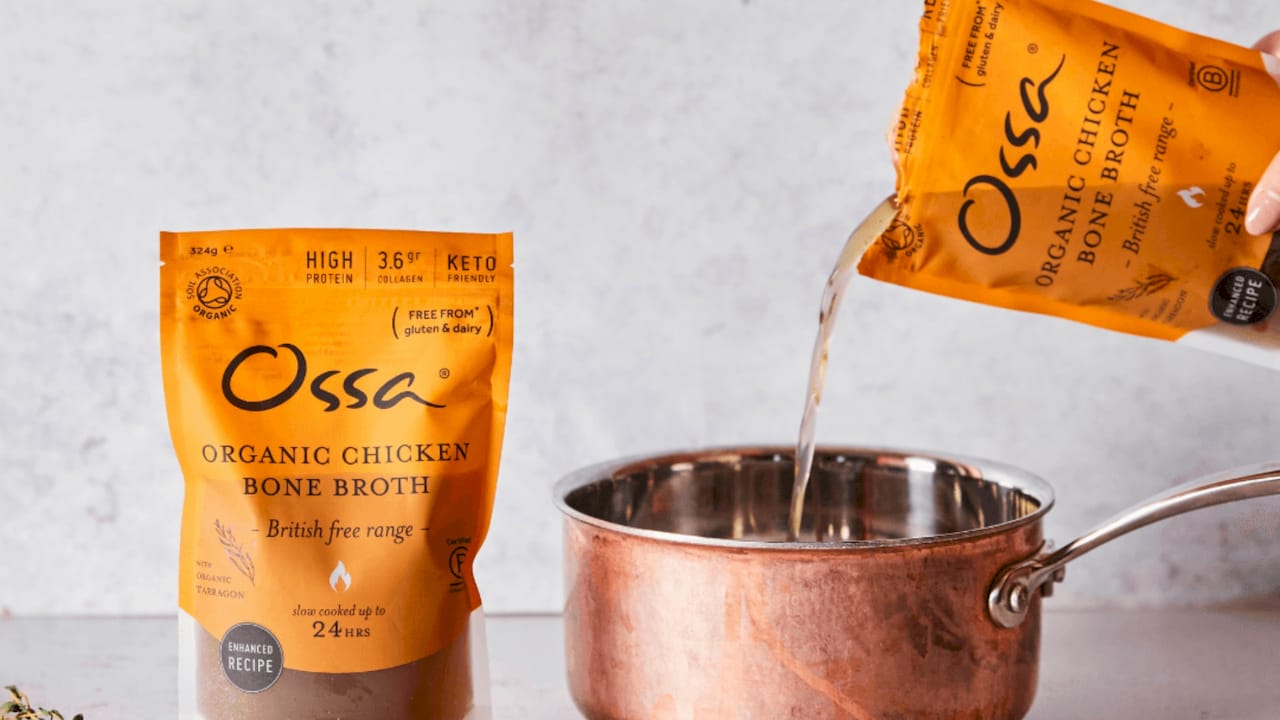
Minerals in organic food play a direct role in bone strength, nerve function, gut health, and enzyme activity. Regenerative organic farming practices can improve the mineral profile of crops by building soil biology, and foods like bone broth concentrate those minerals into a form the body absorbs readily. For families making daily food choices, this matters.
-
Prioritise fresh, seasonal organic produce: leafy greens, legumes, dairy, and wholegrains cover most mineral needs.
-
Consider organic bone broth as a mineral-dense, gut-friendly addition to family meals.
-
Speak to your GP if you suspect a deficiency, particularly during pregnancy, infancy, or with a restrictive diet.
Table of Contents
-
How to buy, store, and cook organic food to keep minerals high
-
Why nutrient-dense food matters more than any single supplement
What are minerals and why do they matter for your body?
Minerals are inorganic elements the body cannot manufacture itself. They must come from food. Unlike vitamins, they are not destroyed by heat, though they can leach into cooking water if you are not careful.
They divide into two groups. Macrominerals are needed in larger amounts; trace minerals are required in smaller quantities but are no less important.
| Mineral | Type | Primary food sources | Core function |
|---|---|---|---|
| Calcium | Macromineral | Dairy, leafy greens, fortified foods | Bone and tooth formation, muscle contraction |
| Magnesium | Macromineral | Nuts, seeds, wholegrains, leafy greens | Enzyme activation, nerve and muscle function |
| Phosphorus | Macromineral | Meat, dairy, legumes | Bone structure, energy metabolism |
| Potassium | Macromineral | Potatoes, bananas, pulses | Fluid balance, nerve transmission |
| Sodium | Macromineral | Salt, processed foods, some vegetables | Fluid regulation, nerve signalling |
| Iron | Trace mineral | Red meat, legumes, fortified cereals | Oxygen transport in blood |
| Zinc | Trace mineral | Meat, seeds, wholegrains | Immune function, wound healing |
| Manganese | Trace mineral | Wholegrains, nuts, leafy vegetables | Bone formation, antioxidant enzymes |
| Copper | Trace mineral | Organ meats, shellfish, nuts | Iron metabolism, connective tissue |
Because minerals are inorganic, cooking does not destroy them. The main risk is leaching: boiling vegetables in large volumes of water and discarding that liquid removes a meaningful portion of their mineral content.
How does organic farming affect mineral content in food?
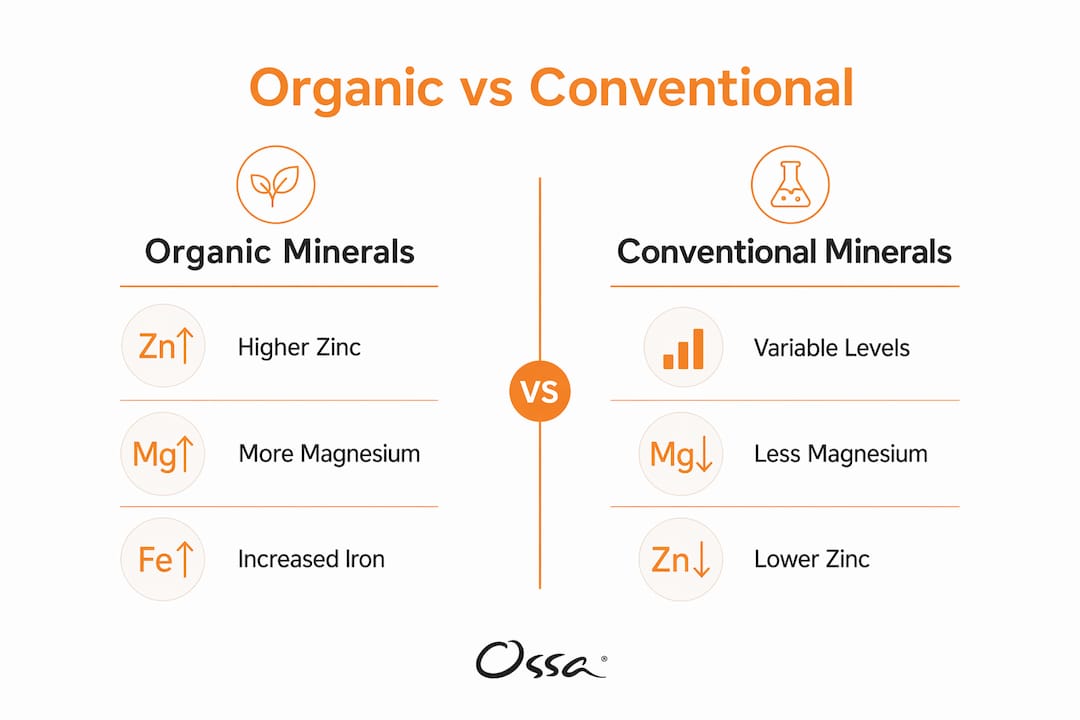
The connection between organic farming and mineral content runs through the soil. Practices such as composting, cover cropping, crop rotation, and reduced synthetic inputs support a more active soil microbial community. Those microbes solubilise minerals, making them available to plant roots in forms the plant can absorb.
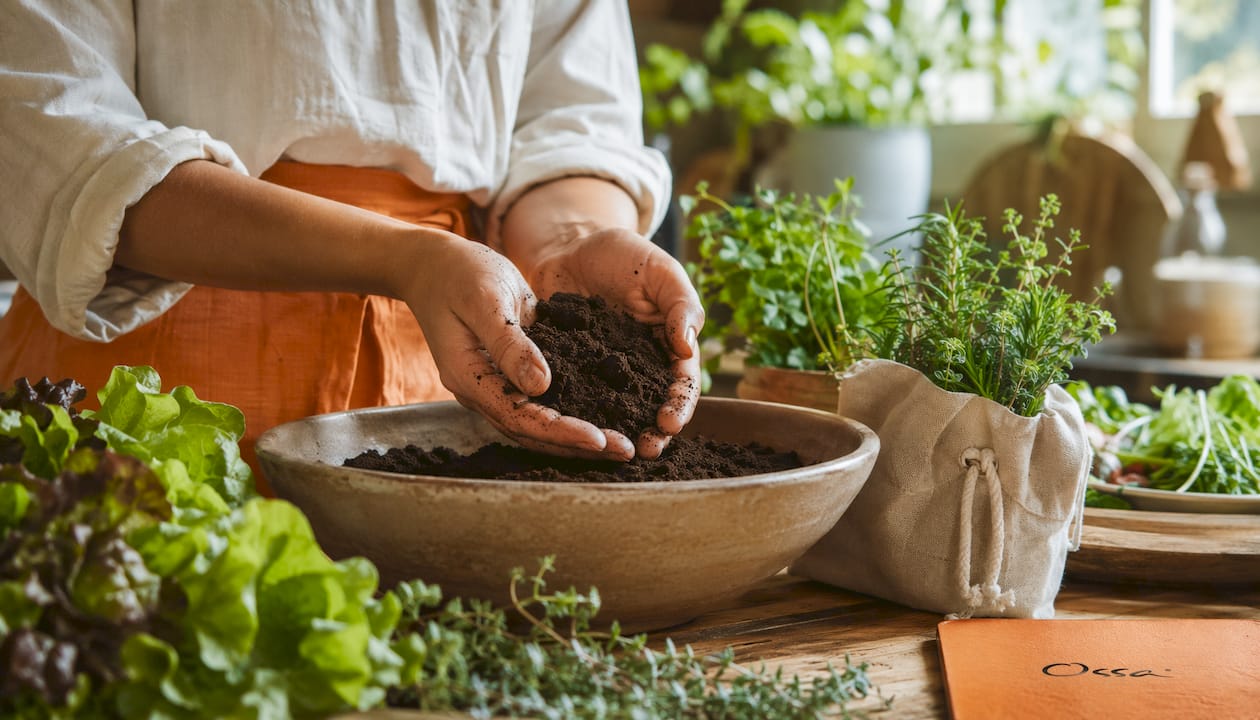
Soil organic matter also increases cation exchange capacity (CEC), which is the soil’s ability to hold positively charged mineral ions like calcium, magnesium, and potassium rather than letting them wash away. Higher CEC means more minerals stay accessible to crops.
Research published in PMC reviews of regenerative organic agriculture found that these practices can increase zinc, iron, and magnesium concentrations in some staple crops, alongside higher phytochemical content. Meta-analyses across hundreds of studies found higher antioxidant concentrations and lower cadmium and pesticide residues in organic crops compared with conventionally grown equivalents.
The caveats matter, though. Mineral outcomes vary by crop species, soil composition, climate, and harvest timing. “Organic” is a farming system certification, not a nutritional guarantee on every packet. Mayo Clinic guidance is clear that storage conditions and variety selection affect nutrient levels just as much as farming method.
-
Organic certification confirms reduced synthetic inputs, not a fixed mineral uplift.
-
Regenerative practices (composting, cover crops) tend to produce better mineral outcomes than basic organic compliance alone.
-
Harvest timing and storage after purchase affect what you actually eat.
-
Look for terms like “regenerative”, “compost-fed”, or B Corp certified as signals of deeper soil-health commitment.
Pro Tip: When buying from a farmers’ market or farm shop, ask whether the grower uses compost or cover crops. These two practices are the strongest indicators of active soil biology and better mineral cycling.
Which organic foods give your family the most minerals?
A mixed diet across food groups covers most mineral needs. Choosing organic versions of the foods below adds the potential soil-health benefit on top of their baseline mineral content.
By mineral and food source:
-
Calcium: Organic whole milk, yoghurt, hard cheese, kale, broccoli, and fortified oat milk.
-
Magnesium: Organic spinach, pumpkin seeds, almonds, black beans, and brown rice.
-
Iron: Organic red lentils, kidney beans, grass-fed beef, lamb’s liver, and fortified oats.
-
Zinc: Organic pumpkin seeds, wholegrain bread, grass-fed beef, and chickpeas.
-
Potassium: Organic potatoes (skin on), bananas, white beans, and sweet potatoes.
Bone broth as a mineral-dense option:
Slow-simmered organic bone broth extracts minerals directly from bones and connective tissue into a liquid that is easy to digest. For families, it works as a cooking base, a warm drink, or a soup foundation. Ossa Organic produces three ready-to-use broths:
-
1x Organic Beef Bone Broth Ambient 515ml — rich in minerals from grass-fed beef bones; suits hearty soups and stews.
-
Organic Free Range Chicken Bone Broth 500ml — lighter in flavour; ideal for family soups, risottos, and child-friendly meals.
-
1x Organic Chicken Bone Broth Ambient 515ml — ambient format for pantry convenience; use as a cooking liquid or sip warm.
A simple family use: replace water with chicken bone broth when cooking rice or lentils. The minerals from the broth absorb into the grain, and children rarely notice the difference.
Who may need more minerals, and when should you see a GP?
A varied diet typically supplies the minerals most people need. Certain groups, however, face a higher risk of shortfall.
-
Pregnant women: demand for iron, calcium, and magnesium rises significantly; the NHS recommends folic acid supplementation and advises discussing iron levels with a midwife or GP.
-
Infants and young children: rapid bone growth increases calcium and phosphorus needs; iron-rich weaning foods matter from around six months.
-
People following restrictive diets (vegan, dairy-free, or very low-calorie): risk of calcium, zinc, and iron gaps without deliberate food planning.
-
Those with gut conditions (coeliac disease, Crohn’s, IBS): impaired absorption reduces uptake of iron, magnesium, and zinc even when dietary intake looks adequate.
-
Older adults: calcium and magnesium absorption declines with age; bone density loss accelerates without adequate intake.
For anyone in these groups, a GP can request blood tests for serum iron, ferritin, serum magnesium, and other markers before supplementation begins. Self-prescribing high-dose iron supplements carries real risks, including gastrointestinal damage and interference with zinc absorption. Calcium supplements work best paired with vitamin D to support absorption. For women with specific hormonal or nutritional concerns, personalised nutrition guidance can complement GP advice.
Pro Tip: Food first, then test. Before adding any mineral supplement, ask your GP for a blood panel. A result showing a genuine deficiency is far more useful than guessing from symptoms alone.
How to buy, store, and cook organic food to keep minerals high
Buying:
-
Choose seasonal, locally grown produce where possible; shorter time from harvest to plate means less nutrient degradation.
-
Check “best before” dates on packaged organic goods; minerals are stable, but other nutrients degrade with age.
-
Whole foods retain more minerals than heavily processed organic products.
Cooking:
-
Steam vegetables rather than boil them in large volumes of water; this reduces mineral leaching significantly.
-
Reuse cooking liquids in soups, stews, and sauces. The water from steaming or lightly simmering vegetables carries dissolved minerals.
-
Cast-iron cookware can add a small amount of dietary iron to food, particularly in acidic dishes like tomato-based sauces.
Storage:
-
Store leafy greens in a damp cloth or sealed container in the fridge and use within a few days.
-
Freeze surplus vegetables promptly; freezing locks in minerals and most other nutrients effectively.
-
Reheat bone broth gently on the hob rather than in a microwave to preserve its texture and avoid uneven heating for children’s portions.
Pro Tip: Save the water from cooking potatoes or lentils. It contains leached potassium and magnesium. Add it to gravies, bread dough, or soup bases rather than pouring it away.
Why bone broth is a practical mineral source for families
Minerals are inorganic and persist through cooking. Slow simmering draws them out of bones and cartilage into the surrounding liquid, where they remain in a bioavailable form. This is the core reason bone broth has been used across cultures for centuries as a restorative food.
The amino acids in bone broth complement its mineral content. Glycine and proline support the gut lining, while the liquid format makes it easy to digest for people with reduced appetite, digestive sensitivity, or recovering from illness. It is a food, not a medical treatment, but its mineral and amino acid profile makes it a genuinely useful addition to a family’s diet.
Practical uses for Ossa Organic broths:
-
Sip the Organic Beef Bone Broth Ambient 515ml warm as a mid-morning drink instead of a second coffee.
-
Use the Organic Free Range Chicken Bone Broth 500ml as the base for a child-safe vegetable soup with soft-cooked carrots, leeks, and lentils.
-
Cook grains or pasta in the Organic Chicken Bone Broth Ambient 515ml for a simple mineral boost with no extra preparation.
Key takeaways
Minerals in organic food support bone, nerve, gut, and immune function, and regenerative farming practices can improve their concentration in crops, though outcomes vary by soil and species.
| Point | Details |
|---|---|
| Minerals are stable through cooking | They leach into water but are not destroyed; reuse cooking liquids to retain them. |
| Organic soil practices can raise mineral levels | Composting and crop rotation improve soil CEC, increasing zinc, magnesium, and iron in some crops. |
| Certain groups need closer attention | Pregnant women, young children, older adults, and those with gut conditions face higher deficiency risk. |
| Test before supplementing | Ask your GP for a blood panel before adding mineral supplements; excess iron in particular carries health risks. |
| Ossa Organic bone broths | The beef and chicken broths provide a convenient, mineral-dense, preservative-free option for daily family meals. |
Why nutrient-dense food matters more than any single supplement
The conversation around organic food and minerals often gets reduced to a simple question: is it worth the extra cost? That framing misses the point. The real value of choosing organic, and particularly regenerative organic, is not a guaranteed percentage uplift in any single mineral. It is a food system that builds soil health over time, reduces toxic residues, and produces food closer to what our digestive systems evolved to process.
Bone broth is a good example of this thinking in practice. It is not a supplement. It is a slow-cooked, whole-food source of minerals and amino acids that has been part of traditional diets across every culture. The fact that it also supports gut comfort is not a marketing claim; it follows directly from its composition.
Ossa Organic was founded on exactly this principle: that real food, prepared traditionally, does more for long-term health than any processed alternative with an added mineral claim on the label. The founder, Catherine Farrant, built the brand around her own experience during pregnancy, and the range has stayed true to that starting point.
Ossa Organic bone broths for mineral-rich family meals
Ossa Organic’s bone broths are made from organic, free-range, and grass-fed bones, slow-cooked without preservatives or artificial ingredients. Three options are available for families looking to add a mineral-dense, gut-friendly food to their weekly routine:
-
Organic Beef Bone Broth Ambient 515ml — rich, warming, and suitable for soups, stews, and sipping.
-
Organic Free Range Chicken Bone Broth 500ml — lighter and versatile for family cooking.
-
Organic Chicken Bone Broth Ambient 515ml — ambient format for pantry convenience.
For recipe ideas and serving guidance, visit the how to use page. If you have a specific health condition or suspect a mineral deficiency, speak to your GP before relying on any food or supplement to address it.
Useful sources for further reading
-
NHS — Vitamins and minerals: Clinical guidance on recommended intakes, deficiency symptoms, and when to seek GP advice. Search “NHS vitamins and minerals” for the current pages.
-
MedlinePlus — Minerals: Definitions, macromineral and trace mineral classifications, and bodily functions.
-
PMC — Regenerative organic agriculture and human health: Peer-reviewed review of soil-to-plate mechanisms and crop nutrient outcomes under regenerative systems.
-
Mayo Clinic — Organic foods: Overview of what organic certification means and its nutritional implications.
-
Oklahoma State University — Minerals and the body: Practical explanation of mineral stability through cooking and food sources.
-
Ossa Organic blog — Benefits of organic food: Consumer-facing overview of why organic choices matter for nutrition and family health.
-
Nourished — Research and references: Curated nutritional study references for readers who want to go deeper on supplementation and diet science.
FAQ
Do organic foods always contain more minerals than conventional ones?
Not always. Regenerative organic practices can increase zinc, magnesium, and iron in some crops, but outcomes vary by soil type, crop species, and harvest timing. Organic certification confirms farming method, not a fixed mineral level.
What is the role of minerals in organic food for gut health?
Minerals such as magnesium and zinc support the gut lining, enzyme production, and microbial balance. Organic bone broth delivers these minerals in a bioavailable liquid form that is gentle on the digestive system.
How does bone broth extract minerals from bones?
Slow simmering draws inorganic minerals out of bones and connective tissue into the surrounding liquid. Because minerals are not destroyed by heat, they remain intact and accessible in the finished broth.
Who should speak to a GP before changing their mineral intake?
Pregnant women, young children, older adults, and anyone with a gut condition such as coeliac disease or Crohn’s should consult a GP before supplementing. A blood test confirms whether a deficiency is present before any intervention.
Which Ossa Organic products are best for mineral intake?
The Organic Beef Bone Broth Ambient 515ml, Organic Free Range Chicken Bone Broth 500ml, and Organic Chicken Bone Broth Ambient 515ml are all slow-cooked, preservative-free options that contribute minerals from organic bones to family meals.