TL;DR:
- Organic food integrity requires strict certification, traceability, and ethical practices throughout the entire supply chain. These standards ensure genuine organic products reduce pesticide exposure, support ecosystem health, and promote animal welfare, benefiting both consumers and the environment. Consumer vigilance and verification of certifying logos help maintain the authenticity of organic claims beyond minimum regulatory compliance.
Organic food integrity is defined as the assurance that products labelled organic genuinely meet strict, legally defined standards at every stage of production, handling, and sale. The term covers far more than a label. It requires 95% certified organic ingredients in multi-ingredient products, verified supply chains, and ongoing regulatory oversight. Bodies such as the Soil Association in the UK and the USDA in the United States set and enforce these standards. Understanding what is organic food integrity helps you make genuinely informed choices, rather than relying on packaging claims alone. When integrity holds throughout the supply chain, the benefits of organic food reach you as intended: reduced pesticide exposure, healthier ecosystems, and food produced with ethical care.
What are the legal standards and certification processes that uphold organic food integrity?
Organic food integrity begins with a formal legal framework. Certification is not optional for most producers. Any business generating more than $5,000 in annual organic sales must obtain certification from an accredited body. That threshold exists to capture all but the smallest direct-to-consumer sellers, ensuring the vast majority of organic products on shelves carry verified credentials.

The organic certification process is demanding by design. Producers must complete a 36-month transition period before their land qualifies as certified organic. During those three years, no prohibited substances, including synthetic pesticides and artificial fertilisers, can be applied to the soil. Prohibited substance use resets the entire 36-month countdown, which means diligent soil and input testing is not optional. It is the only way to protect years of investment in transition.
The Organic System Plan: the backbone of certification
Every certified producer must maintain an Organic System Plan, or OSP. This is a living document that records every practice, input, and procedure on the farm or in the facility. The OSP must precisely reflect actual operations, because inspectors verify practices against it during annual on-site visits. Any discrepancy between the plan and observed practice causes delays and triggers further scrutiny. Producers who treat the OSP as a formality rather than an accurate record routinely fail inspections.
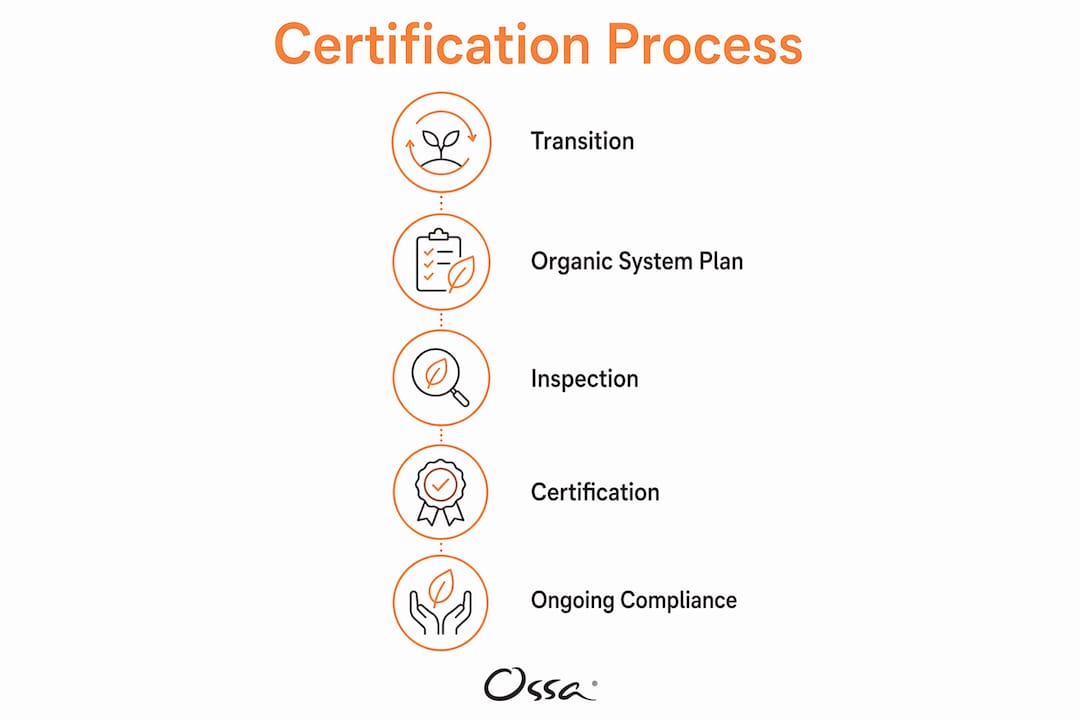
Annual inspections are a core enforcement tool. Federal and accredited certifying bodies conduct these visits to verify compliance and deter fraud. Civil penalties apply for non-compliance, including fraudulent labelling and the use of prohibited inputs. Those penalties exist because organic fraud undermines the entire market, not just the producer caught committing it.
The certification steps, in order, are:
-
Submit an application and Organic System Plan to an accredited certifying body.
-
Complete the 36-month transition period with no prohibited substance use.
-
Undergo an on-site inspection by a certified inspector.
-
Receive certification upon successful review.
-
Maintain annual inspections and update the OSP whenever practices change.
Pro Tip: Keep your Organic System Plan updated in real time, not just before inspections. Certifying bodies flag discrepancies between documented and observed practices as a primary cause of certification delays.
How does organic food integrity extend beyond legal standards?
Legal compliance sets the floor. True integrity in organic farming sits well above it. IFOAM Organics Europe defines organic integrity as a holistic commitment to a food system that prioritises ecosystem health, biodiversity, and animal welfare. That definition goes considerably further than any single regulation.
The four pillars that underpin this broader commitment are:
-
Health. Organic practices sustain the health of soil, plants, animals, and people as one interconnected system. Healthy soil produces nutrient-dense food without chemical shortcuts.
-
Ecology. Organic farming works with natural cycles rather than against them. Crop rotation, composting, and habitat preservation are standard practices, not optional extras.
-
Fairness. Integrity demands equitable relationships across the supply chain, from farm workers to consumers. Ethical sourcing means paying fair prices and maintaining safe working conditions.
-
Care. The precautionary principle applies throughout. Where there is uncertainty about a practice’s impact on ecosystems or human health, organic producers choose caution.
Animal welfare is a clear example of where organic standards exceed legal minimums. Certified organic livestock must have access to outdoor space, natural light, and species-appropriate feed. Many certifying bodies, including the Soil Association, go further by banning certain livestock practices such as routine antibiotic use and physical mutilations that are still permitted under standard farming regulations.
“Organic integrity is more than a label; it is a comprehensive commitment to sustainable and ethical food systems.” — IFOAM Organics Europe
This distinction matters for you as a consumer. When you choose a product with genuine organic integrity, you are supporting a system that actively improves the environment rather than simply doing less damage to it.
What practical measures ensure organic integrity through the supply chain?
Organic integrity does not end at the farm gate. Food integrity requires authenticity, traceability, and transparency at every point between producer and consumer. A product can lose its organic status entirely if any handler in the chain fails to maintain certification or allows cross-contamination.
Certification requirements across the chain
Every business that handles organic products, including processors, distributors, and retailers, must hold its own certification. Processor and retailer certifications are critical to prevent cross-contamination. A certified organic ingredient that passes through an uncertified facility can legally lose its organic status. That is not a technicality. It reflects the genuine risk that prohibited substances, allergens, or non-organic materials can enter the product stream at any handling stage.
The risks of cross-contamination and fraudulent mixing are real. Organic grain stored in a shared silo with conventional grain, or organic produce transported in an uncleaned vehicle, can both result in loss of certification. Traceability systems address this by creating a documented chain of custody from farm to table.
| Supply chain stage |
Certification requirement |
Key risk if uncertified |
| Farm |
Mandatory for sales over $5,000 |
Prohibited substance use undetected |
| Processor |
Mandatory |
Cross-contamination with non-organic inputs |
| Distributor |
Mandatory |
Fraudulent mixing or mislabelling |
| Retailer |
Mandatory for bulk organic sales |
Loss of organic status at point of sale |
Labelling is the consumer-facing end of this system. Certified organic products carry the mark of their certifying body, whether that is the Soil Association logo in the UK or the USDA Organic seal in the United States. Those marks are only permitted when the entire chain of custody has been verified. You can read ingredient labels clearly to confirm certification marks and ingredient sourcing before purchasing.
Pro Tip: When buying organic products, check for the certifying body’s logo rather than relying on the word “organic” alone. Unverified claims carry no legal weight.
What are the benefits of organic food integrity for health and sustainability?
Organic food integrity delivers measurable benefits. Those benefits only materialise when integrity is maintained throughout the supply chain. A product that claims organic status but lacks genuine certification does not carry the same advantages.
The health and environmental benefits of verified organic food include:
-
Reduced pesticide exposure. Organic food consumers have less pesticide residue exposure than those eating conventionally produced food. Organic standards prohibit synthetic pesticide use, which directly reduces the chemical load in the food you eat.
-
Soil health and biodiversity. Organic farming practices build soil organic matter over time. Healthier soil supports greater biodiversity above and below ground, creating more resilient ecosystems.
-
Animal welfare. Certified organic livestock standards require outdoor access, natural feed, and restrictions on routine medication. Those conditions produce healthier animals and, by extension, higher quality animal products.
-
Reduced chemical inputs. Organic systems avoid synthetic fertilisers and pesticides. That reduction lowers the risk of chemical runoff into waterways and reduces the overall chemical burden on local ecosystems.
-
Support for sustainable food systems. Organic integrity practices align with broader sustainability goals, including carbon sequestration in soil, reduced water pollution, and support for pollinator populations.
The importance of organic food extends beyond individual health. When you choose products with verified integrity, you are directing purchasing power towards farming systems that actively support environmental recovery. That connection between consumer choice and ecological outcome is one of the most compelling reasons to understand what makes food genuinely organic. Ossa Organic’s commitment to organic ingredients for gut health reflects exactly this principle: that the quality of what goes into a product determines the quality of what it does for your body.
Key takeaways
Organic food integrity is only genuine when certification, traceability, and ethical practice are maintained at every stage from farm to table, not just at the point of production.
| Point |
Details |
| Legal threshold for certification |
Products must contain at least 95% certified organic ingredients to carry an organic label. |
| Transition period is non-negotiable |
Producers must complete a 36-month prohibited-substance-free period before certification is granted. |
| Integrity spans the whole chain |
Processors, distributors, and retailers must all hold certification to preserve organic status. |
| Integrity exceeds legal compliance |
True organic integrity includes animal welfare, biodiversity, and ethical sourcing beyond minimum standards. |
| Consumer benefits are evidence-based |
Verified organic food reduces pesticide exposure and supports soil health and ecological balance. |
Organic integrity in practice: what experience teaches
At Ossa Organic, the question of organic food integrity is not abstract. It is a daily operational reality. When you source certified organic bones for bone broth, every supplier in the chain must hold valid certification. A single uncertified link voids the integrity of the finished product, regardless of how carefully everything else was handled.
What the regulatory framework does not fully capture is the gap between minimum compliance and genuine commitment. A producer can pass every annual inspection and still source ingredients from systems that prioritise yield over welfare. Certification tells you that standards were met at the point of inspection. It does not always tell you what the farm looked like the other 364 days of the year.
The uncomfortable truth about organic integrity is that it requires consumer vigilance, not just producer compliance. Global supply chains create genuine traceability challenges. An ingredient certified in one country passes through multiple jurisdictions before reaching a UK shelf, and the documentation trail can thin out at each border crossing. Informed consumers who ask questions, read certification marks, and support transparent brands create the market pressure that keeps producers honest.
The definition of organic food is not the hard part. The hard part is maintaining that definition under commercial pressure, across complex supply chains, and over the full growing cycle. That is why Ossa Organic’s Soil Association certification is not a marketing asset. It is a commitment renewed every year through inspection, documentation, and practice.
— Ossa Organic
Ossa Organic’s certified range: integrity from source to shelf
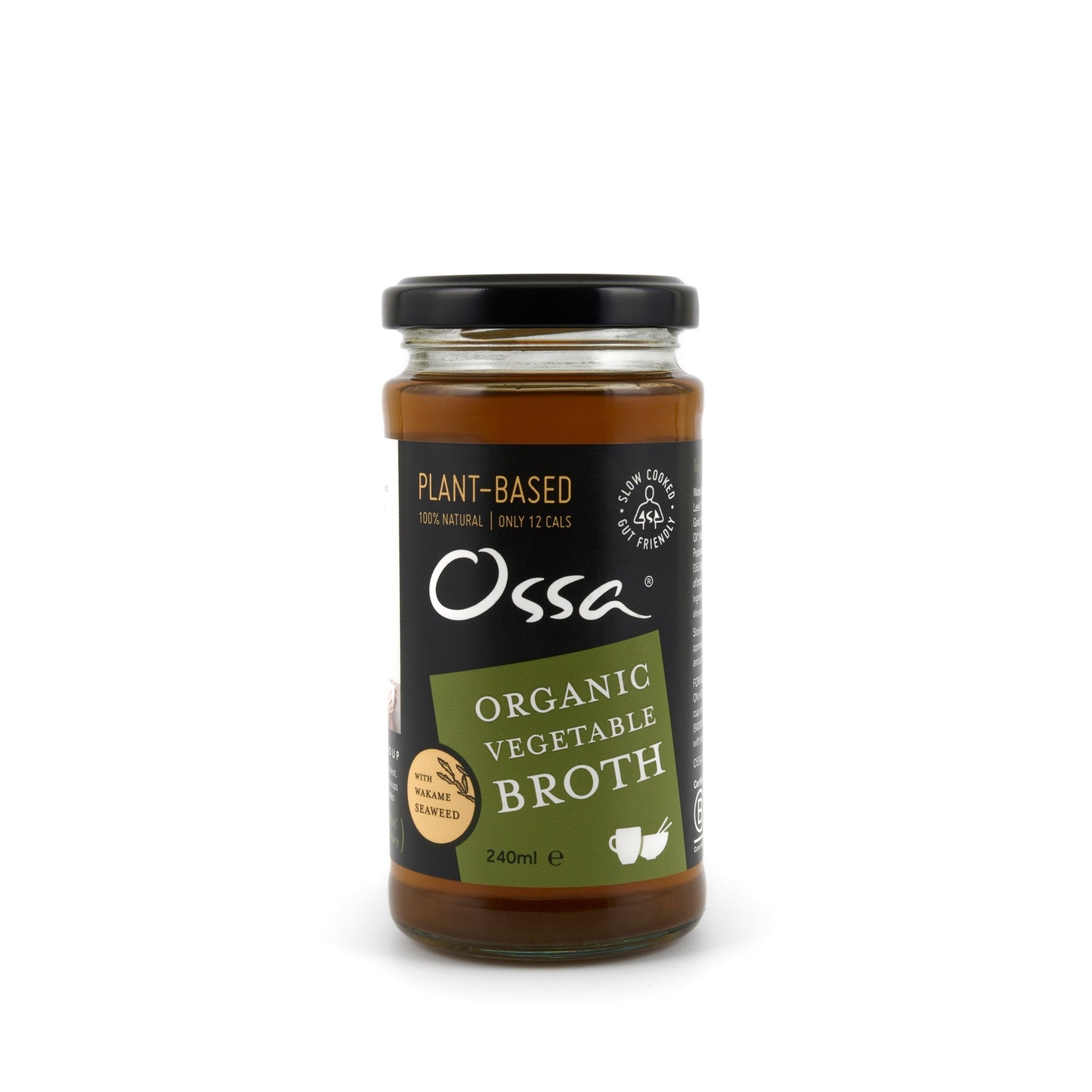
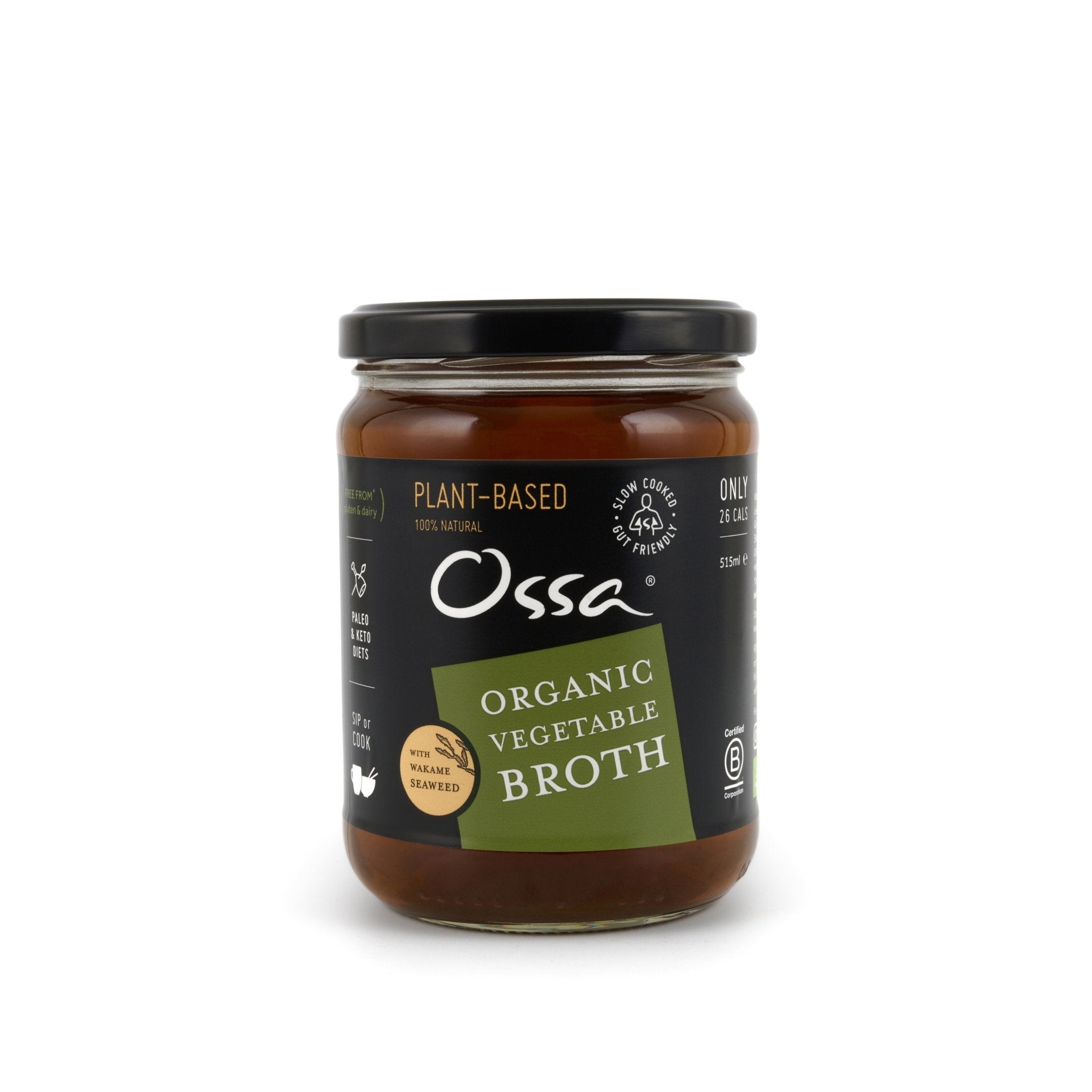
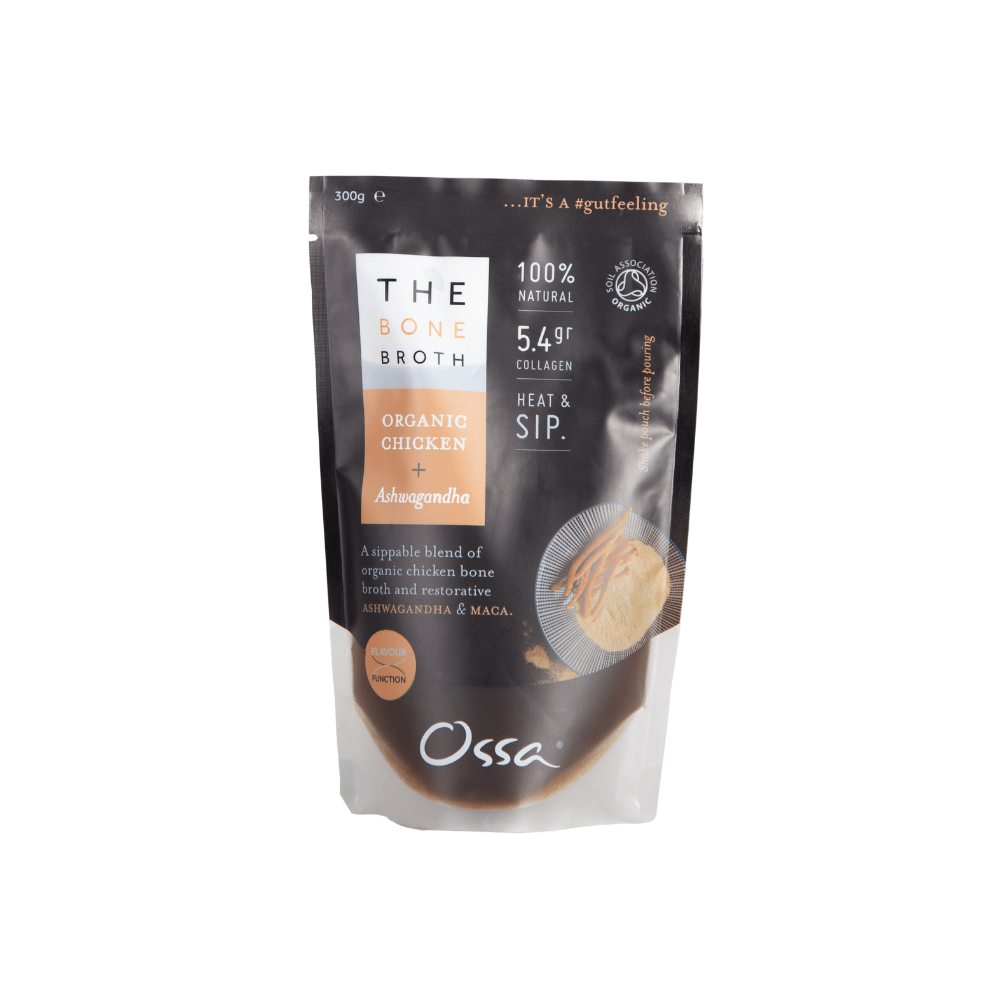
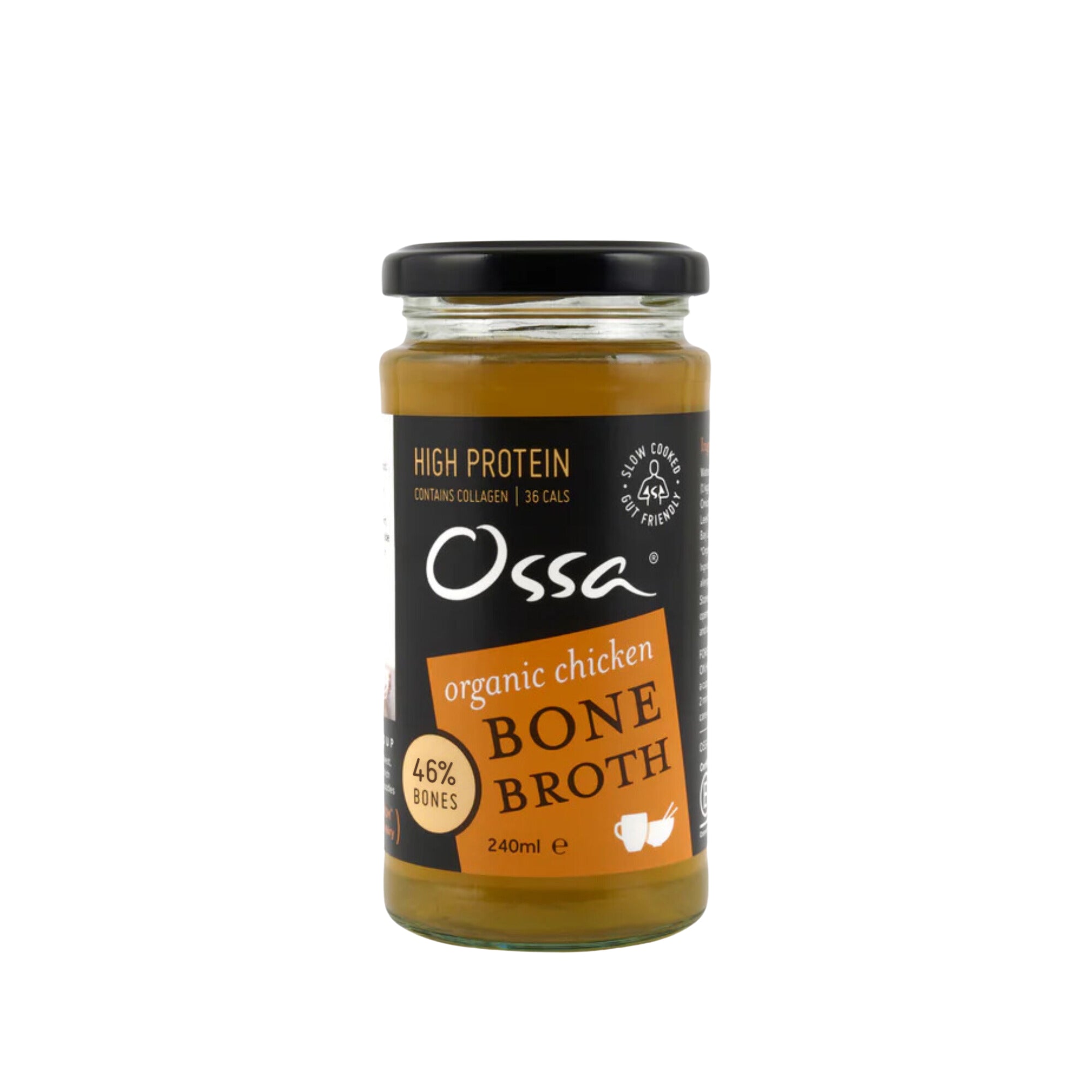
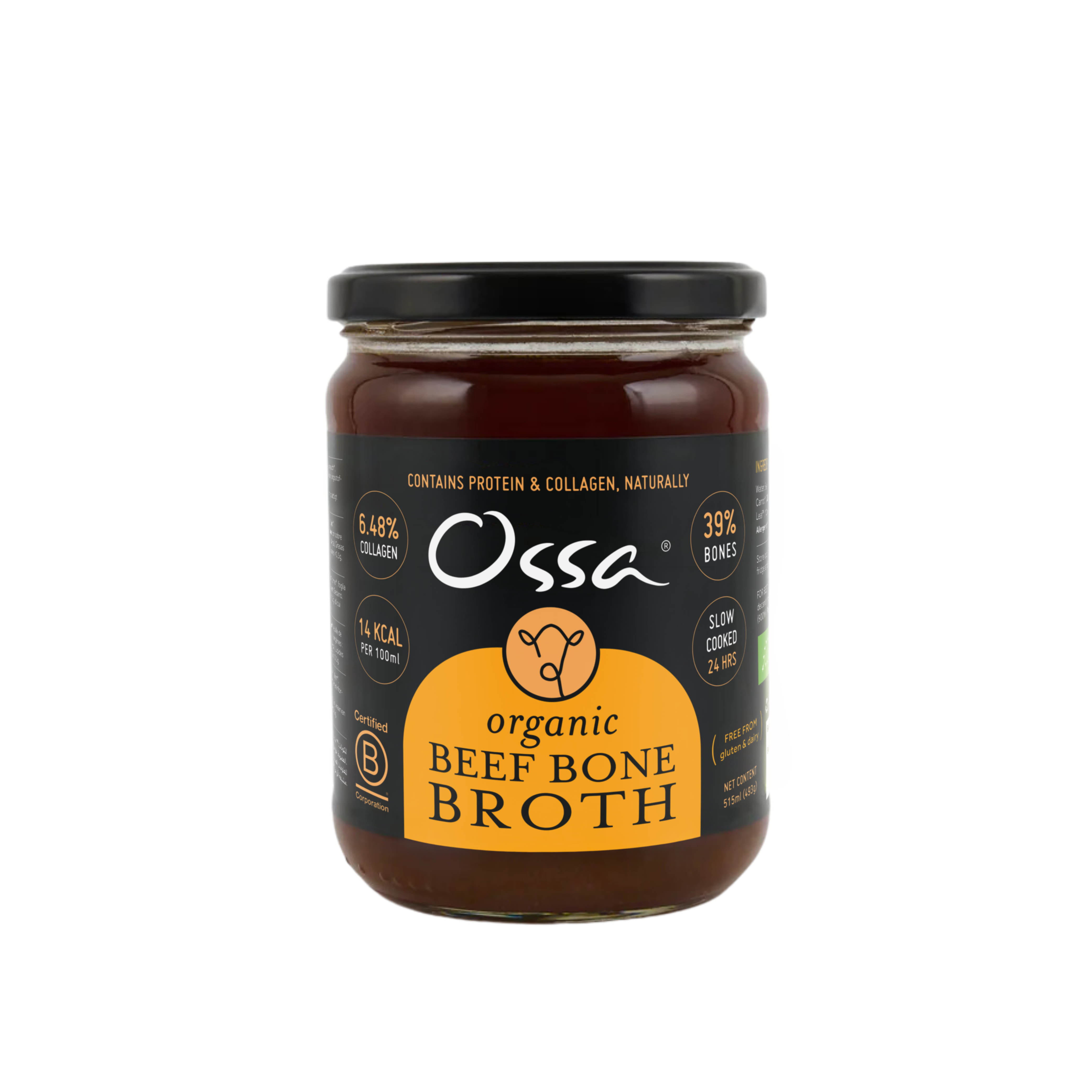
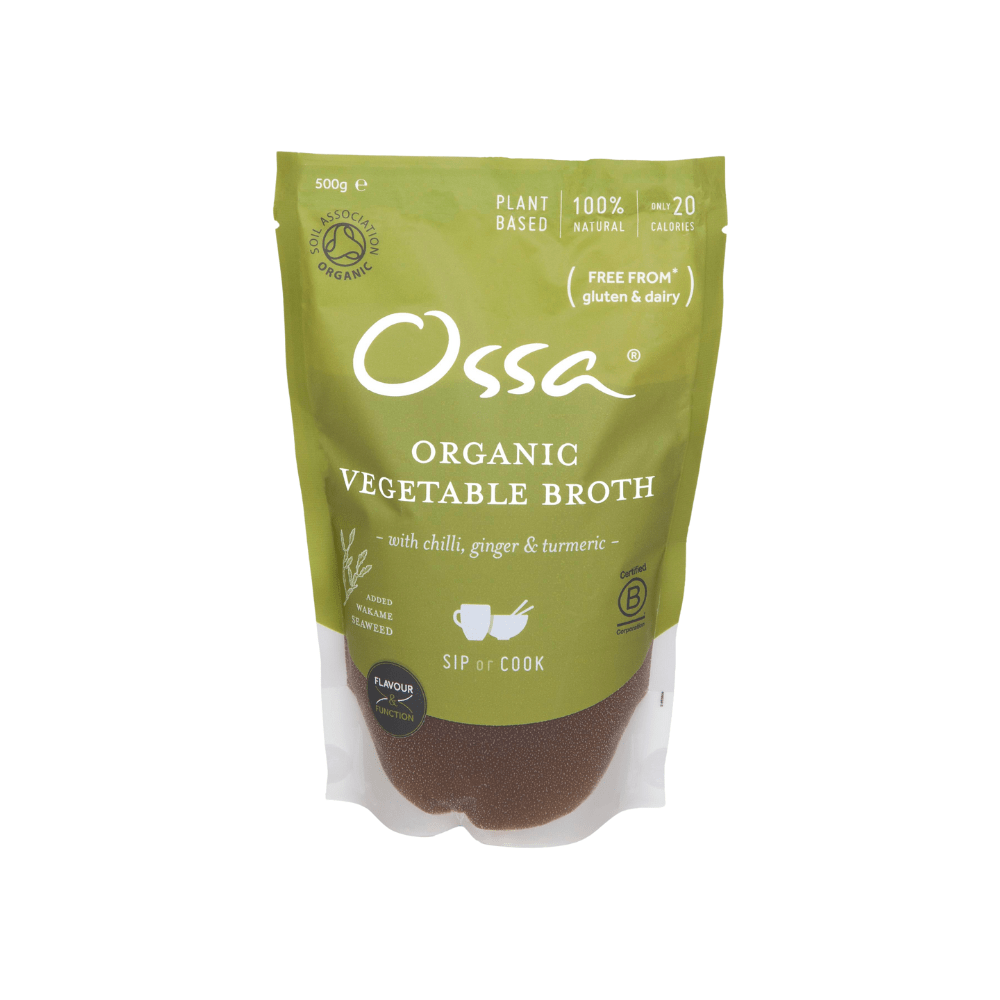
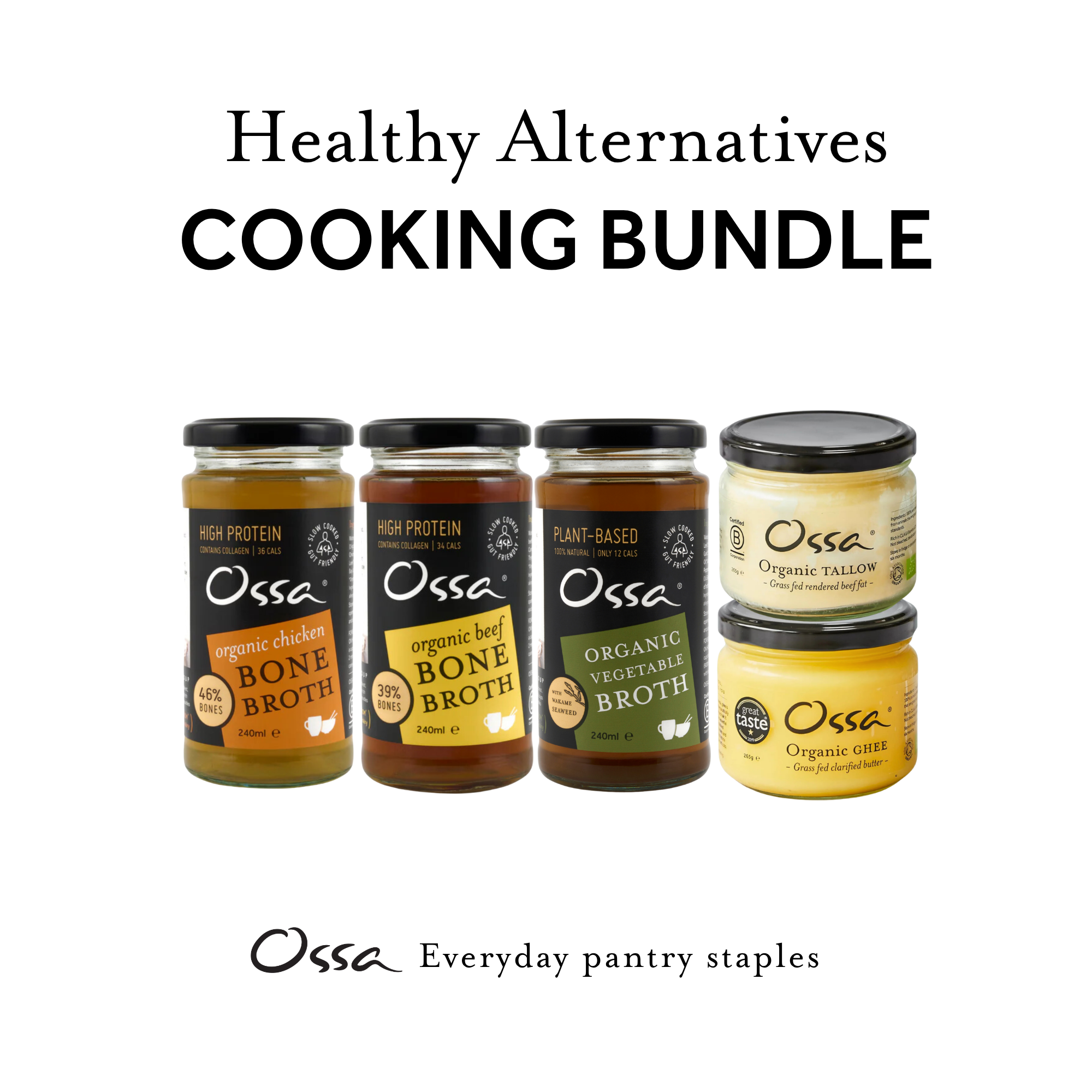
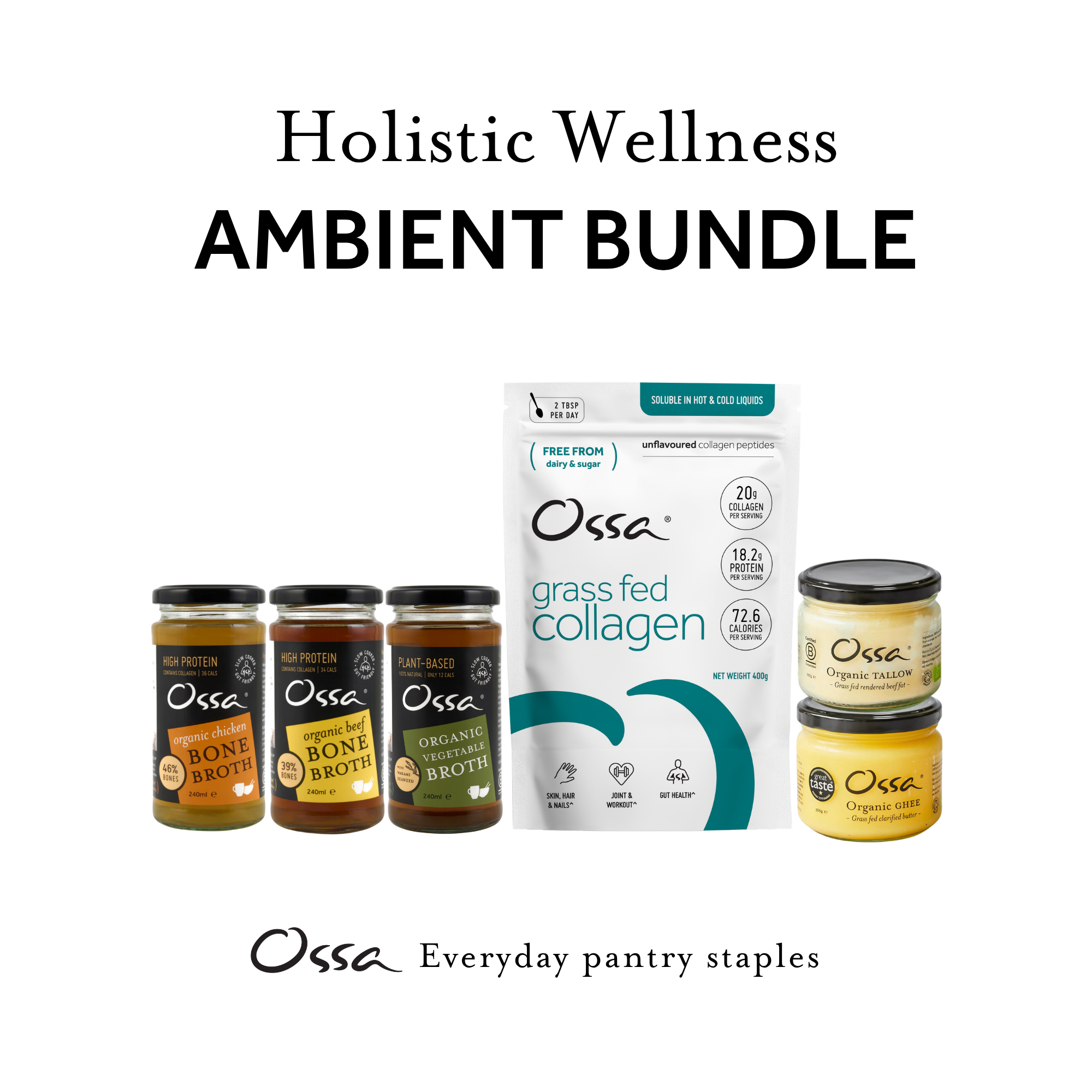
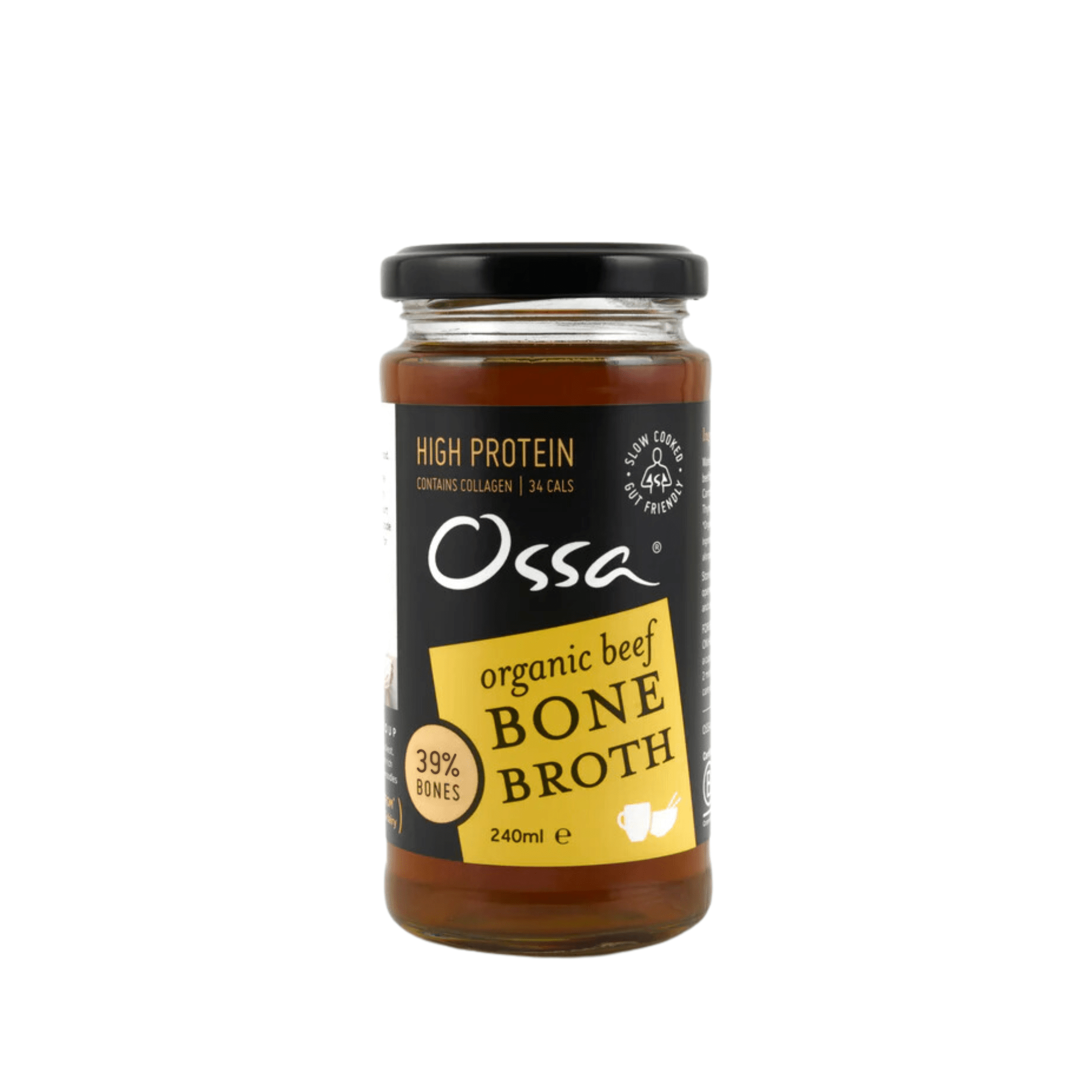
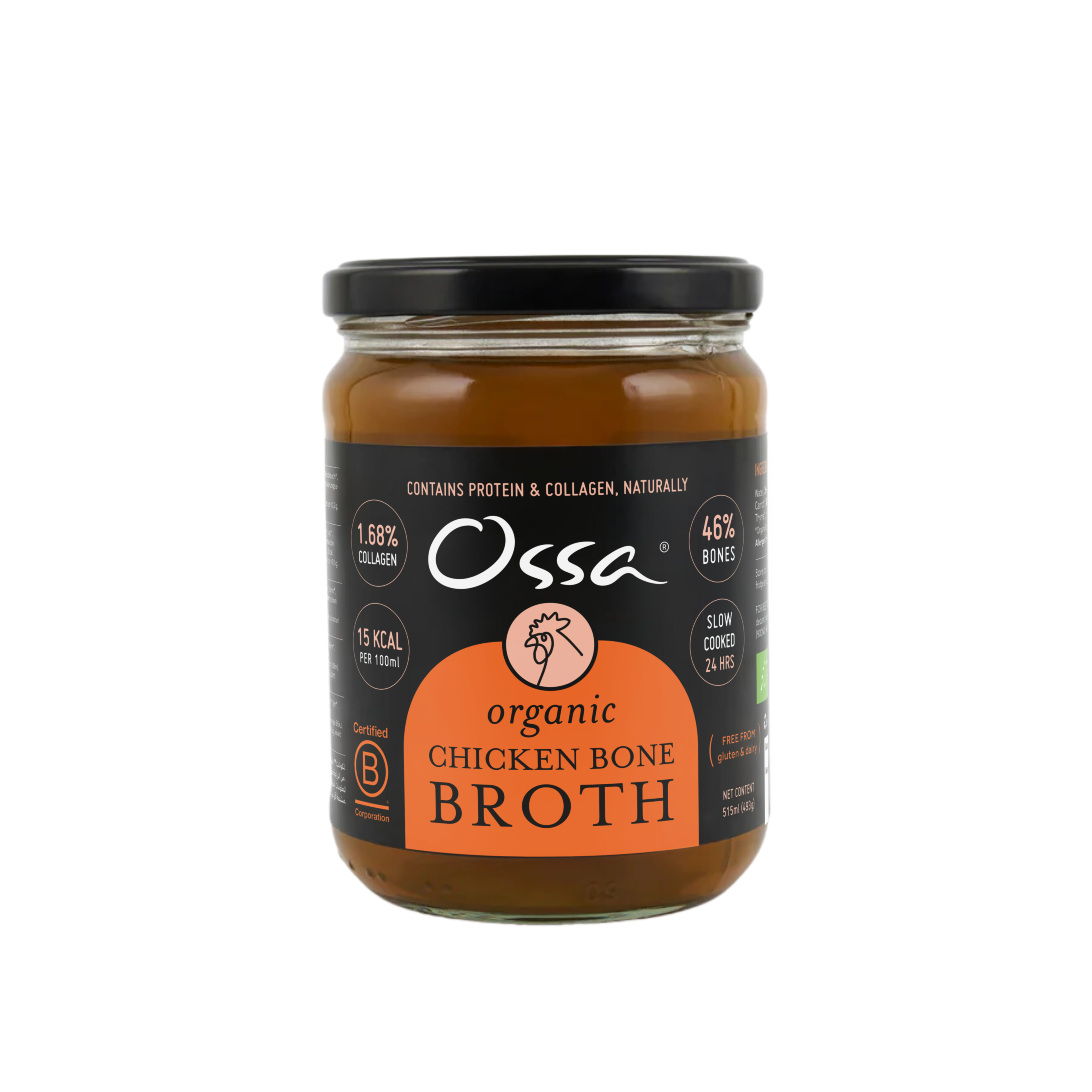
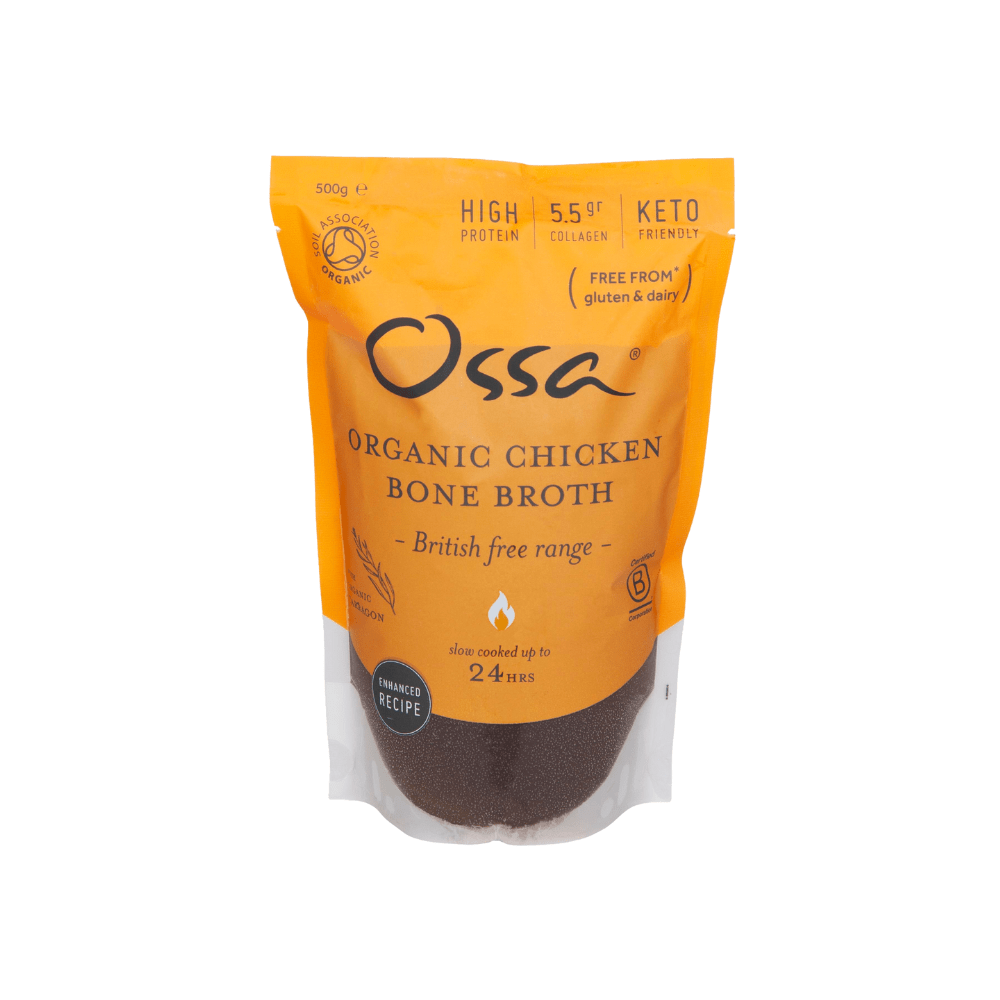
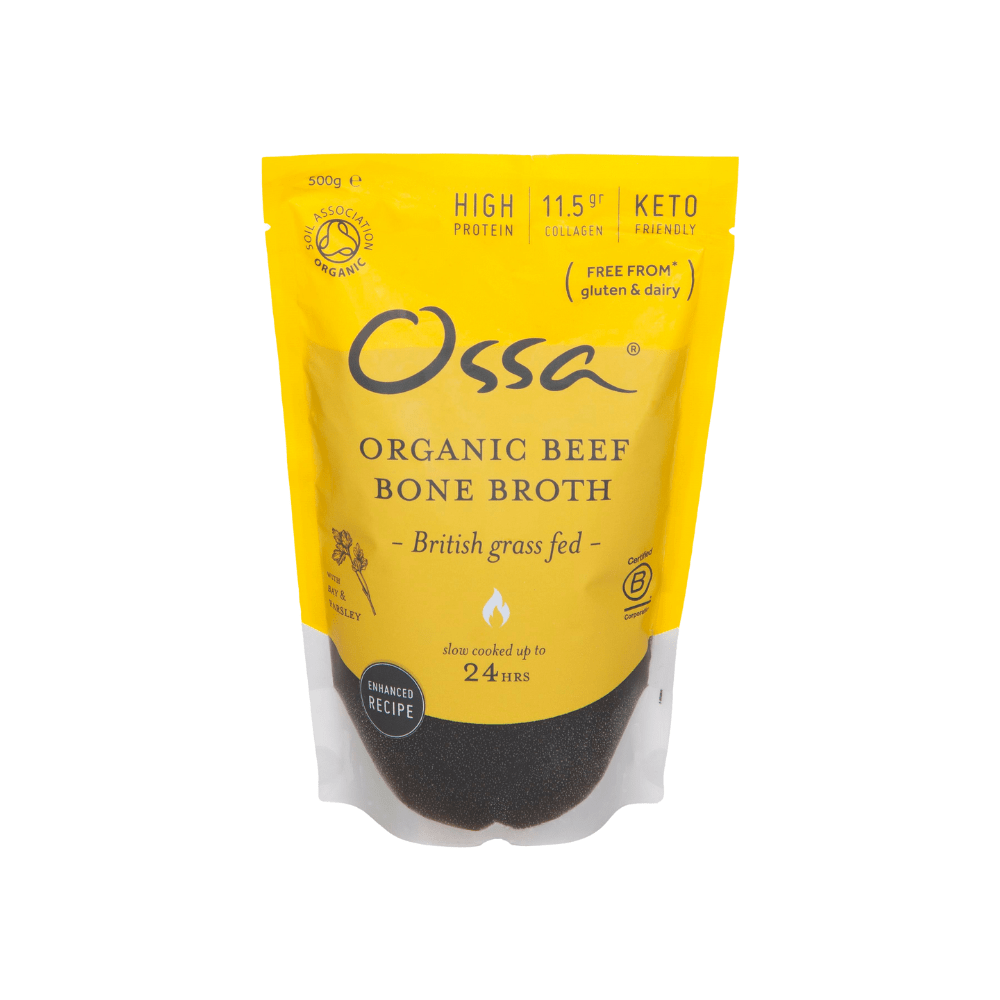
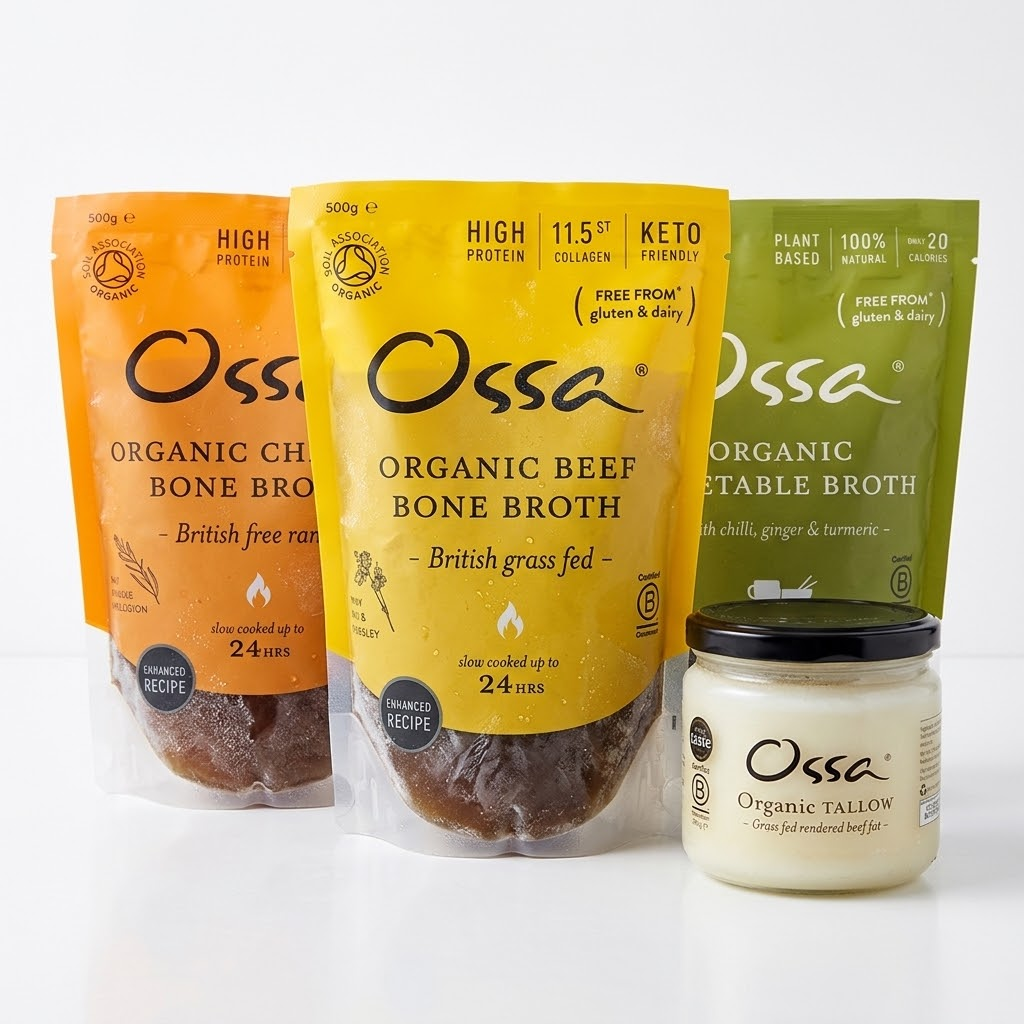
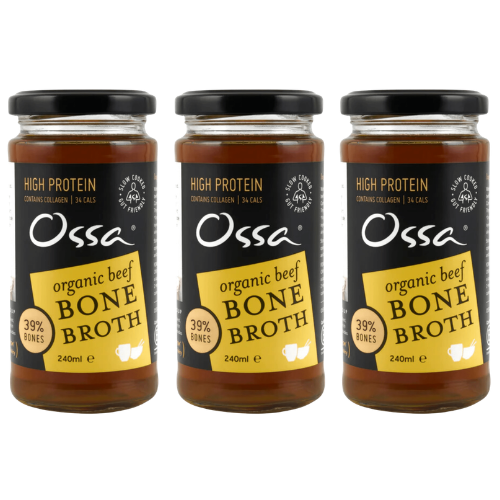
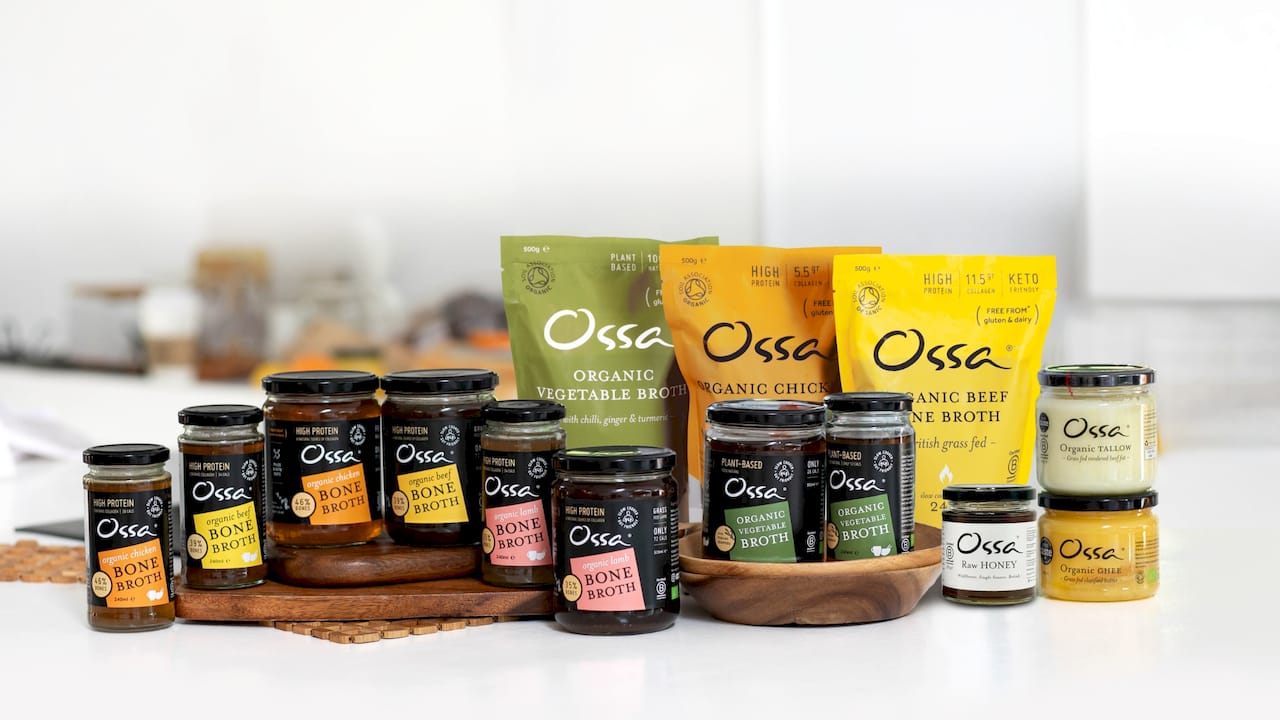
Ossa Organic produces bone broths made from certified organic ingredients, slow-cooked using traditional methods. Every product in the range carries Soil Association certification, which means the entire supply chain, from the farms supplying the bones to the finished product, has been independently verified. The organic beef bone broth and organic chicken bone broth are produced without artificial additives, preservatives, or shortcuts. For consumers who want to understand exactly what they are buying, Ossa Organic’s certification credentials are publicly available and independently audited. Genuine organic integrity is not a claim. It is a documented, inspected, and annually renewed standard.
FAQ
What is the definition of organic food integrity?
Organic food integrity is the assurance that a product labelled organic genuinely meets strict production, handling, and labelling standards throughout its entire supply chain. It requires at least 95% certified organic ingredients in multi-ingredient products and verified traceability from farm to consumer.
How does the organic certification process work?
Producers must complete a 36-month transition period free from prohibited substances, maintain an Organic System Plan, and pass annual on-site inspections by an accredited certifying body. Businesses with over $5,000 in annual organic sales are required to hold certification.
What is the difference between food safety and food integrity?
Food safety means a product will not harm you. Food integrity means the product is genuinely what it claims to be, with verified authenticity, ethical sourcing, and consistent quality. A product can be safe without being authentic.
How can you tell if an organic product has genuine integrity?
Look for the logo of an accredited certifying body, such as the Soil Association in the UK or the USDA Organic seal in the United States. These marks confirm that the product and its supply chain have been independently inspected and verified.
Is organic food worth it from a health perspective?
Studies show that organic food consumers have lower pesticide residue exposure than those eating conventionally produced food. Organic practices also support soil health and biodiversity, which creates long-term environmental benefits alongside the direct health advantages.
Recommended