


Cart
0
TL;DR:
- Organic ingredients eliminate synthetic chemicals that disrupt beneficial gut bacteria and inflammation. Consuming organic fermented foods, prebiotic fibers, and polyphenol-rich plants regularly enhances microbiome diversity. Certified organic foods support gut health as a daily standard, not just an occasional choice, leading to long-term benefits.
Organic ingredients are defined by the absence of synthetic pesticides, artificial fertilisers, and chemical additives that directly disrupt the gut microbiome. The connection between what you eat and how your digestive system functions is not abstract. 70% of immune activity is linked to the gut, which means the quality of food you consume shapes your body’s core defence system. Research from institutions including Stanford confirms that daily fermented foods increase microbiome diversity within 10 weeks. Understanding why organic ingredients matter for gut health starts with recognising that your gut bacteria respond directly to the chemical environment of the food you eat. Organic fermented foods, prebiotic fibre-rich plants, and polyphenol-rich produce form the three pillars of a gut-supportive organic diet.
Why do organic ingredients improve gut microbiome diversity?
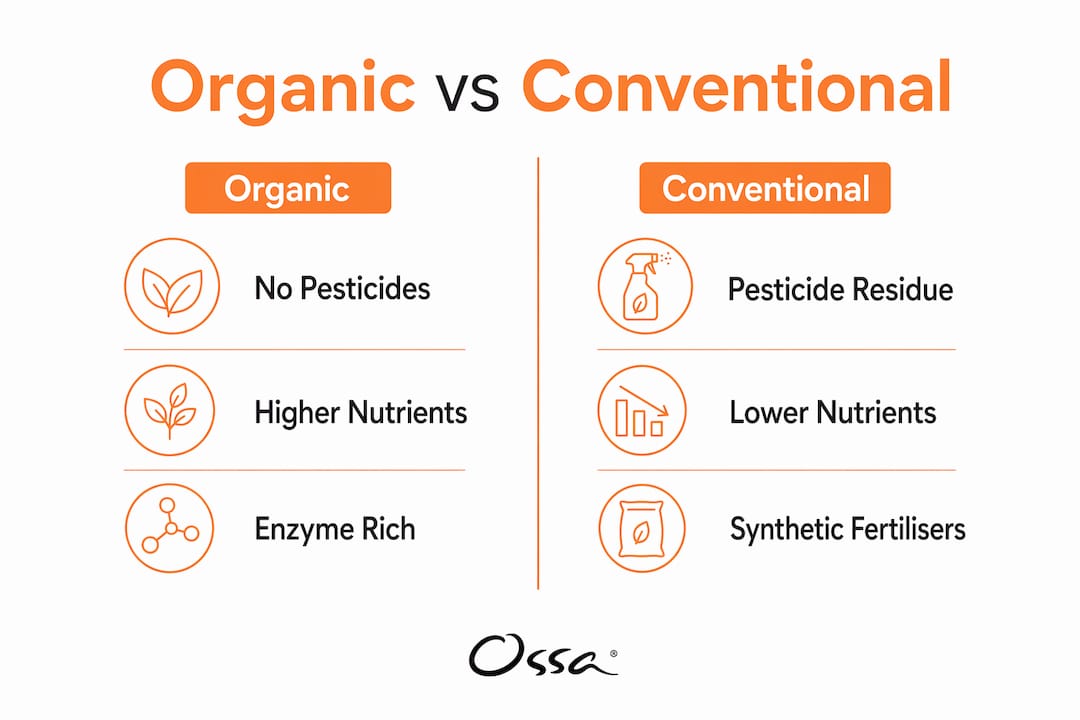
Organic ingredients improve gut microbiome diversity by removing the primary chemical threats to beneficial bacteria. Conventional farming relies on synthetic pesticides and fertilisers that leave residues on food. Those residues reach your gut and alter the bacterial balance, a condition known as dysbiosis, which is associated with inflammation, poor immunity, and digestive disorders.

Organic farming excludes synthetic pesticides linked to dysbiosis and gut inflammation. This matters because the gut microbiome is not a passive system. It actively regulates digestion, nutrient absorption, and immune signalling. When synthetic chemicals reduce microbial diversity, the downstream effects include increased intestinal permeability, chronic low-grade inflammation, and compromised immune responses.
Organic produce also delivers measurably higher levels of antioxidants and polyphenols. These compounds act as selective fuel for beneficial bacteria. 90–95% of polyphenols reach the colon intact, where they promote beneficial microbes including Akkermansia, Bifidobacterium, and Lactobacillus while suppressing harmful species. That is a significant functional advantage over conventionally grown produce with lower polyphenol concentrations.
Organic vegetables grown without synthetic urea develop richer nutrient profiles and live enzymes that benefit gut flora. The slower, natural growth pace creates denser prebiotic fibres. These fibres feed the bacteria that produce short-chain fatty acids (SCFAs), particularly butyrate, which fuels the colon lining and regulates inflammation.
| Factor | Organic produce | Conventional produce |
|---|---|---|
| Pesticide residues | Absent (certified) | Present on surface and absorbed |
| Polyphenol levels | Higher | Lower due to faster growth cycles |
| Prebiotic fibre density | Denser, slower growth | Variable, often lower |
| Impact on gut microbiome | Supports diversity | Associated with dysbiosis |
| Live enzyme content | Preserved | Reduced by synthetic inputs |
Pro Tip: When buying organic, look for certified organic labelling from bodies such as the Soil Association in the UK. Certification is the only guarantee that synthetic chemicals are absent. The word “natural” on a label carries no such legal standard.
What are the best organic foods for gut health?
The best organic gut health foods fall into three categories: fermented foods, prebiotic fibre sources, and polyphenol-rich plants. Each category works through a distinct mechanism, and combining all three produces the strongest results for microbiome diversity.
Fermented organic foods
Fermented foods are the most consistent performers in clinical trials for gut health. Fermented foods contain hundreds of bacterial species, while standard probiotic supplements typically contain only 1–15 strains. That diversity matters because a resilient microbiome depends on variety, not just volume.
The organic gut health foods list for fermented options includes:
-
Organic kefir (1 cup daily): delivers live bacterial cultures and is better tolerated than many other dairy ferments due to partial lactose breakdown during fermentation
-
Organic sauerkraut (2–3 tablespoons daily): raw, unpasteurised versions preserve live bacteria; pasteurised versions do not
-
Organic live yoghurt (150–200g daily): choose varieties with multiple named bacterial strains on the label
-
Organic miso: a fermented soya paste that adds both probiotic bacteria and prebiotic compounds in a single ingredient
-
Organic tempeh: a fermented soya product with a dense protein profile and active bacterial cultures
Prebiotic fibre sources
Prebiotic fibres ferment into SCFAs like butyrate, which fuel the colon lining and regulate inflammation. Butyrate is the primary energy source for colonocytes, the cells lining your large intestine. Without adequate butyrate production, the gut lining weakens and permeability increases.
Organic prebiotic foods to include daily:
-
Organic oats (half a cup): beta-glucan fibre feeds Bifidobacterium and Lactobacillus species directly
-
Organic garlic and onions: contain inulin and fructooligosaccharides, two of the most studied prebiotic compounds
-
Organic legumes (lentils, chickpeas, black beans): high in resistant starch, which bypasses digestion and feeds colonic bacteria
-
Organic Jerusalem artichoke: one of the highest natural sources of inulin available
Polyphenol-rich organic plants
Recommended daily servings of polyphenol-rich plants include half a cup to one cup of berries, which are proven to boost beneficial gut metabolites including butyrate. Organic berries, in particular, carry higher polyphenol loads than conventionally grown equivalents because they are not pushed to grow rapidly with synthetic inputs.
Other polyphenol-rich organic options include green tea, dark chocolate (85% cocoa minimum), extra virgin olive oil, and red cabbage. Each selectively feeds Akkermansia muciniphila, a bacterium strongly associated with a healthy gut lining and metabolic health.
Pro Tip: Pair a polyphenol-rich food with a prebiotic fibre source at the same meal. For example, add organic blueberries to organic oat porridge. The polyphenols and fibres work synergistically to feed a broader range of beneficial bacteria than either food achieves alone.
Are there nuances or precautions with organic foods for gut health?
Organic food is not universally suitable in the same quantities for every individual. Gut health and nutrition are personal, and some people experience adverse reactions to foods that are otherwise considered beneficial.
The most common situation involves individuals with irritable bowel syndrome (IBS) or those following a low-FODMAP protocol. Some people with IBS require cautious intake of certain prebiotic fibres and fermented foods to avoid symptom flares. Garlic, onions, and legumes are high-FODMAP foods that can trigger bloating, cramping, and diarrhoea in sensitive individuals, even in organic form.
The following approach helps manage this:
-
Start with low-FODMAP organic fermented options. Organic kefir and organic miso are lower in FODMAPs than sauerkraut or kombucha and are better tolerated as a starting point for sensitive digestive systems.
-
Introduce prebiotic fibres gradually. Begin with half a serving of oats or a small portion of cooked legumes and increase over two to three weeks. Rapid increases in fibre intake cause gas and discomfort even in healthy guts.
-
Distinguish between certified organic and “natural” labelling. Certified organic certification is the only standard that prohibits synthetic pesticides and fertilisers. Products labelled “natural” carry no such legal requirement and may still contain chemical residues that harm gut bacteria.
-
Prioritise consistency over variety. Adhering to one category of gut-supportive food consistently for at least six weeks improves microbiome diversity more than frequently rotating between different food types. Stability allows bacterial colonies to establish and thrive.
-
Seek guidance for persistent symptoms. If digestive symptoms worsen after introducing organic fermented or fibre-rich foods, consult a registered dietitian before continuing. Some individuals have underlying conditions that require clinical assessment before dietary changes.
A common misconception is that more variety always produces better results. The evidence does not support this. Gut healing requires long-term habits, not short-term cleanses. Organic produce is most effective as a daily dietary standard, not a periodic intervention.
How to integrate organic ingredients into daily habits for gut health
Building a sustainable organic diet for gut health does not require a complete overhaul of your eating habits. The most effective approach is incremental and consistent.
Build a daily organic foundation
Start with three non-negotiable daily habits:
-
One serving of an organic fermented food (kefir at breakfast, miso in a soup at lunch, or live yoghurt as a snack)
-
One serving of an organic prebiotic fibre source (oats, garlic in cooking, or a portion of legumes)
-
One serving of an organic polyphenol-rich plant (berries, green tea, or extra virgin olive oil)
These three inputs cover all the primary mechanisms through which organic ingredients support gut microbiome diversity. They are also practical enough to maintain without significant meal planning.
Source certified organic produce with confidence
Knowing how to find certified organic produce removes the guesswork from shopping. In the UK, the Soil Association logo is the most recognised certification mark. In Europe, the EU organic leaf logo applies. Both guarantee the absence of synthetic pesticides and fertilisers. Farmers’ markets, organic box delivery schemes, and specialist retailers are reliable sources. Many supermarkets now carry certified organic ranges, though the selection varies significantly by store.
Practical meal pairings for gut repair
| Meal | Organic ingredients | Gut health benefit |
|---|---|---|
| Breakfast | Oat porridge with blueberries and kefir | Prebiotic fibre, polyphenols, and live bacteria in one meal |
| Lunch | Lentil soup with garlic and miso broth | SCFAs from legumes, inulin from garlic, probiotics from miso |
| Dinner | Roasted vegetables with olive oil and live yoghurt dressing | Polyphenols, healthy fats, and bacterial diversity |
| Snack | Organic dark chocolate and green tea | Polyphenols that selectively feed Akkermansia |
For those who want a structured starting point, the 14 Day Gut Reset from Ossa Organic provides a guided programme built around these principles. It removes the decision fatigue of building a gut-supportive diet from scratch.
Organic bone broth is one of the most practical additions to a daily gut health routine. The benefits of organic bone broth for gut health include amino acid support for the gut lining, particularly glutamine and glycine, which maintain intestinal integrity and reduce permeability. It is a simple, low-effort addition that fits into any meal.
Key takeaways
Organic ingredients improve gut health by eliminating chemical disruption to the microbiome and delivering higher concentrations of polyphenols, prebiotic fibres, and live bacterial cultures that conventional produce cannot match.
| Point | Details |
|---|---|
| Organic reduces chemical harm | Certified organic food eliminates synthetic pesticides that cause dysbiosis and gut inflammation. |
| Polyphenols reach the colon | 90–95% of polyphenols from organic plants reach the colon, feeding beneficial bacteria directly. |
| Fermented foods outperform supplements | Organic fermented foods contain hundreds of bacterial strains versus 1–15 in most probiotic supplements. |
| Consistency beats variety | Sticking to one category of gut-supportive food for six weeks produces better microbiome gains than frequent rotation. |
| Certification is the only guarantee | “Natural” labelling is unreliable; only certified organic standards prohibit synthetic chemical inputs. |
The case for treating organic food as a health standard, not a lifestyle choice
At Ossa Organic, we have watched the conversation around gut health shift considerably over the past five years. When we started, bone broth was considered niche. Now the science is mainstream, but the practical advice has not always kept pace.
The most common mistake I see is treating organic food as an occasional upgrade rather than a baseline standard. People will spend money on probiotic supplements containing 10 bacterial strains and then eat conventionally grown produce that actively undermines the bacteria they are trying to cultivate. The logic does not hold. If the food itself is the problem, supplementing around it produces limited results.
The second mistake is expecting short-term interventions to produce lasting change. A two-week cleanse using organic ingredients will not rebuild a microbiome that has been compromised over years. What works is the unglamorous reality of daily consistency: organic kefir at breakfast, garlic in your cooking, berries with your oats. These are not dramatic changes. They are the kind of steady habits that compound over months and years into measurable improvements in digestion, immunity, and energy.
The third point, and the one I feel most strongly about, is that certified organic food is not a luxury. It is a medical decision. The role of amino acids in bone broth for gut repair is well documented. The impact of synthetic pesticides on gut bacteria is well documented. Choosing organic is choosing to remove a known source of harm from your diet. That is not a lifestyle preference. It is a straightforward health decision that anyone can make, regardless of how they eat otherwise.
Start where you are. Add one organic fermented food. Keep it consistent for six weeks. The evidence is clear on what happens next.
— Ossa Organic
Support your gut with Ossa Organic
Ossa Organic’s bone broths are made from certified organic, pasture-raised bones, slow-cooked to preserve the amino acids and collagen that support gut lining integrity. The Organic Beef Bone Broth provides glutamine and glycine in a form the gut absorbs readily. The Organic Chicken Bone Broth is a lighter option with the same gut-repair amino acid profile. Both are free from synthetic additives and designed to fit into a daily gut health routine without effort. For a complete starting point, the Gut Health Bundle brings together Ossa Organic’s core products in a single, practical package.
FAQ
What makes organic ingredients better for gut health?
Organic ingredients exclude synthetic pesticides and fertilisers that disrupt gut bacterial diversity. They also contain higher levels of polyphenols and prebiotic fibres, which directly feed beneficial gut bacteria.
How long does it take to see gut health improvements from organic food?
Research shows that daily fermented food consumption increases microbiome diversity within 10 weeks. Consistent intake of a single category of gut-supportive food for at least six weeks produces measurable microbiome gains.
Is “natural” food the same as certified organic for gut health?
No. “Natural” labelling carries no legal standard and does not prohibit synthetic chemical use. Only certified organic labels, such as the Soil Association in the UK, guarantee the absence of synthetic pesticides and fertilisers.
Which organic fermented food is best for sensitive digestive systems?
Organic kefir and organic miso are the most consistently tolerated options for individuals with IBS or FODMAP sensitivities. Both are lower in fermentable carbohydrates than sauerkraut or kombucha and are less likely to trigger symptoms.
Can organic bone broth support gut health?
Organic bone broth provides glutamine and glycine, two amino acids that maintain gut lining integrity and reduce intestinal permeability. It is a practical daily addition that complements fermented foods and prebiotic fibre sources.



Ganpati Scientifics —
This is an insightful article on why organic ingredients matter for gut health. The focus on certified organic foods, prebiotic-rich ingredients, and healthy dietary choices highlights the importance of choosing quality food products. As a Best organic food manufacturer company in India, we believe in providing pure, natural, and quality organic food products for healthier everyday choices.
Explore our organic products: https://www.indianfarmorganics.com/
Great information for anyone looking to understand the role of organic ingredients in a balanced lifestyle!