Organic ingredients
•
Naturally nourishing
•
Made with care
We've sent you an email with a link to update your password.
Reset your password
We will send you an email to reset your password.
Anti-Inflammatory Diet Plan: A 7-Day UK Guide
Ralph Barrozo
0 comments
An anti-inflammatory diet plan is not a single official protocol. It is a way of eating built around whole, minimally processed food: plenty of vegetables and fruit, pulses, nuts and seeds, wholegrains, oily fish and olive oil, with far less ultra-processed food, added sugar and refined oil. The pattern with the strongest research behind it is the Mediterranean-style diet. This guide explains what that looks like in a British shopping basket, gives you a full seven-day menu, and shows how to change your habits without turning your kitchen upside down.
Ossa Organic
Make Whole-Food Choices Easier
Ossa Organic makes natural foods using organic ingredients and slow cooking, for those looking to move away from processed food.
No official “anti-inflammatory diet” exists. The best-supported approach is a Mediterranean-style pattern of whole foods, not a list of miracle ingredients.
Build each meal around vegetables, fruit, pulses, wholegrains, oily fish, nuts, seeds and olive oil. Cut back on ultra-processed foods, sugary drinks, processed meat and deep-fried food.
Change gradually. Use the add, subtract, swap method and allow months, not days, to judge how you feel.
Diets sold as cures for a condition are not supported by evidence. If you have a diagnosed condition, speak to your GP or a registered dietitian first.
Inflammation is the body’s normal response to injury and infection. The concern in diet research is chronic, low-grade inflammation that lingers in the background. Food is one of several influences on it, alongside sleep, activity, smoking, alcohol and body weight.
Because there is no single protocol, “anti-inflammatory” is best read as a description of a pattern. Systematic reviews keep pointing to the Mediterranean diet as the most evidence-supported version. One meta-analysis of 17 randomised controlled trials, covering around 2,300 people, found that Mediterranean-style eating was linked with lower levels of inflammatory markers, including hs-CRP and IL-6, and with better blood vessel function.
That pattern is defined by:
vegetables and fruit at every meal
wholegrains, pulses, nuts and seeds
olive oil as the main added fat
fish, with moderate amounts of poultry, eggs and fermented dairy
very little processed meat, refined carbohydrate or sugary food
Researchers stress that the benefit appears to come from the whole pattern, the mix of fibre and plant compounds working together, rather than from any one “superfood”. Turmeric, ginger and garlic are worth cooking with, but they do not offset a diet built on packaged snacks.
Foods to build your plan around
You do not need specialist products to eat this way. Most of what follows is on the shelves of any UK supermarket or greengrocer.
Vegetables and fruit
Aim for half of each plate to be vegetables and fruit. Variety matters more than any one choice, so rotate colours through the week: leafy greens, peppers, tomatoes, beetroot, carrots, onions, garlic, leeks, berries, apples, citrus. Frozen vegetables and fruit are a sensible, affordable option and are easy to keep in stock.
Pulses and wholegrains
Lentils, chickpeas, beans, oats, brown rice, bulgur wheat, barley and wholemeal bread supply fibre. UK government guidance sets the adult target at 30g of fibre a day, and average intakes in Britain are consistently below it. Pulses are one of the cheapest ways to close the gap.
Oily fish
Salmon, mackerel, sardines, trout and herring provide omega-3 fats. Tinned sardines and mackerel are inexpensive and keep well. Frozen salmon fillets are a practical alternative to fresh.
Nuts, seeds and olive oil
A small handful of nuts, a spoonful of seeds on porridge, and extra virgin olive oil for dressings and gentle cooking are the core healthy fats in this pattern.
Herbs, spices and tea
Garlic, ginger, turmeric, rosemary, oregano and black pepper add flavour without sugar or salt. Green tea, herbal tea and coffee in moderation fit comfortably into the plan. Water should be your main drink.
Traditional, slow-cooked foods
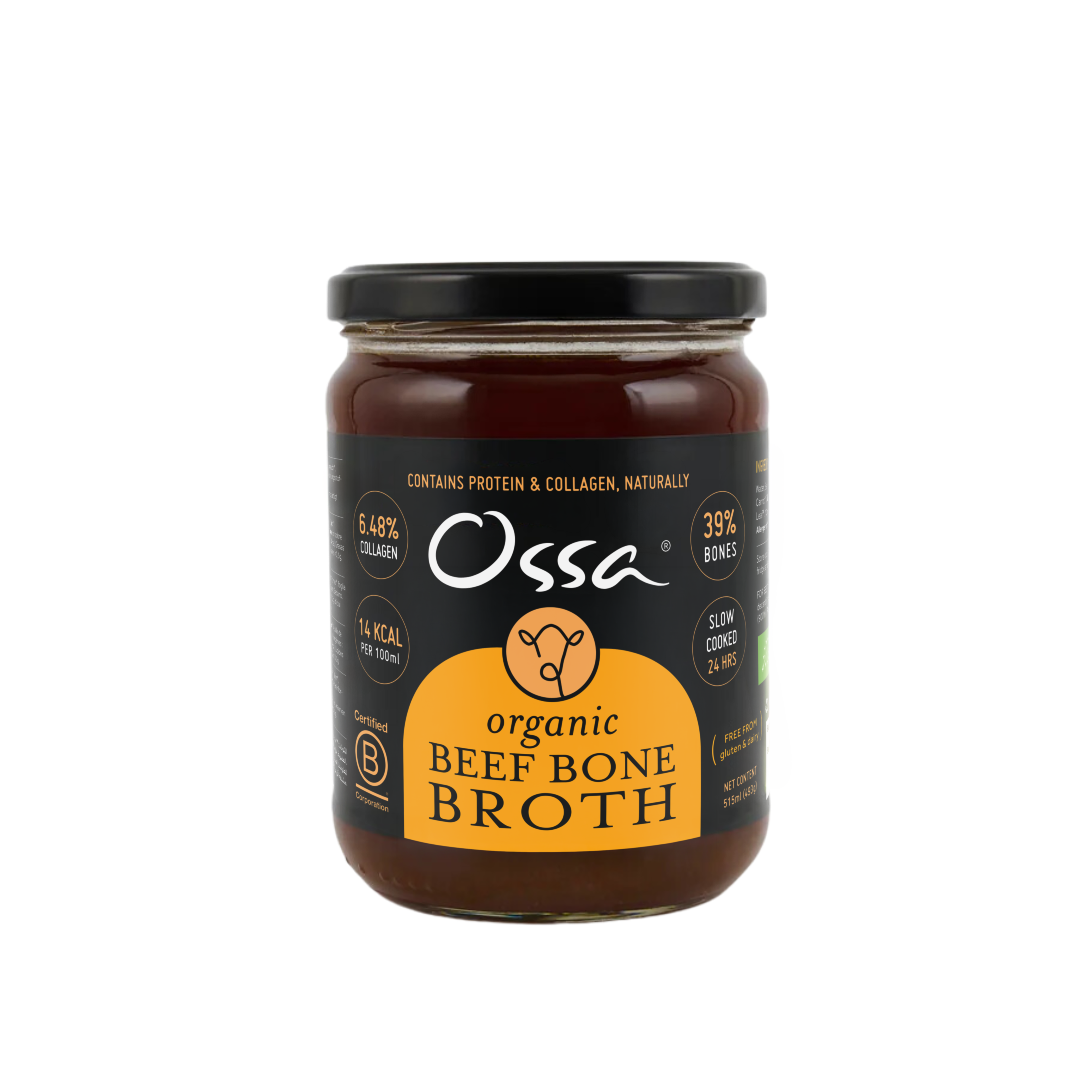
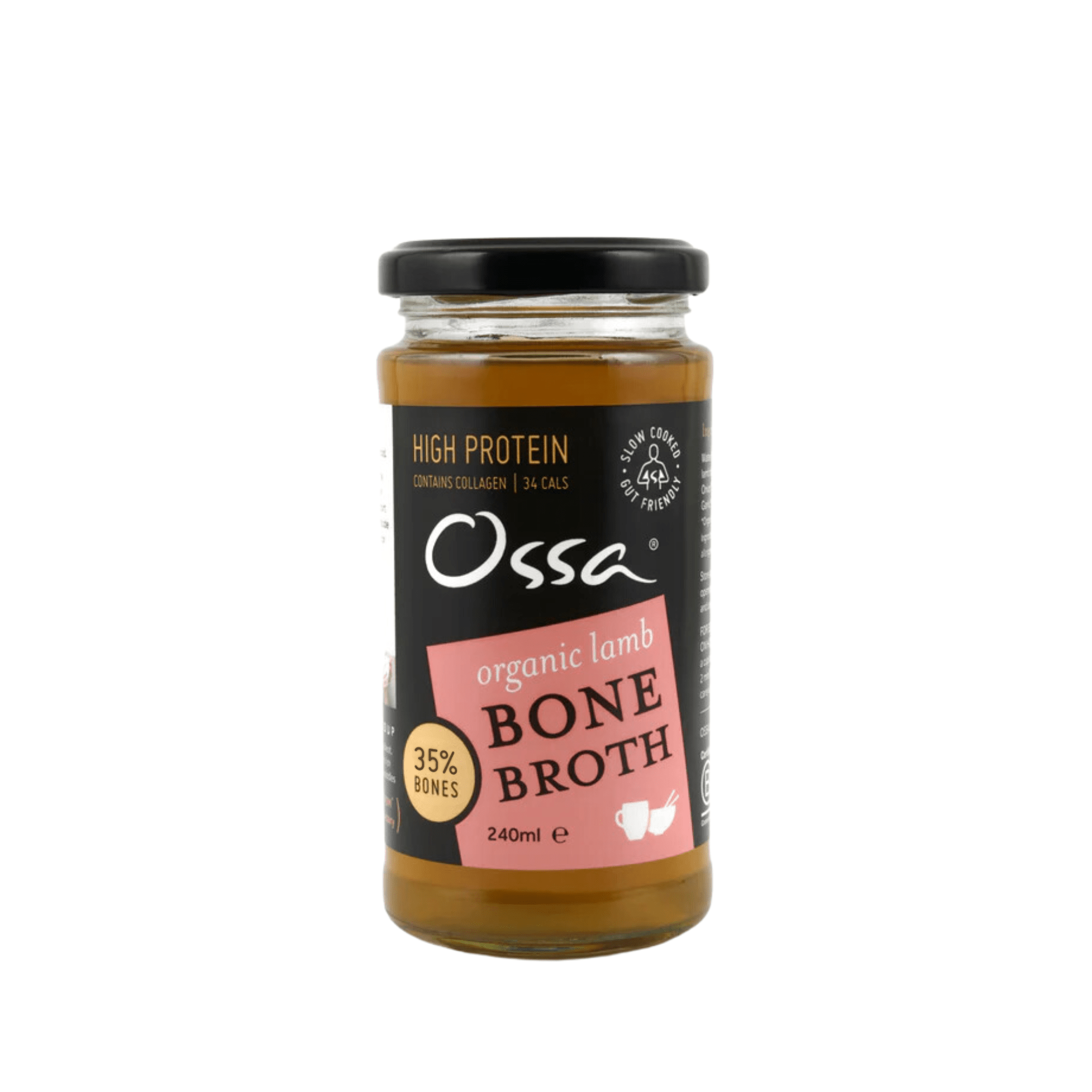
If you eat meat and animal products, quality and cooking method are worth thinking about. Home-made stock or bone broth, cooked slowly from good bones and vegetables, can be a warming base for soups, stews and risottos. It is a food, not a treatment: it adds flavour and variety, and it sits alongside the vegetables, pulses and fish above rather than replacing them.
What to cut back on
The aim is not to ban foods but to shift the balance. The research and UK guidance point in one direction: reduce ultra-processed food, and in particular products high in added sugar, salt and refined oils.
Cut back on
Why it matters
A simple alternative
Sugary drinks and sweets
Added sugar with little nutritional value
Water, sparkling water with lemon, herbal tea
Processed meats (bacon, sausages, hot dogs)
UK advice is to keep red and processed meat to no more than 70g a day on average
Roast chicken, eggs, fish, lentils
Commercial cakes, biscuits and pastries
Refined flour, sugar and often refined fats
Fruit, oatcakes with nut butter, a square of dark chocolate
White bread, white rice, refined cereal
Low fibre
Wholemeal bread, brown rice, porridge oats
Deep-fried food and takeaways
High in refined oil and salt
Oven-baked chips, home-cooked versions of favourites
Ready meals and sauces with long ingredient lists
Hidden sugar, salt and refined oils
Jarred passata, herbs, spices and your own sauces
Reading labels
Hidden ingredients are where most people slip. Trail mixes, granola bars, flavoured yoghurts and cooking sauces can be dominated by sugar, salt or refined oil. Check the ingredients list: they appear in order of weight, so if sugar, salt or a refined oil is near the top, the product is not doing what its front-of-pack suggests. A good rule is that you should recognise most ingredients as things you could buy in a shop and cook with.
A 7-day anti-inflammatory meal plan
This menu follows a Mediterranean-style pattern and uses ordinary UK ingredients. Portions are for a typical adult; adjust for your appetite, activity level and any medical advice you have been given. As a rough guide, a 2,000-calorie day built this way supplies around 105g of protein, 245g of carbohydrate and 78g of fat.
Day
Breakfast
Lunch
Dinner
Snacks
Monday
Overnight oats with berries and chia seeds
Lentil and roasted vegetable salad with olive oil
Baked salmon, roasted broccoli and new potatoes
Apple and a few almonds
Tuesday
Porridge with sliced banana and walnuts
Leftover salmon in a wholemeal wrap with spinach
Chickpea and tomato stew with brown rice
Carrot sticks and hummus
Wednesday
Natural yoghurt with berries and pumpkin seeds
Minestrone with beans and a slice of wholemeal bread
Herby chicken with bulgur wheat and green beans
Pear and a small handful of walnuts
Thursday
Scrambled eggs on wholemeal toast with tomatoes and spinach
Mackerel, beetroot and new potato salad
Vegetable and lentil curry with brown rice
Oatcakes with nut butter
Friday
Overnight oats with grated apple and cinnamon
Chargrilled vegetable salad with feta and chickpeas
Grilled sardines, tomato salad and wholemeal pitta
Orange and a few hazelnuts
Saturday
Vegetable omelette with a side of fruit
Hummus bowl with roasted peppers, cucumber, olives and quinoa
Chicken and vegetable soup made with home-made stock, with bread
Berries and natural yoghurt
Sunday
Porridge with stewed plums and seeds
Bean and vegetable stew
Roast chicken with a tray of root vegetables and greens
Cut vegetables with a yoghurt and herb dip
How to make the plan work in practice
Cook once, eat twice. Make a double batch of lentils, soup or roast vegetables and use them the next day. Several lunches above are deliberately built from the previous evening’s dinner.
Use tinned and frozen. Tinned pulses, tinned fish, frozen berries and frozen vegetables are all fine, and make the plan cheaper and faster.
Keep drinks simple. Water most of the time, with tea and coffee as you like them. Aim for roughly six to eight glasses of fluid a day.
Vegetarian or vegan? Swap fish and chicken for beans, lentils, tofu, eggs or dairy as suits you. A well-planned plant-based diet also reduces ultra-processed food; if you cut out whole food groups, consider checking your intake of B12, iron, iodine and omega-3 with a dietitian.
Shop the edges first. Start with vegetables, fruit, fish and pulses, then fill in the rest. It is hard to overfill a basket with processed food when the basics are already in it.
Making the change: add, subtract, swap
Drastic overhauls rarely last. A steadier approach has a better chance of becoming your normal way of eating, and nutrition professionals often suggest allowing three to six months for the changes to settle in and for any improvement to become noticeable.
The add, subtract, swap method keeps things manageable:
Add one more portion of vegetables or pulses to your main meal each day.
Subtract the most obvious ultra-processed items first: sugary drinks, packaged biscuits, processed meats.
Swap habitual choices for better versions. Crisps become raw vegetables with hummus. White pasta becomes wholewheat. A flavoured yoghurt becomes natural yoghurt with fruit.
Pick one change a week. By the end of a month, you have four new habits and have not had to rely on willpower for a total overhaul.
A sample first month
Week one: swap sugary drinks for water and herbal tea, and add a portion of vegetables to lunch.
Week two: replace white bread and rice with wholegrain versions and eat oily fish once.
Week three: try two meat-free dinners built around lentils, chickpeas or beans, and start reading ingredients lists on sauces and snacks.
Week four: cook with olive oil more often, swap processed snack bars for fruit and nuts, and plan your week’s dinners before you shop.
Where the gut comes in
The gut microbiome, the community of bacteria living in your large intestine, takes part in regulating immune and inflammatory responses. These bacteria feed on fibre that you cannot digest yourself, and in doing so produce compounds that influence inflammation. A diet low in processed food and high in varied plant fibre supports a diverse microbiome.
In practical terms, that means the same foods already in your plan: oats, pulses, onions, garlic, leeks, bananas, vegetables, fruit, nuts and seeds. Fermented foods such as natural yoghurt, kefir and sauerkraut can add variety. Build up fibre gradually and drink enough fluid, as a sudden jump can cause bloating and wind.
If you have a bowel condition
Individual tolerance varies widely. If you have inflammatory bowel disease, for example, insoluble fibre can aggravate symptoms during a flare, while soluble fibre is often better tolerated. NHS dietetic guidance suggests that cooking, peeling and de-seeding fruit and vegetables is a practical way to reduce insoluble fibre during these periods. If you have Crohn’s disease, ulcerative colitis, coeliac disease or IBS, ask your GP for a referral to a registered dietitian before changing your diet substantially. The general plan in this article is not a substitute for that advice.
When to be cautious
Anti-inflammatory eating is a sound, general approach to a healthier diet. It is not a cure.
Be wary of claims. NHS guidance on Long Covid is plain that there is no specific diet that prevents or cures it, and warns about diets promoted as cures on social media by unqualified people. The same caution applies to any plan that promises to treat arthritis, autoimmune conditions or other diagnoses.
Avoid extreme restriction. Cutting out large food groups without a clear reason risks nutritional deficiencies. A balanced Mediterranean-style pattern is generally preferred over rigid elimination diets, unless a healthcare professional has advised otherwise.
Speak to your GP or a dietitian before changing your diet if you are pregnant, are managing diabetes, kidney disease or a bowel condition, take medicines such as blood thinners, or have a history of disordered eating.
Fatty liver disease. NHS guidance for people with MASLD focuses on gradual weight loss and regular activity, so if you have this diagnosis, discuss your plan with your care team.
Our perspective
We started Ossa Organic around a simple idea: tradition, not trend. Our founder discovered bone broth while pregnant with her first child, and the family has since eaten mostly paleo, avoiding foods with preservatives and unnatural ingredients and cooking nourishing meals at home.
So we are not neutral about whole food. We believe in organic ingredients, slow cooking and short ingredients lists. We also think it is important to be honest about what any one food can do. A broth, a spoonful of ghee or a scoop of collagen is not an anti-inflammatory diet. The diet is the pattern: vegetables, fibre, good fats, fish, and less ultra-processed food.
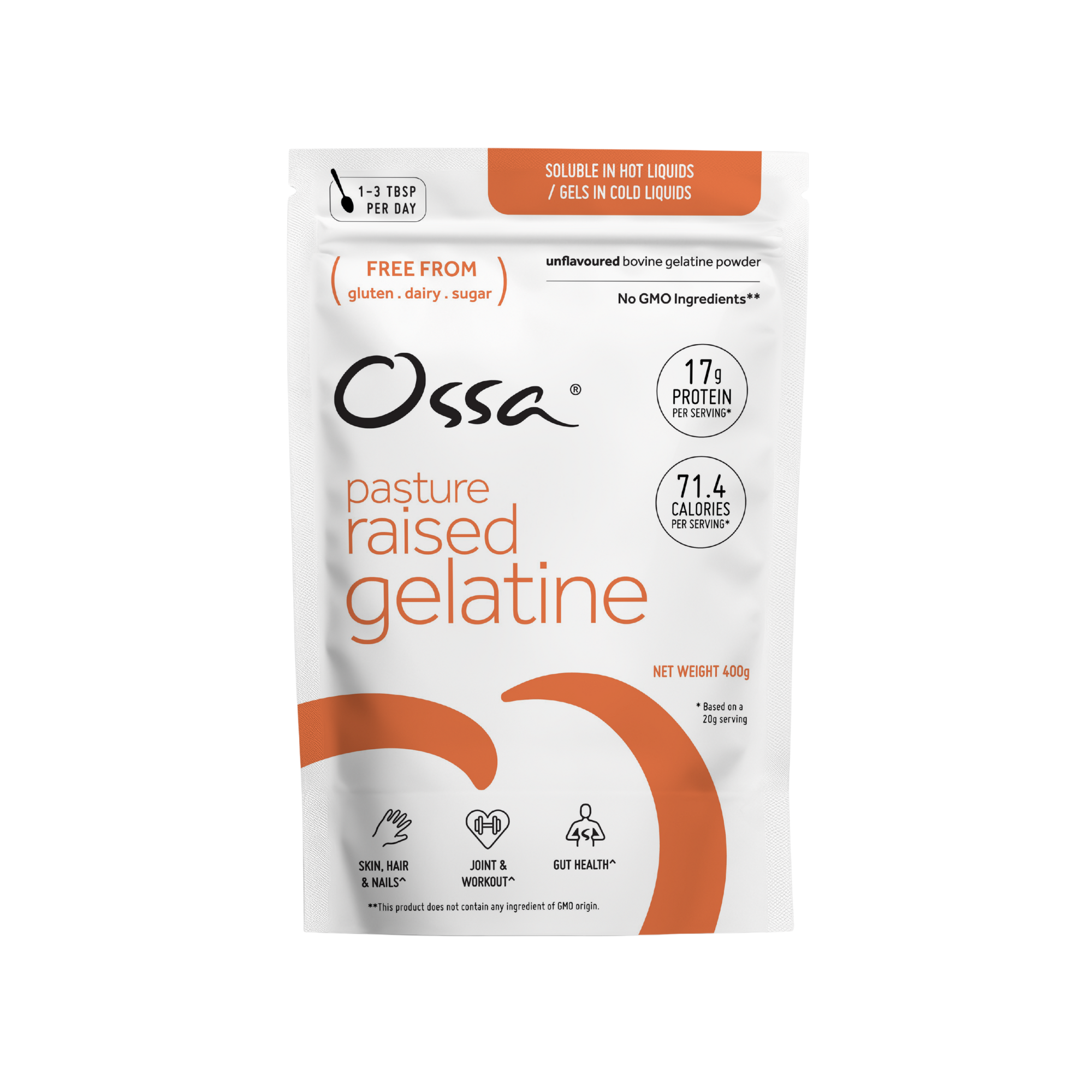
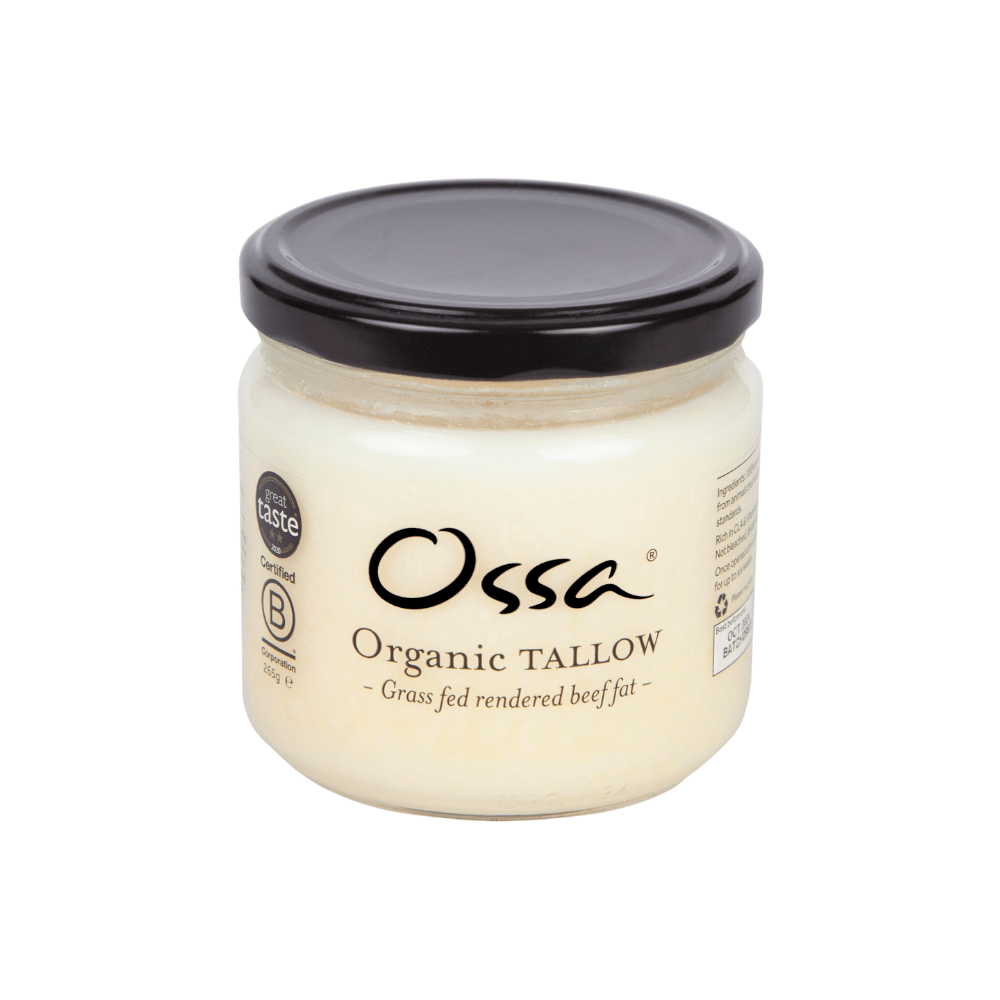
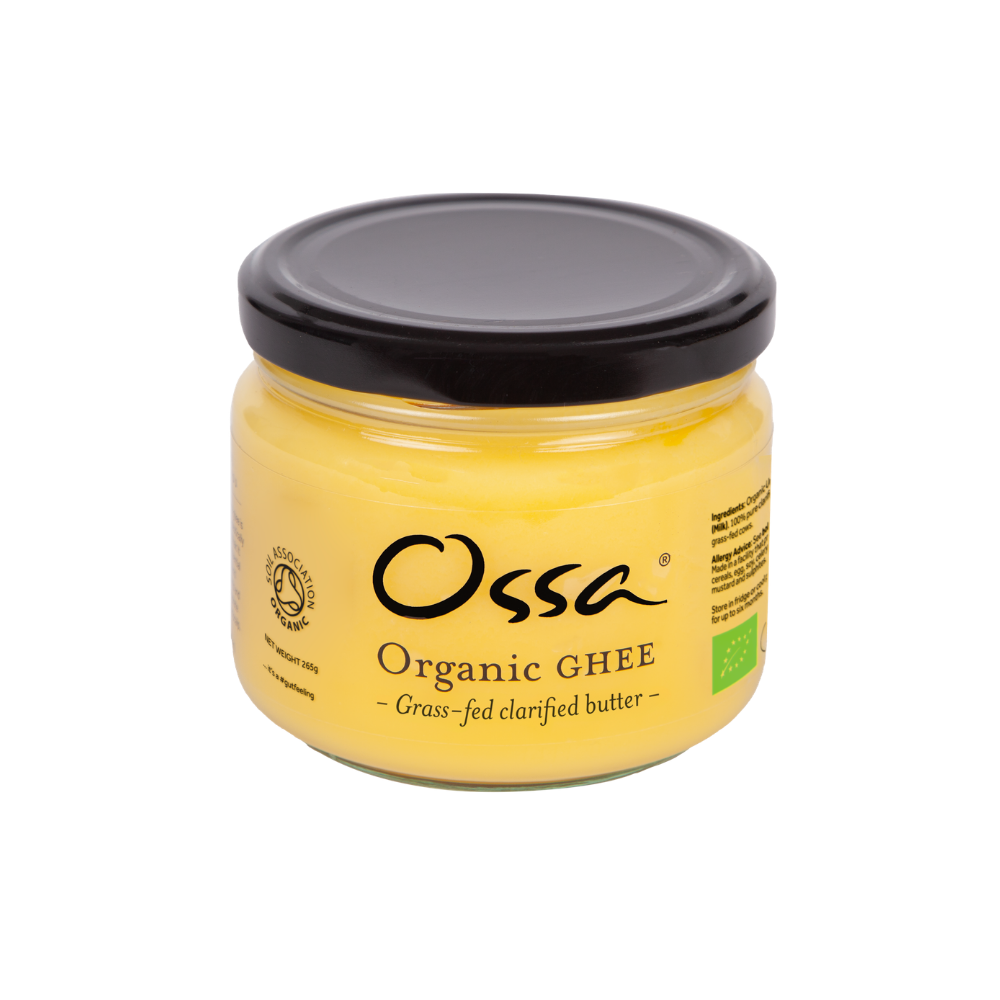
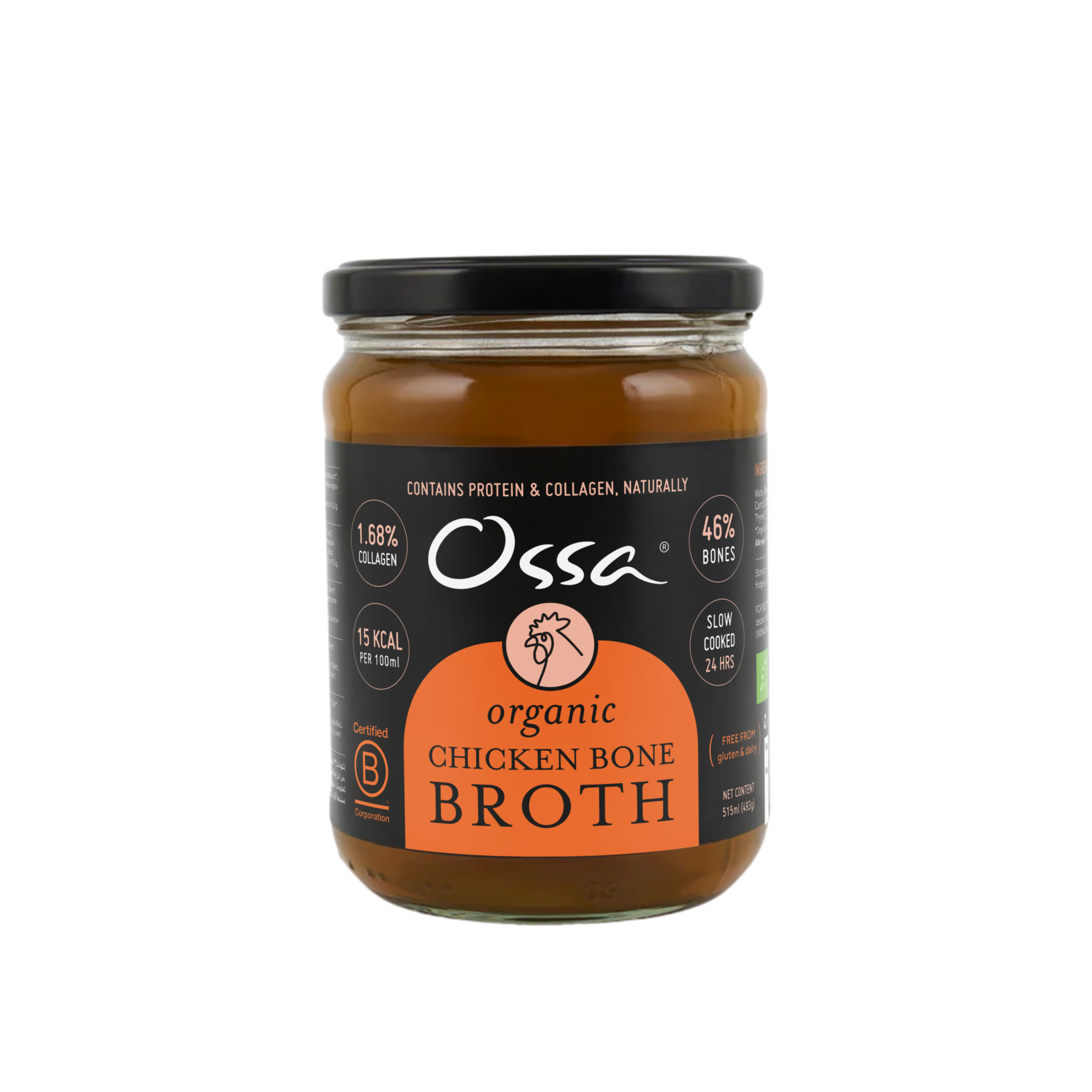
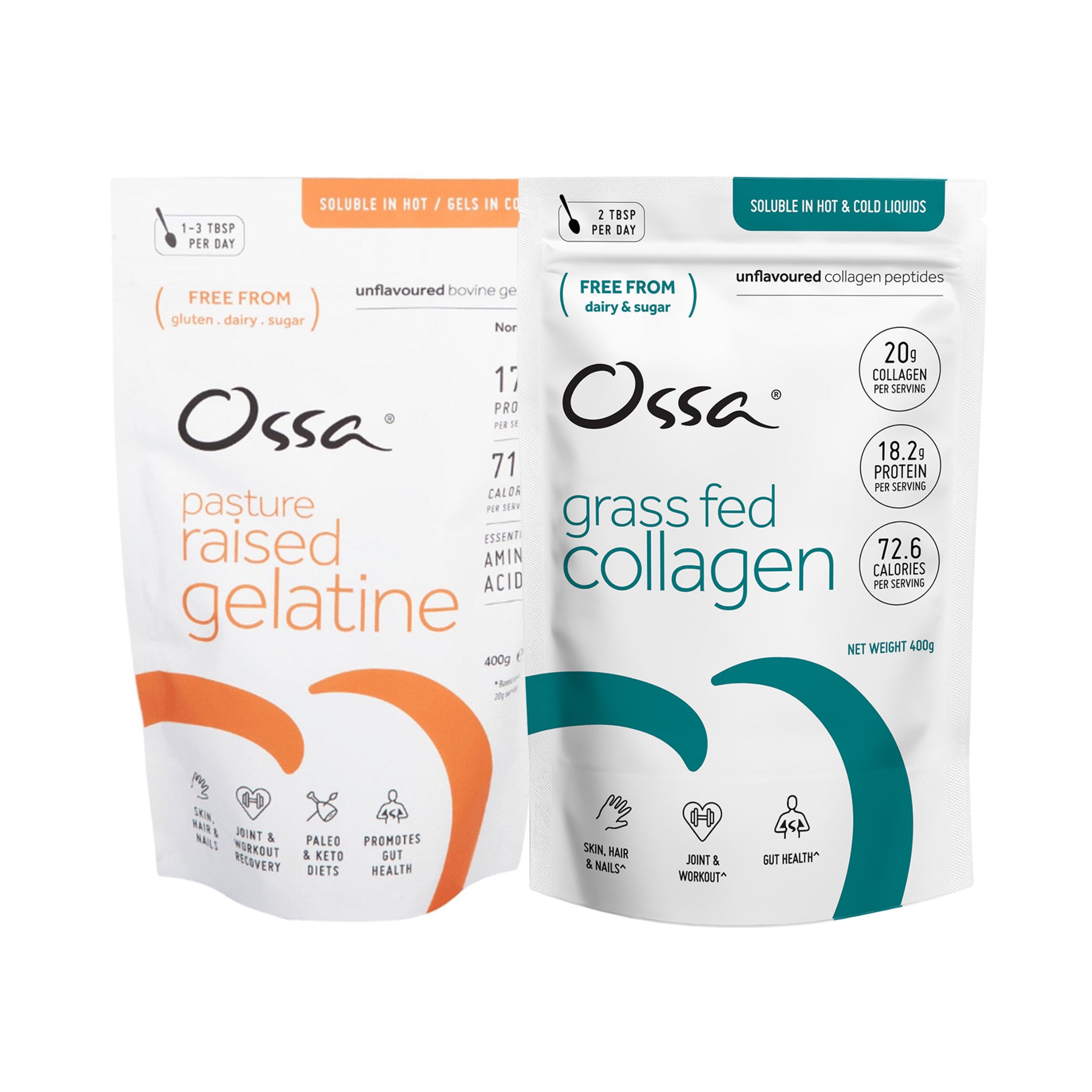
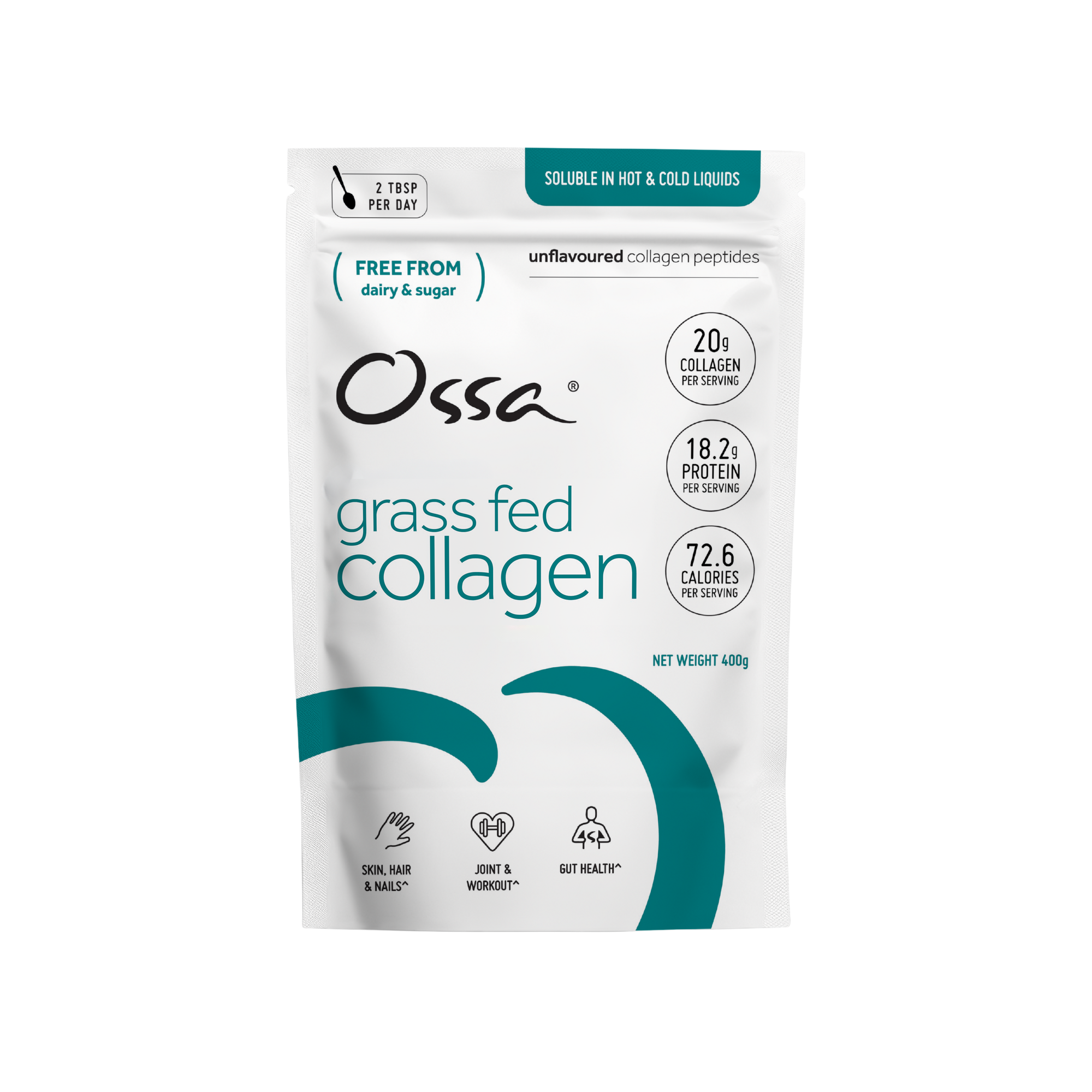
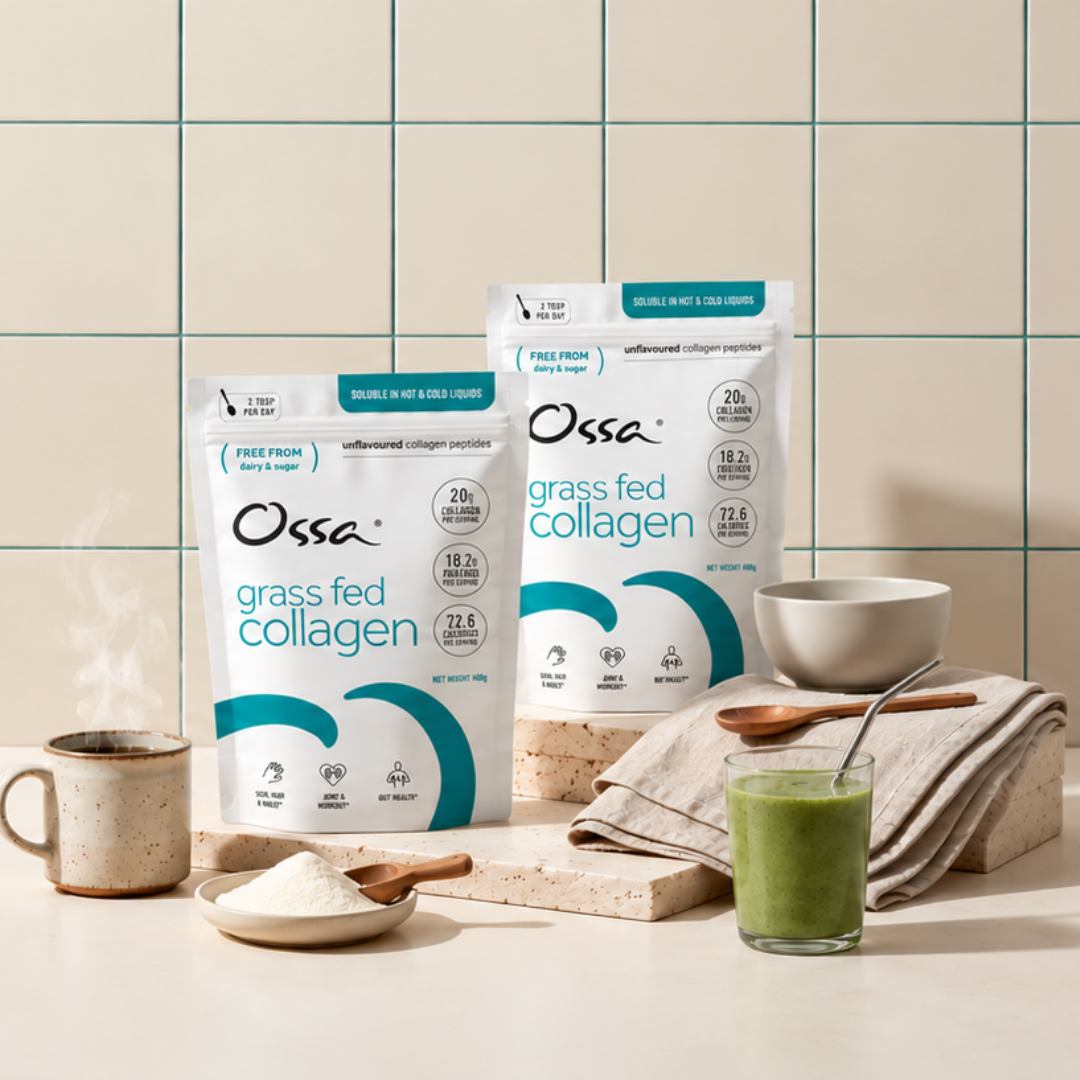
Where we can help is in making that pattern easier to keep. A pot of broth on the hob is a base for soups, stews and grains. Grass-fed ghee and tallow are traditional cooking fats that tolerate heat well, which is useful if you are moving away from refined oils for frying and roasting. Collagen peptides stir into drinks and porridge. These are practical tools for cooking real food, and they work best alongside the plate of vegetables, pulses and fish described above.
There are different views on how paleo-style and Mediterranean-style eating overlap. Both favour whole, unprocessed food and both move away from additives and refined ingredients. They differ mainly on grains and pulses. If you tolerate them, pulses and wholegrains are a well-evidenced source of fibre, and we would not ask anyone to drop them without a reason.
— Ossa Organic
Stocking your kitchen with Ossa Organic
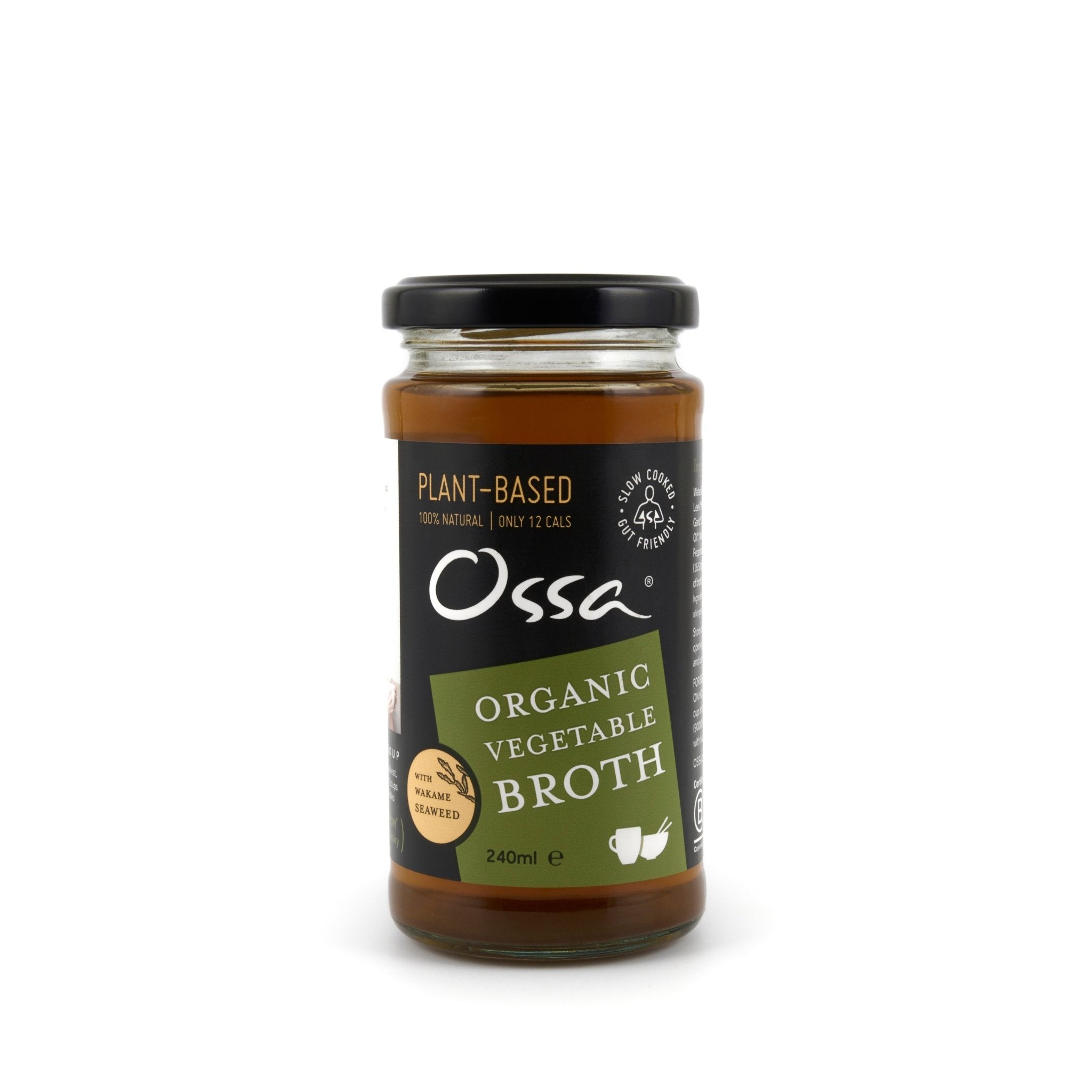
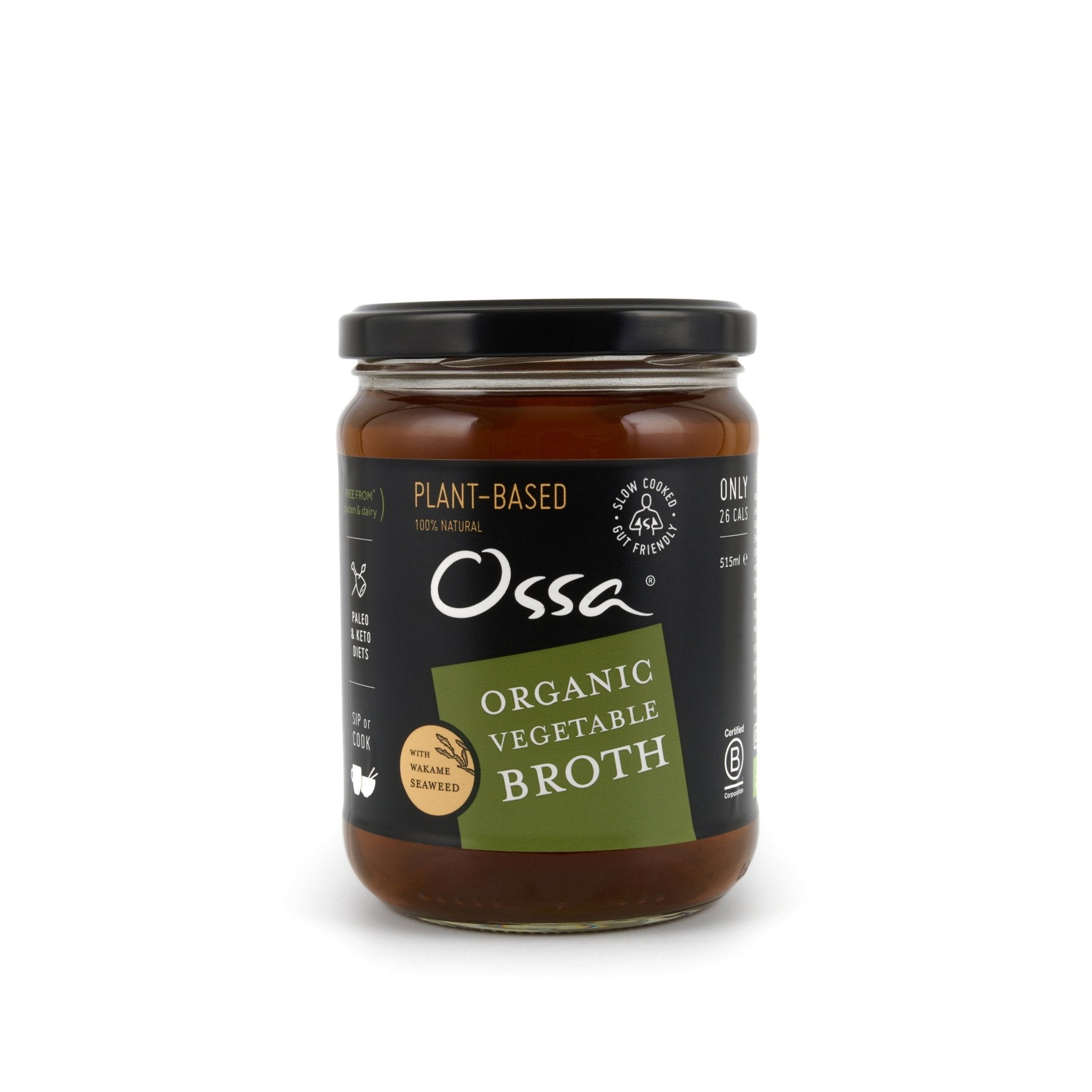
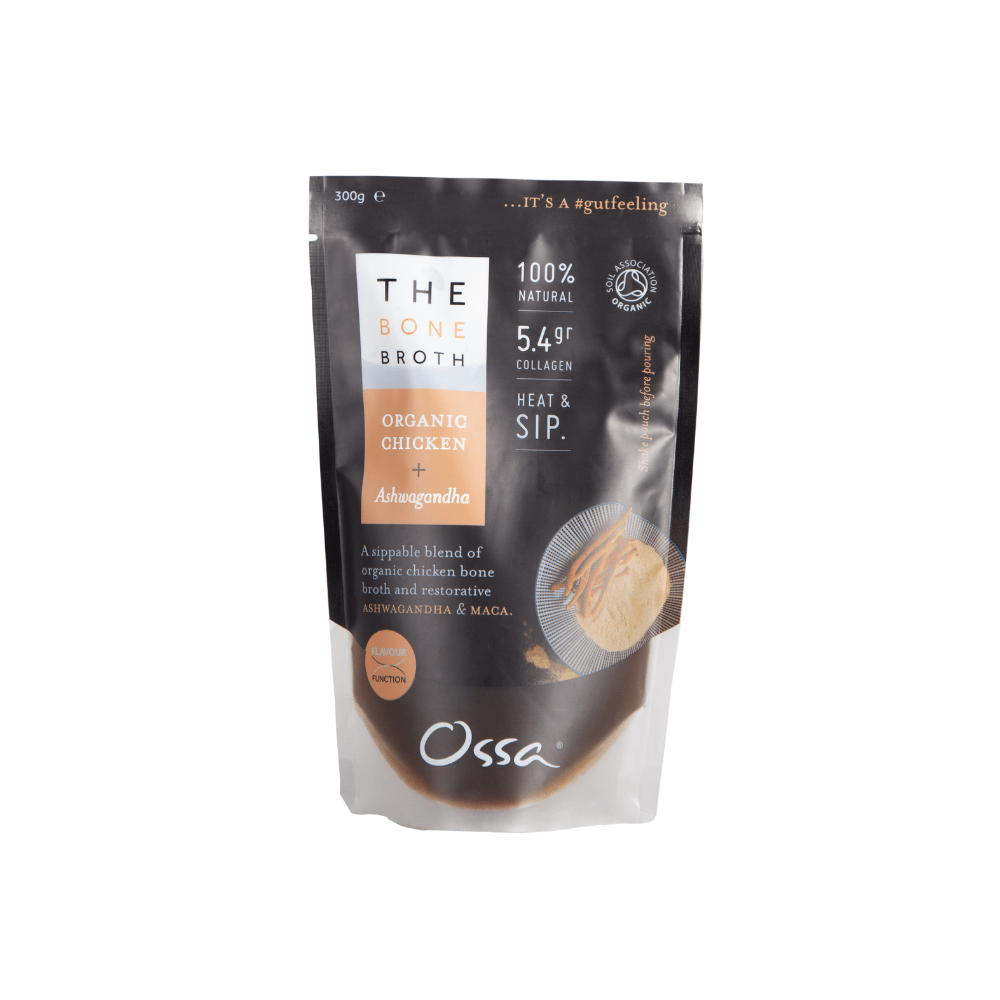
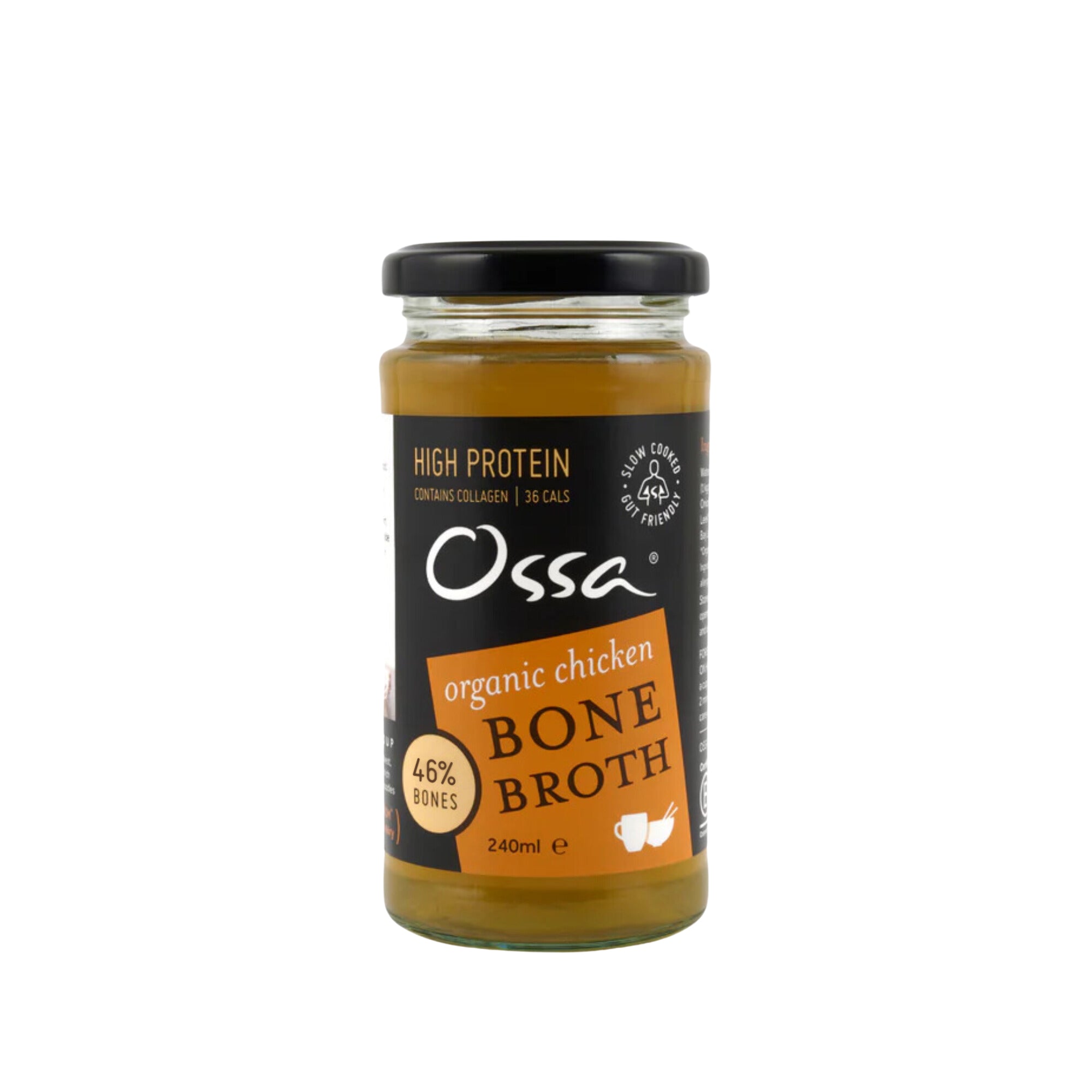
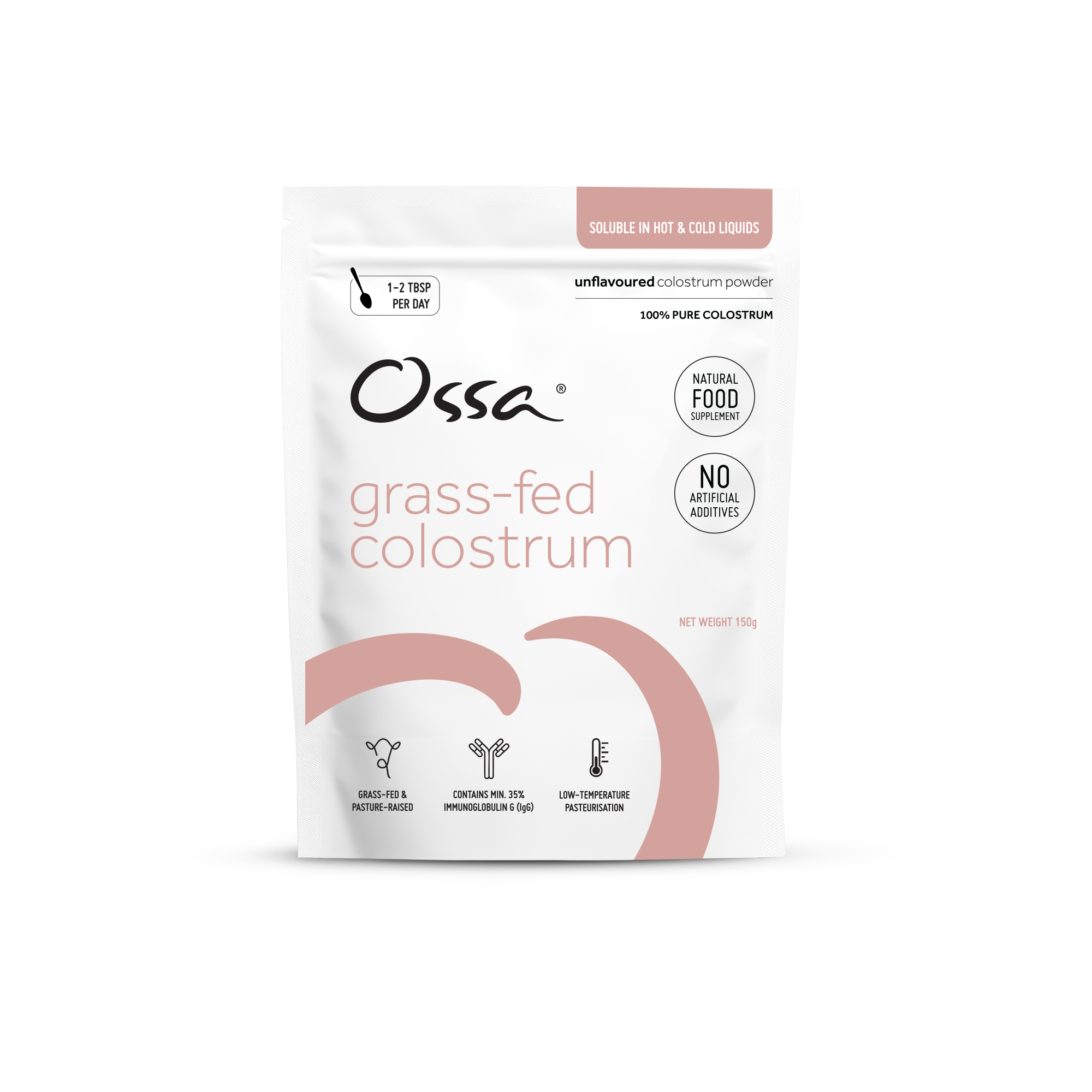
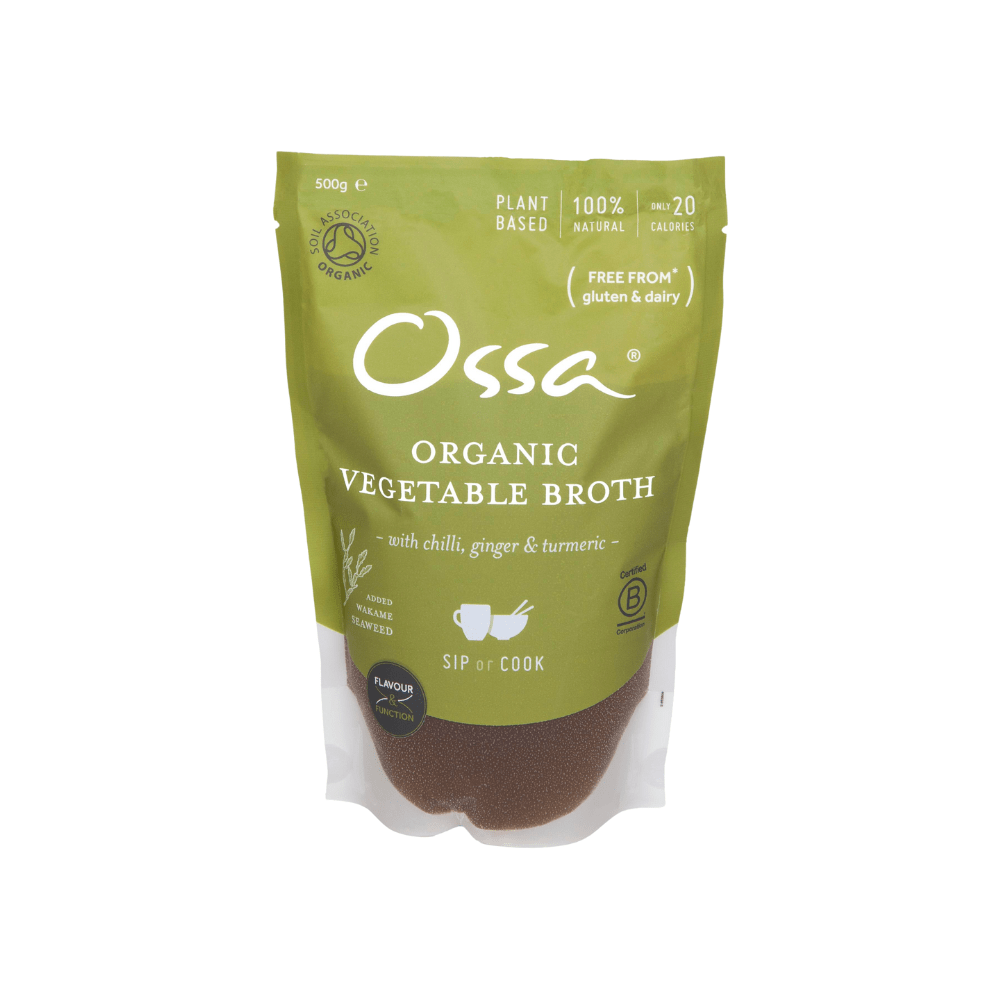
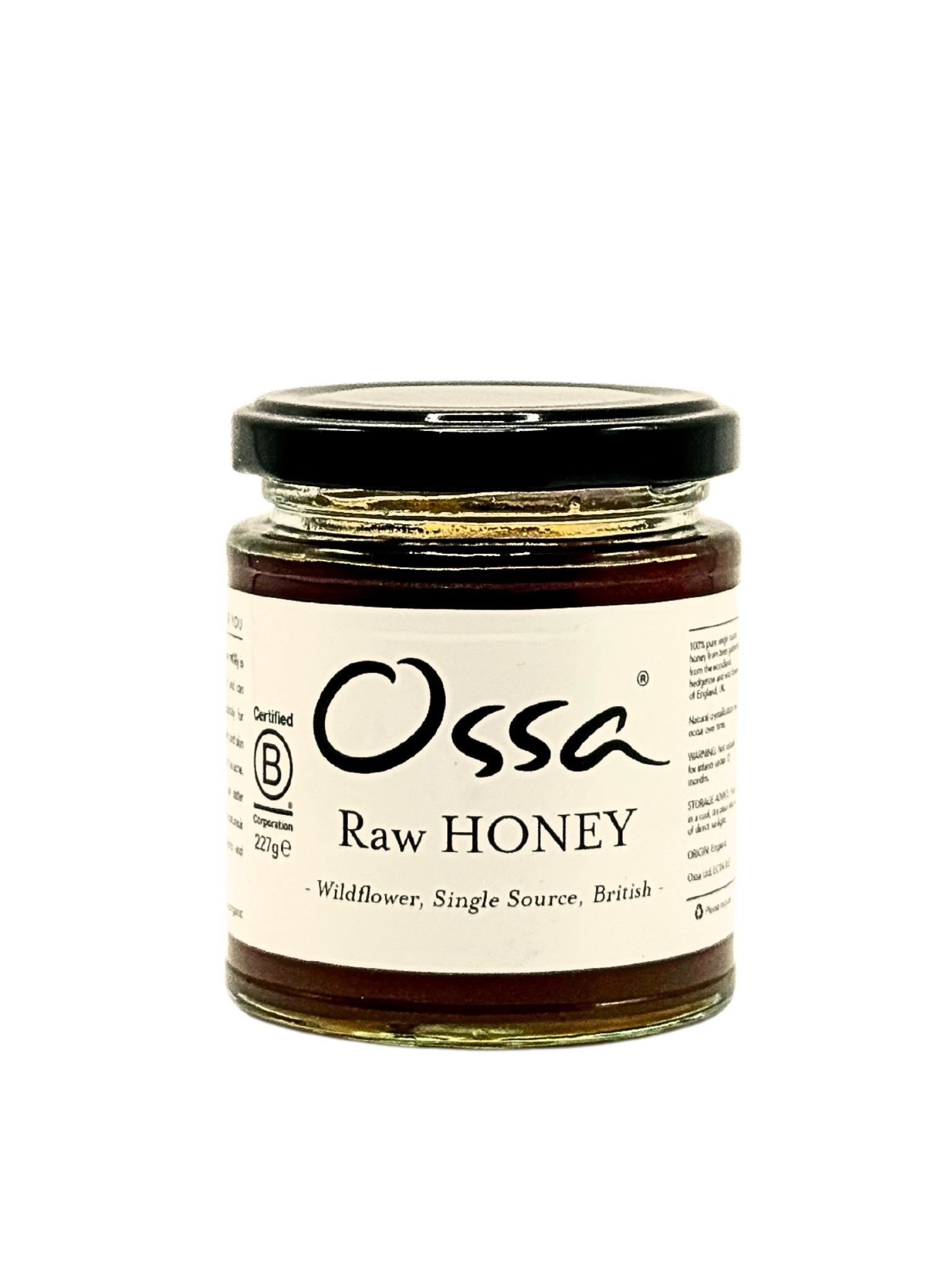
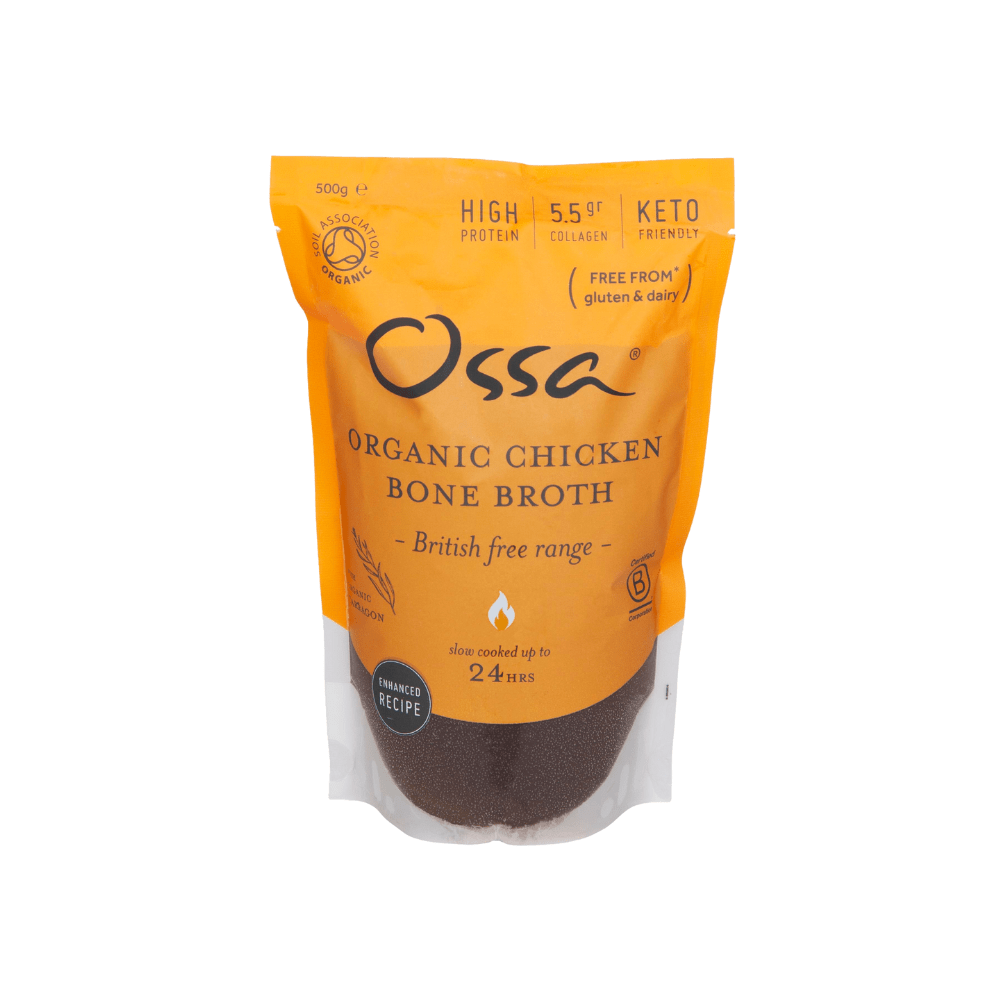
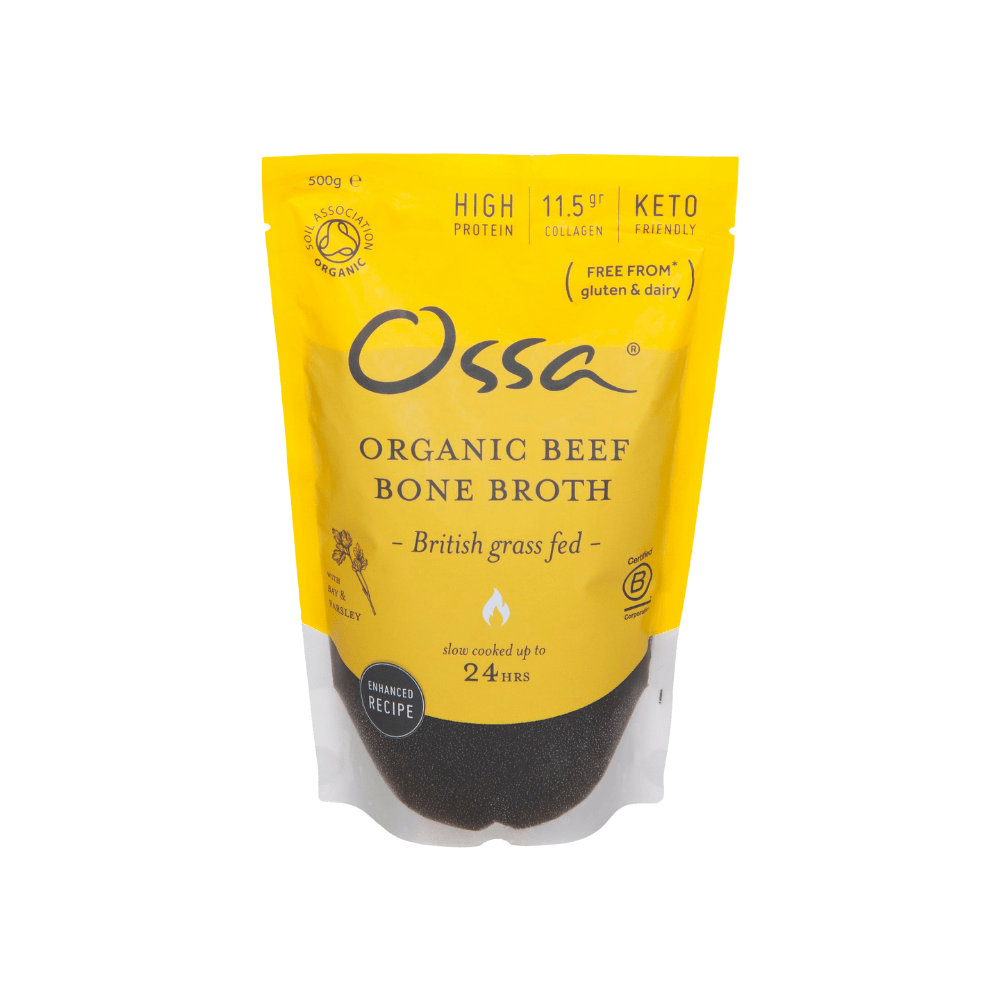
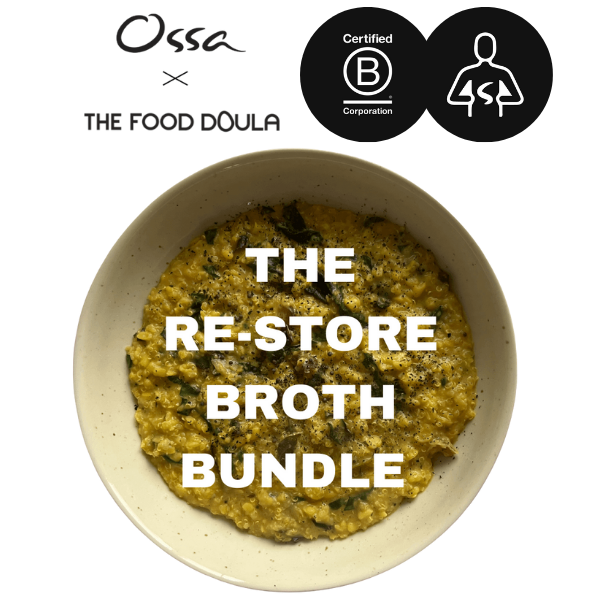
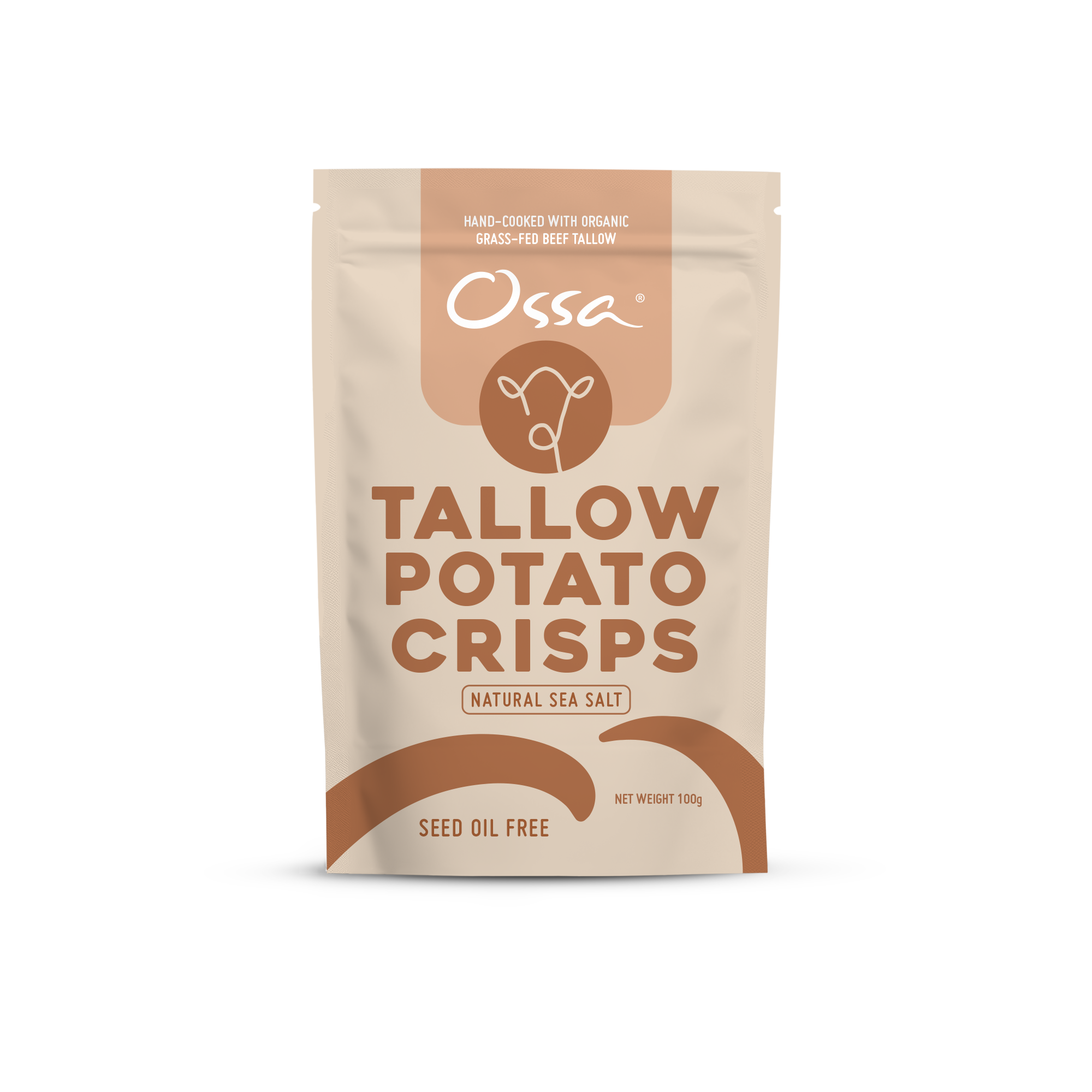
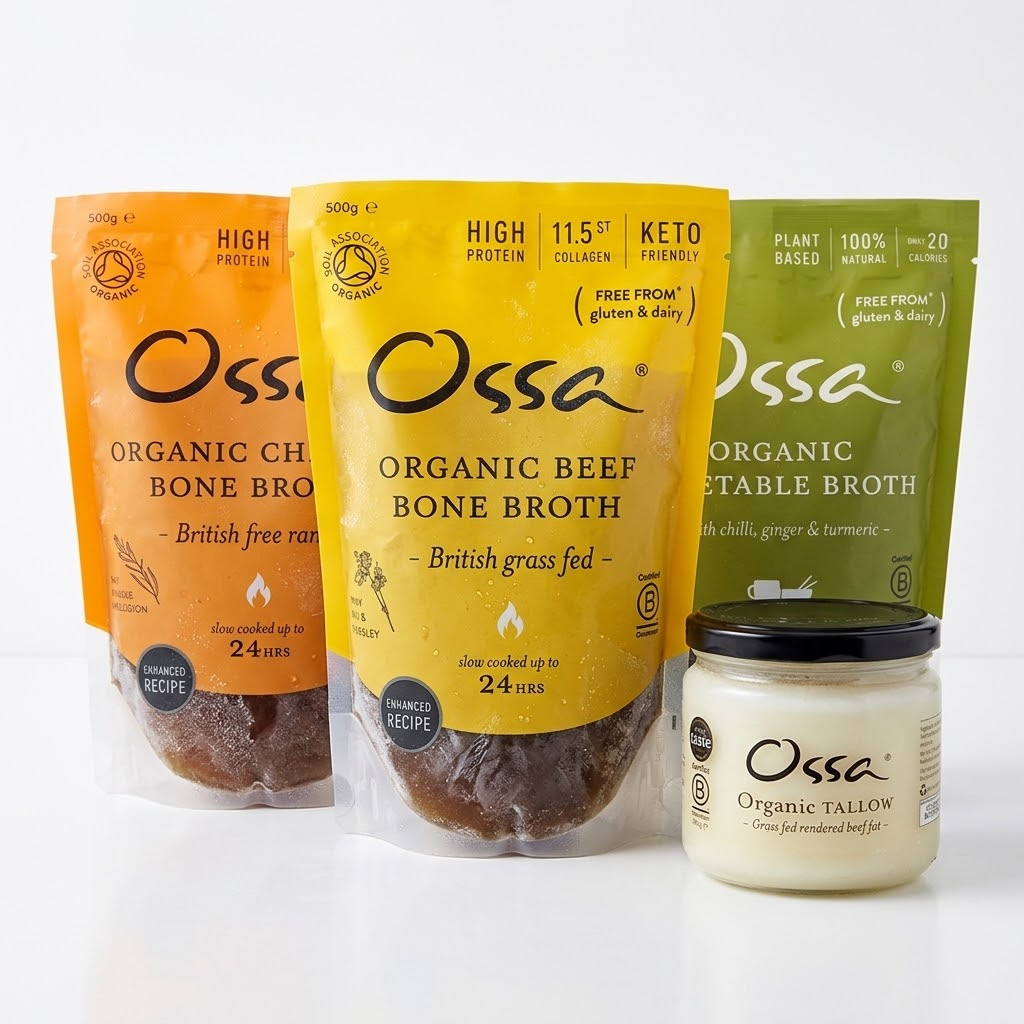
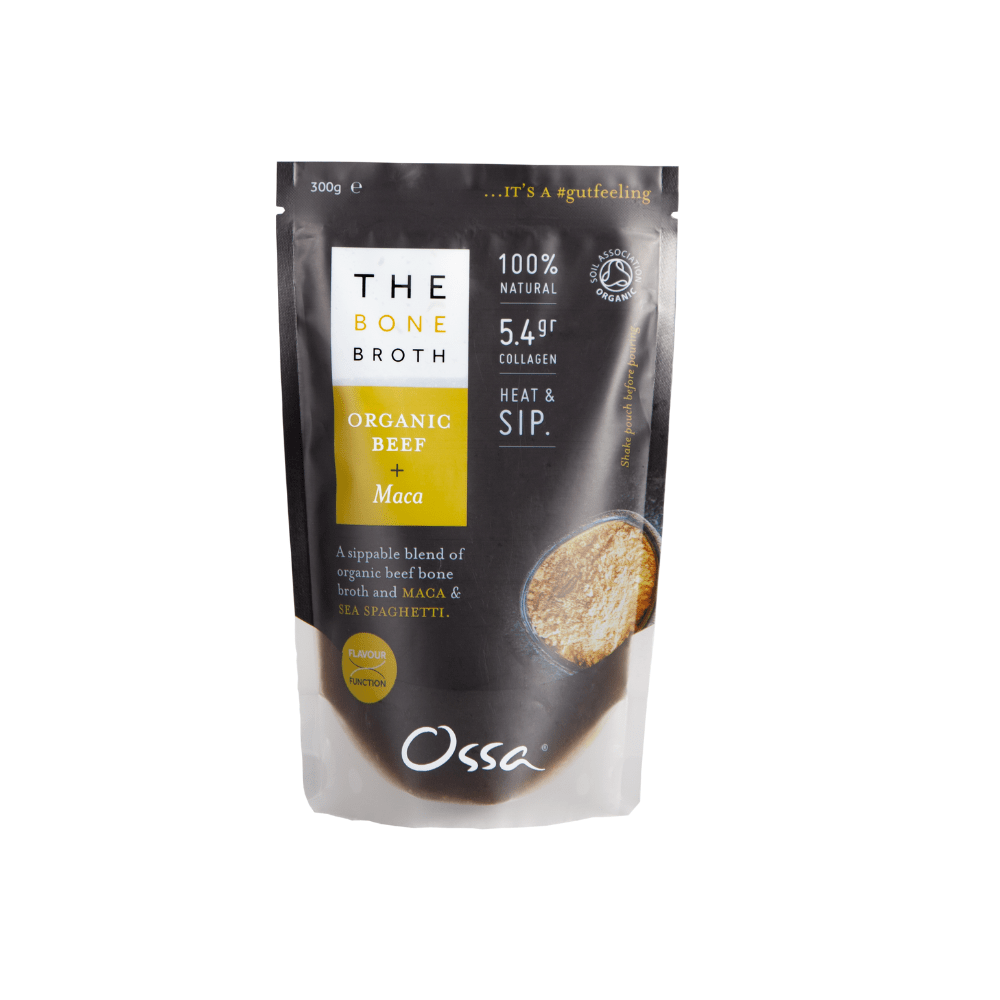
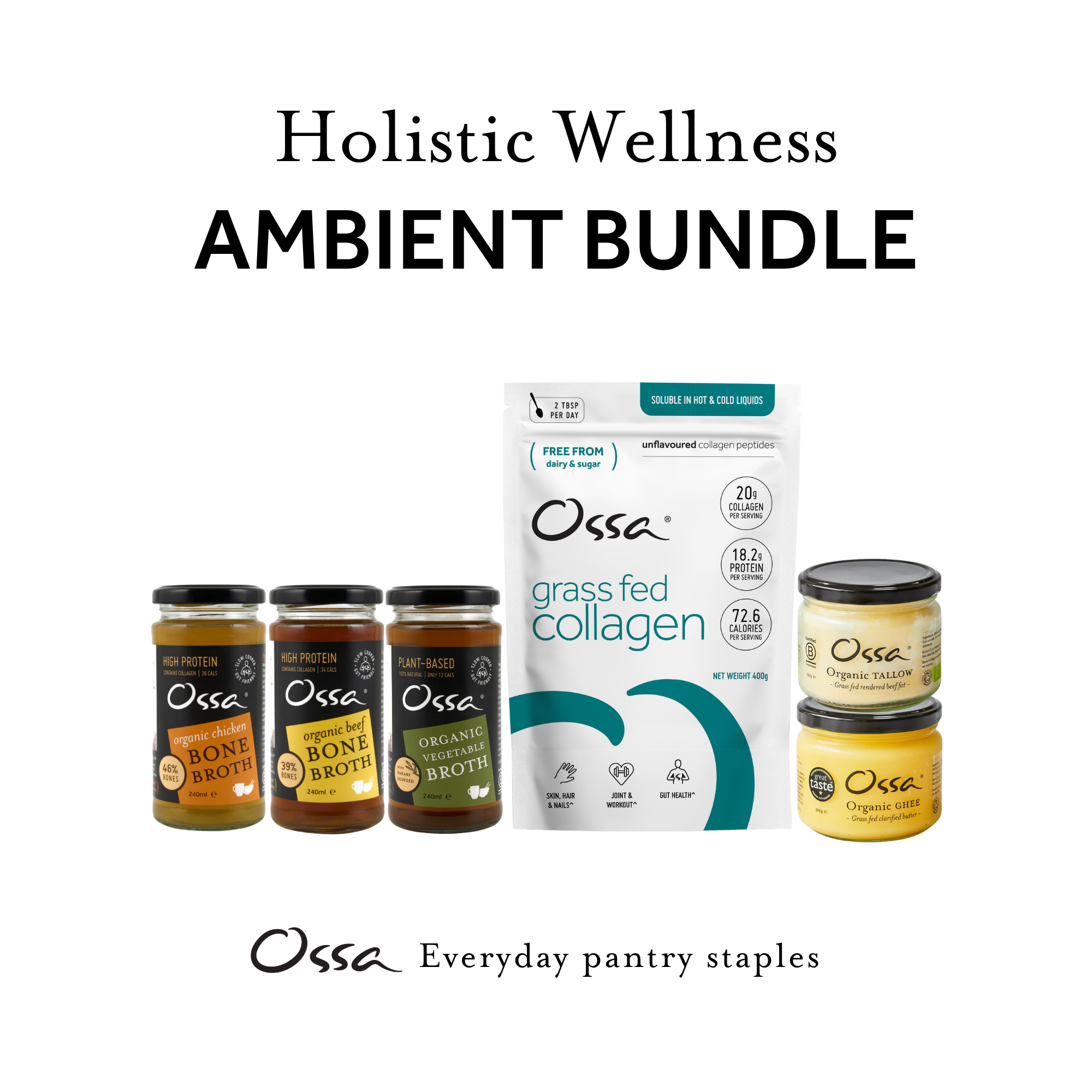
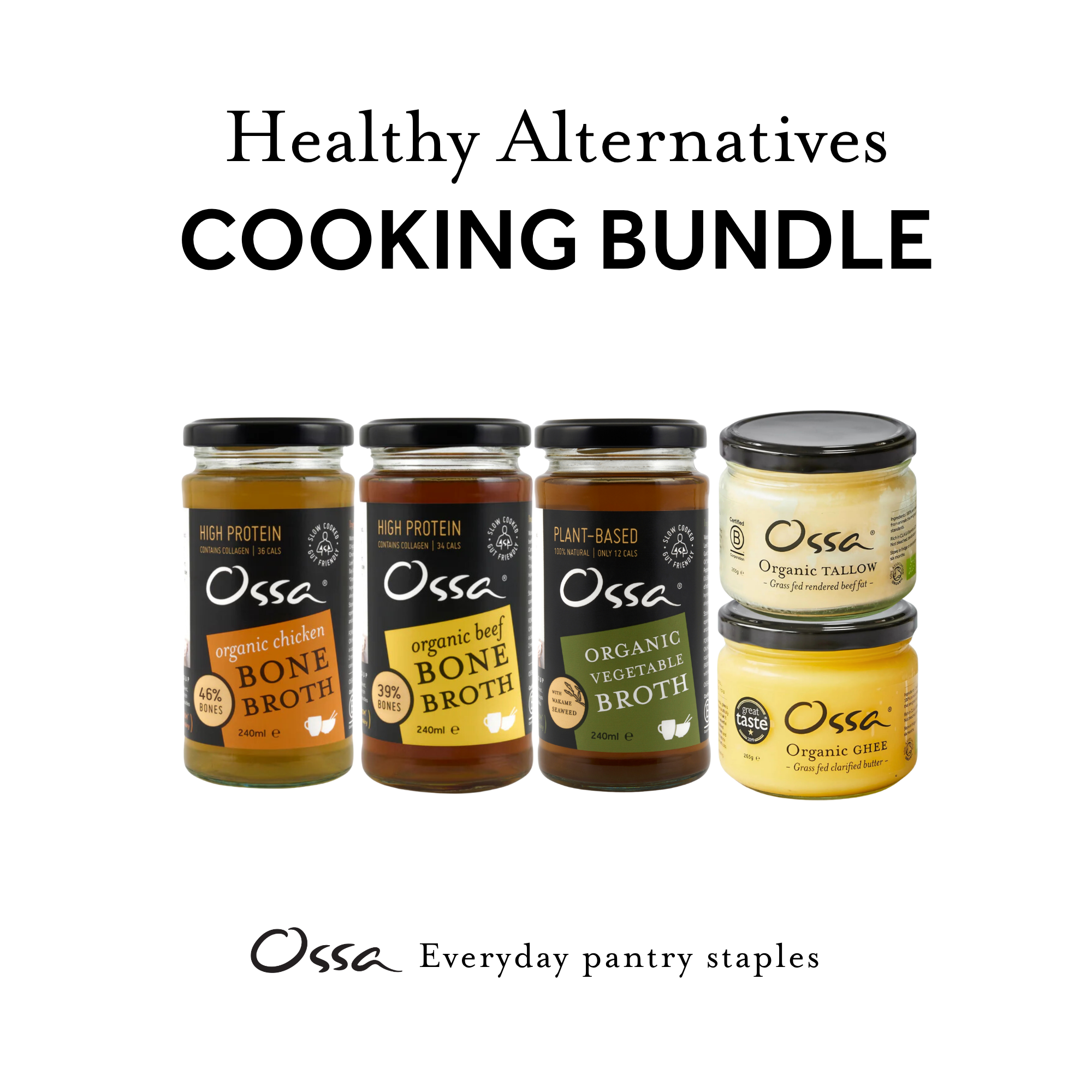
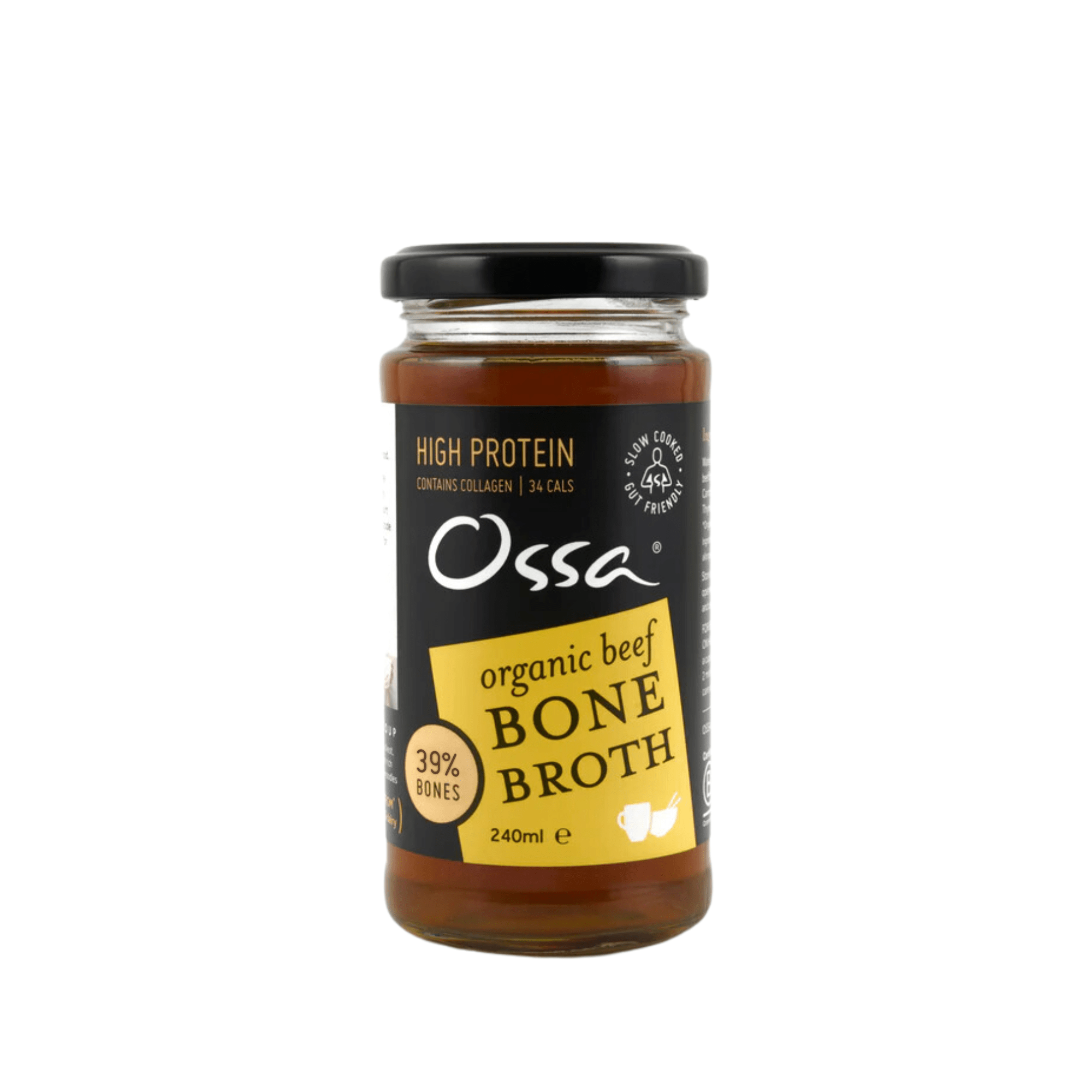
If you want to cook this way with fewer shortcuts, our range is built from organic, grass-fed ingredients, made with slow cooking methods and free from preservatives and artificial ingredients. Several products fit naturally into the meal plan above:
You can browse the full range, including gut health bundles, honey and healthy snacks, in our shop.
Frequently asked questions
What is the best anti-inflammatory diet?
There is no single best protocol, but the Mediterranean-style diet has the strongest research support. It centres on vegetables, fruit, wholegrains, pulses, nuts, seeds, olive oil and fish, with little processed food. It also suits most households and budgets, which makes it easier to keep up.
Which foods should I avoid on an anti-inflammatory diet?
Cut back on ultra-processed foods and those high in added sugar, salt and refined oils: sugary drinks, commercial baked goods, processed meats, white bread and rice, and deep-fried food. You do not need to eliminate them completely. Reducing how often you eat them and replacing them with whole foods is what makes the difference.
How long before I notice a difference?
It varies from person to person. Nutrition professionals generally suggest allowing around three to six months of consistent eating before judging results, and changes in energy, digestion or sleep may come before anything measurable. Diet is also only one factor, so activity, sleep and not smoking matter too.
Can an anti-inflammatory diet cure arthritis or other conditions?
No. A healthy eating pattern can support your overall health, but it is not a cure or a replacement for medical treatment. If you live with a diagnosed condition, talk to your GP or a registered dietitian before making major changes.
Is an anti-inflammatory diet the same as a paleo diet?
Not exactly. Both avoid ultra-processed food and favour whole ingredients, but the Mediterranean-style pattern includes wholegrains and pulses, which a strict paleo diet leaves out. Choose the version you can follow comfortably and that meets your nutritional needs.