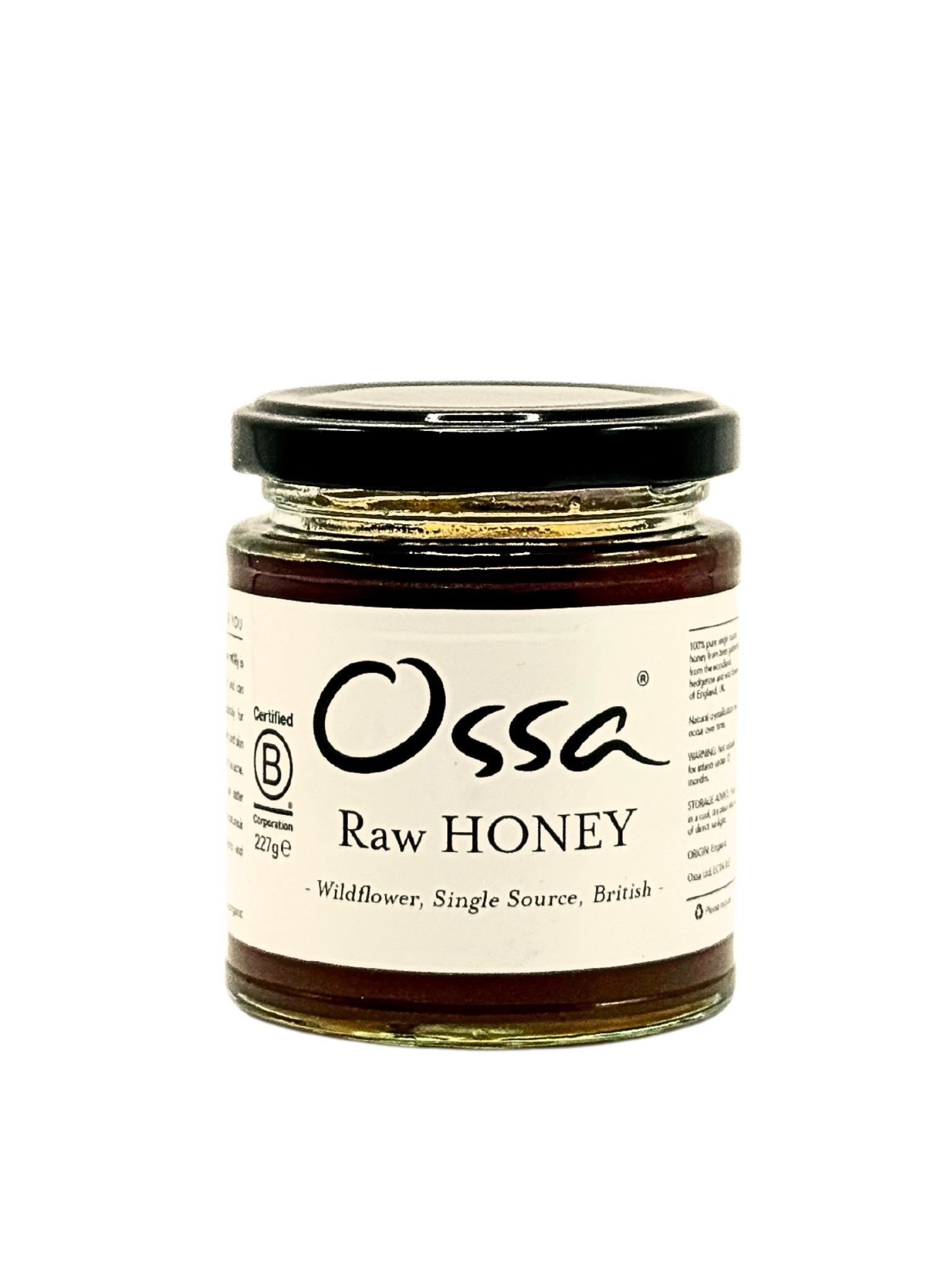
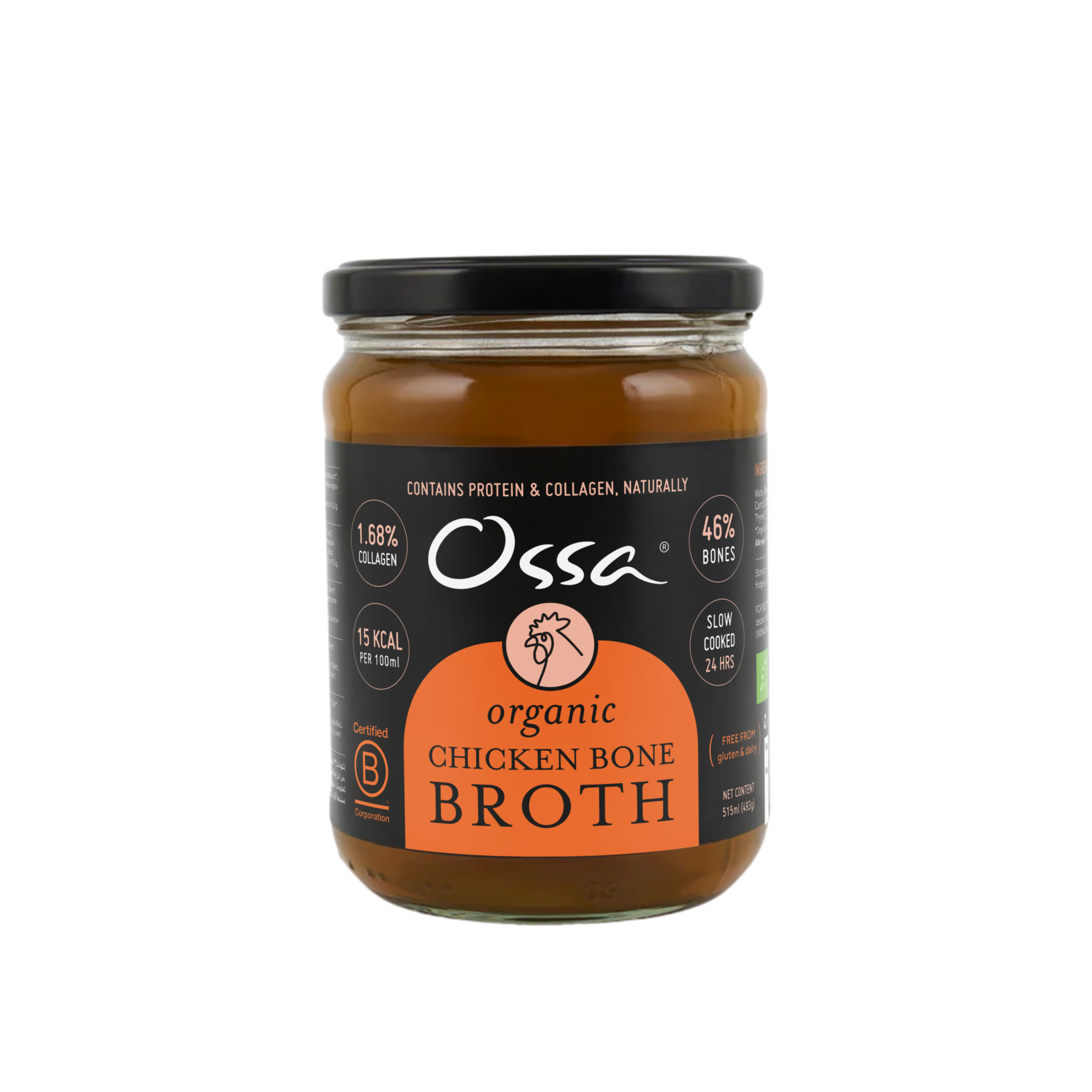
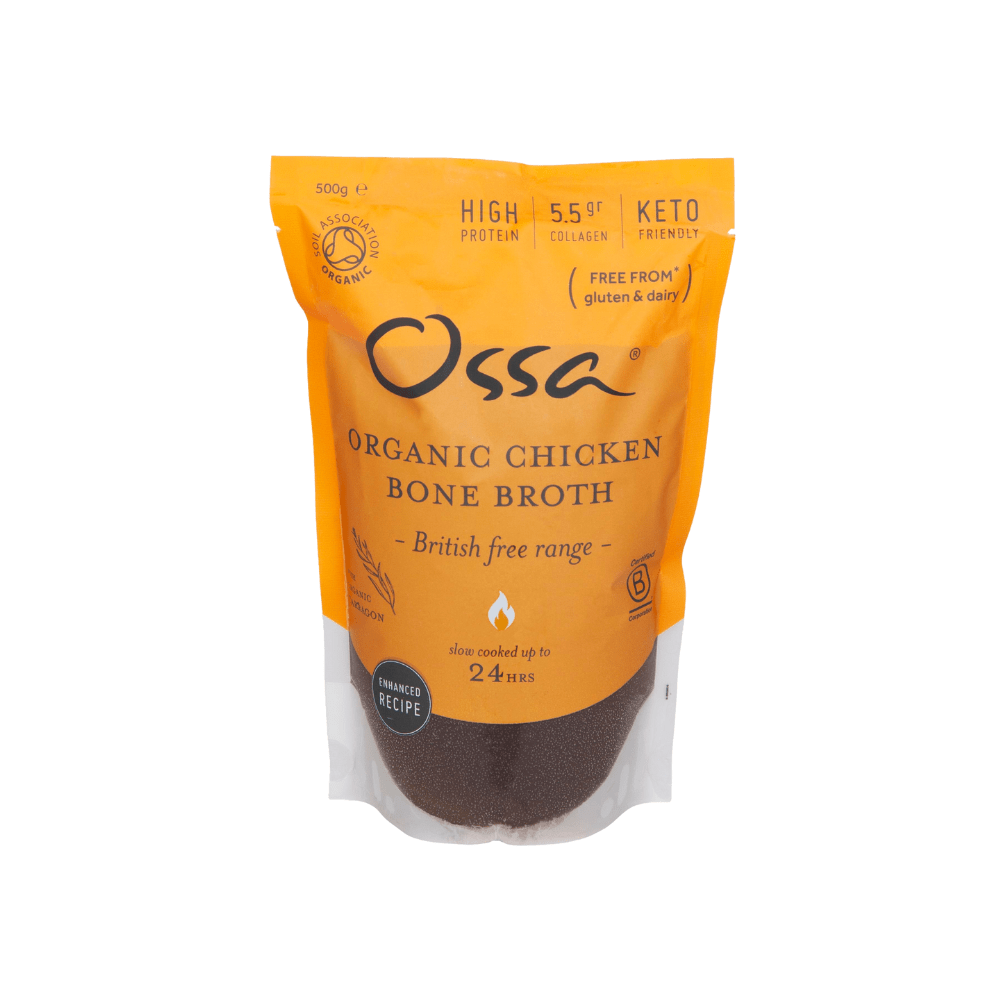
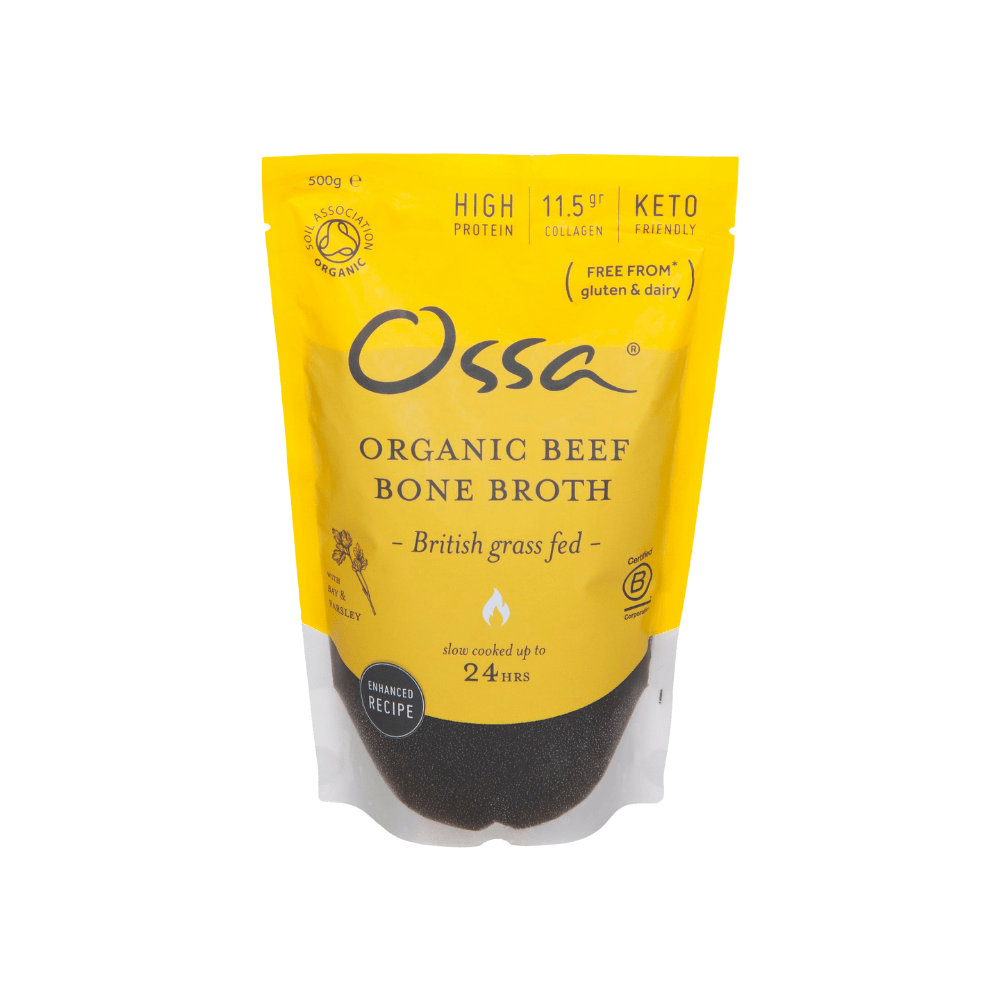
Organic ingredients
•
Naturally nourishing
•
Made with care
We've sent you an email with a link to update your password.
Reset your password
We will send you an email to reset your password.
Ghee for Digestion: What It Can and Can't Do
Ralph Barrozo
0 comments
Ghee can be a gentle, well-tolerated cooking fat for many people, and it contains very little lactose. It is not a treatment for constipation, leaky gut or any other digestive condition. Its place in a gut-friendly kitchen is real but modest: it is a flavourful fat that is easy to cook with, and it works best alongside fibre, fluids and a varied diet.
This guide separates three things that often get mixed together: what traditional food cultures say about ghee, what is understood about how fat and the gut work, and what is simply repeated online. It also covers how much to eat, who should take care, and how to use ghee in everyday cooking.
Ossa Organic
Choose Food Rooted in Tradition
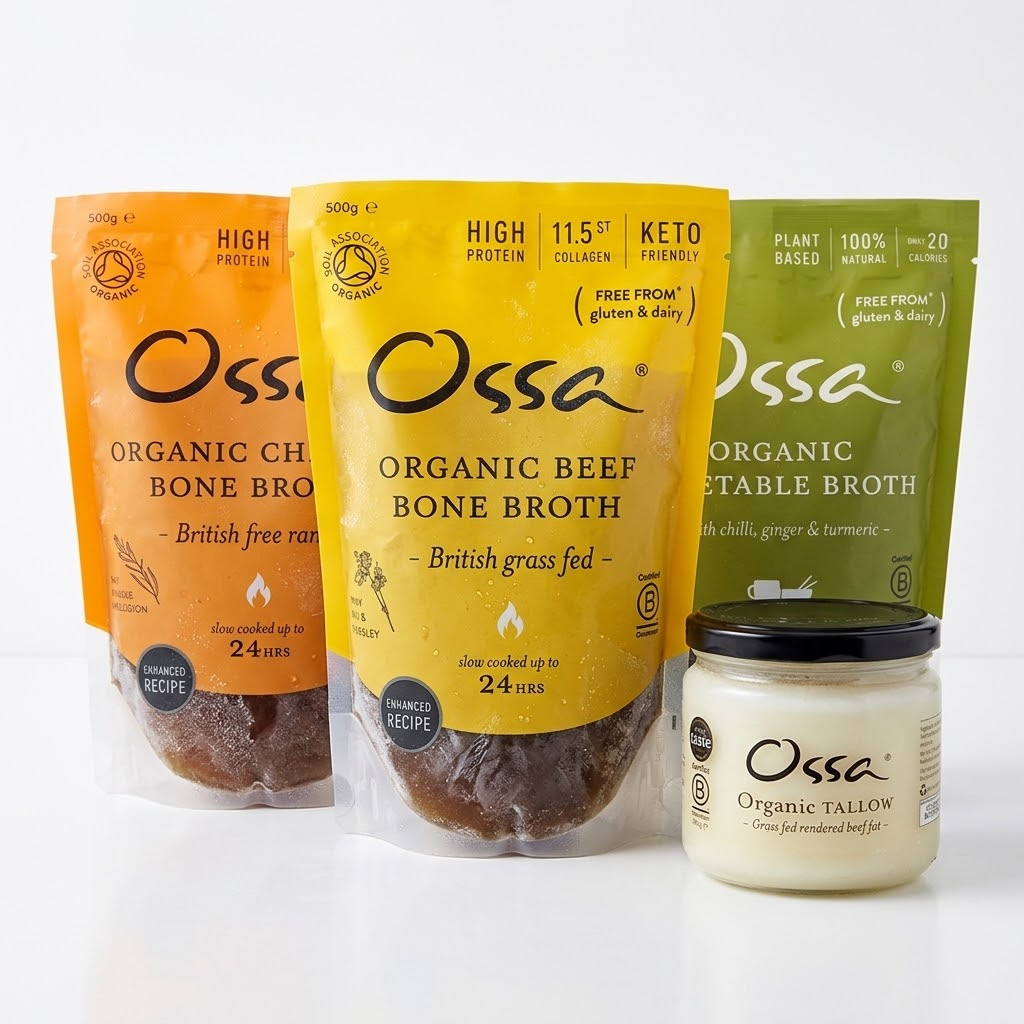
Ossa Organic makes natural foods with organic ingredients and slow cooking techniques, shaped by a family’s approach to nourishing meals.
Ghee is clarified butter. The milk solids are removed, so it contains very little lactose and casein, which is why some people with dairy sensitivity tolerate it better than butter.
There is no good clinical evidence that ghee treats constipation or leaky gut. Fibre, fluids and movement remain the standard advice.
The butyrate in ghee is not a reliable way to feed your colon. Most colonic butyrate comes from gut bacteria fermenting fibre.
Ghee is mostly saturated fat. Keep it to small amounts within the UK guidance of no more than about 10% of food energy from saturated fat.
People with gallbladder problems, high cholesterol or a diagnosed digestive condition should check with their GP or dietitian first.
What ghee is, and why it is treated differently from butter
Ghee is made by gently heating butter until the water evaporates and the milk solids separate from the golden fat. The solids are strained off, and what remains is a shelf-stable, nutty-tasting fat. In effect, ghee is butterfat with almost everything else taken out.
That difference matters for digestion in two practical ways.
Lactose and casein. Lactose is the milk sugar, and casein is a milk protein. Both sit mainly in the water and solids that are removed during clarification. Well-made ghee therefore carries only trace amounts. For someone who gets bloated after butter or cream, ghee is often easier to tolerate. That is a point about dairy sensitivity, not proof that ghee improves digestion in general. Anyone with a diagnosed milk allergy should not assume ghee is safe, because trace proteins can still matter. If that applies to you, ask your doctor or allergy specialist before trying it.
Heat stability. Ghee can be heated to higher temperatures than butter before the solids burn. For frying, roasting and sauteing, that means less scorching and a cleaner taste. Food that is pleasant to cook and eat at home tends to replace more heavily processed alternatives, and that is a reasonable way for a fat to support a diet.
What tradition says, and how to read it
Ghee has a long history in Indian cooking and in Ayurvedic practice, where it is described as supporting digestion and is often eaten warm with simple meals such as rice or lentils. Many families use it that way today, and the habit is part of a food culture, not a clinical claim.
That distinction is worth holding onto. A tradition can tell you that a food has been eaten for generations and is well liked. It cannot tell you that the food treats a condition. Medical writers who have reviewed the topic generally describe ghee as a traditional, flavourful fat rather than a medicinal superfood, and note that claims about healing gut disorders lack scientific backing.
This does not make the tradition wrong or worthless. Eating a small spoonful of warm, simply cooked food with fat is, for many people, a comfortable way to eat. It just should not be read as a cure.
The butyrate argument, explained
The most repeated claim online is that ghee is rich in butyrate, butyrate heals the gut, and therefore ghee heals the gut. Each part sounds reasonable. The chain breaks in the middle.
Butyrate is a short-chain fatty acid. Butyric acid provides roughly 70% of colon cells’ energy, so it is genuinely important for the lining of the large bowel. But the butyrate that matters most is made inside you: bacteria in the colon ferment fibre and produce it there.
Butyrate that you eat in ghee behaves differently. Butter and ghee contain it as part of the fat, and fats are broken down and absorbed mostly in the small intestine, well before they reach the colon. Ghee also contains only a small amount, because butyrate is a minor part of butterfat. So the amount arriving where it is needed is small.
If you want to raise colonic butyrate, the better-supported route is to feed the bacteria that make it. That means fibre from oats, beans, lentils, vegetables, fruit and wholegrains. The NHS advises adults to aim for 30g of fibre a day, and most people in the UK eat less than that.
Ghee and constipation
Ghee for constipation is one of the most searched questions on this topic, and the honest answer is short: there is no clinical evidence that ghee treats it.
Some sources describe ghee as a natural laxative that coats the bowel. That is a traditional idea, not a trial result. A fat-rich meal can stimulate the gut to move in some people, and a spoonful of any oil may soften things slightly for a few of them, but nothing here amounts to a reliable remedy. A fact-check that looked at ghee and digestion claims found that claims of relieving constipation lack strong scientific support.
What the NHS recommends for constipation is more ordinary and more effective:
Eat more fibre, increasing it gradually so you do not get wind and bloating.
Drink plenty of fluids through the day. Water, and other unsweetened drinks, count.
Move regularly. Even a daily walk helps the gut.
Do not ignore the urge to go.
See your GP if constipation lasts for weeks, if there is blood in your stool, if you have unexplained weight loss, or if there has been a sudden change in your usual bowel habit. Those are reasons for an assessment, not a kitchen experiment.
Can too much ghee cause constipation? It can contribute to digestive discomfort for some people, because a very high-fat diet slows stomach emptying and can leave you feeling heavy. If you have added a lot of ghee, and your digestion has become sluggish or uncomfortable, cutting back is a sensible first test.
Ghee and leaky gut
“Leaky gut” is a popular term, and it is often used to sell products. Increased intestinal permeability is a real area of research, but it is not a standalone diagnosis that doctors treat with a particular food. There is no clinical evidence that eating ghee repairs gut lining or treats leaky gut.
If you have ongoing bloating, pain, diarrhoea, or other symptoms, the useful step is to see your GP. Conditions such as coeliac disease, inflammatory bowel disease and irritable bowel syndrome have proper tests and treatments, and symptoms can be mistaken for each other. Dropping ghee into a diet will not substitute for that.
What ghee can reasonably offer your digestion
Putting the over-claims aside, there are modest, defensible reasons people with sensitive digestion like ghee.
Reason
What is actually supported
Low lactose and casein
Clarification removes almost all milk solids, so many people who react to butter tolerate ghee
Cooking stability
It handles higher heat than butter, so it is easy to fry and roast without burning
Satisfying flavour
A little goes a long way, which makes it easy to keep portions small
Fat-soluble vitamins
Butterfat carries vitamins A and E, and eating fat with vegetables helps you absorb fat-soluble nutrients from them
Simple ingredient list
A single-ingredient fat suits people who want to avoid processed spreads
None of those items is a digestive treatment. Together they describe a practical, pleasant fat that is easy to use in a minimally processed kitchen.
How much ghee is sensible
Ghee is almost entirely fat, and around 60% of that fat is saturated. UK guidance from the Scientific Advisory Committee on Nutrition (SACN) keeps the recommendation that saturated fat should provide no more than about 10% of dietary energy. That is a population average, and it covers all your saturated fat, including cheese, meat, biscuits, butter and cream.
In practice, that is why clinicians commonly suggest keeping ghee to a teaspoon or two a day. It is a rule of thumb, not a prescription, and the right amount depends on the rest of what you eat.
The same body of evidence points to a second idea. Swapping saturated fat for unsaturated fat, such as olive oil or rapeseed oil, lowers LDL cholesterol. So ghee does not need to be your only fat. A sensible kitchen uses several: ghee or tallow for high-heat cooking and flavour, olive or rapeseed oil for dressing and everyday use.
Who should take extra care
Gallbladder disease or gallstones. The gallbladder stores bile, which helps digest fat. Saturated fat can be harder to manage when the gallbladder is not working normally, and NHS dietary advice for gallbladder disease recommends reducing overall fat intake. Speak to your GP or a dietitian before using ghee regularly.
High cholesterol or heart disease. Ask your GP or practice nurse how much saturated fat suits you, particularly if you take statins.
Milk allergy. Trace milk proteins may remain. Check with a doctor or allergy specialist.
Diagnosed gut conditions. If you have Crohn’s disease, ulcerative colitis or a similar condition, ask your gastroenterology team or a dietitian how fats fit your plan, especially during a flare.
Pregnancy or breastfeeding. Ghee is a food, so ordinary food guidance applies. If you have been given specific dietary advice, follow it.
Simple ways to use ghee in a gut-friendly kitchen
If you like ghee and tolerate it, the most useful approach is to treat it as a cooking fat that helps you eat more whole food.
Roast vegetables. Toss root vegetables or squash with a teaspoon of ghee, salt and herbs. Vegetables eaten with a little fat are more satisfying, and you are more likely to finish the plate.
Soften onions and spices. Ghee is a classic base for dal and curries made with lentils and beans, which are high in fibre.
Cook eggs. A small amount in the pan gives a clean, buttery taste with no browned milk solids.
Finish soup. Stir a half teaspoon into a warm bowl of broth or vegetable soup.
Make a snack. A tablespoon is enough to pop and finish a batch of popcorn; our ghee popcorn guide gives the quantities.
A note on storage: ghee is shelf-stable when kept clean and dry, so use a dry spoon each time. Real ghee may be soft, grainy or liquid depending on the room temperature, which is normal. Stir before using if it has separated.
Our perspective
We started Ossa Organic around slow-cooked, minimally processed food, and ghee sits in that tradition for us. We cook with it at home, and we use it in the way families have for generations: as a fat that tastes good and cooks well.
What we do not do is promise that it fixes digestion. We believe people choose better when they have honest information. A jar of ghee will not replace fibre, fluids, sleep, movement or medical advice. What it can do is make simple, home-cooked meals more appealing, and that is where we think its value lies.
We pay attention to what goes into our food and where it comes from. Our ghee is made from British cows’ butter, grass-fed to organic standards, and we avoid preservatives and artificial ingredients across our range. For us, gut health is a long-term habit built on real food, including bone broth, fats used in moderation, and plenty of plants. It is not a single ingredient.
If you have a digestive condition, treat your own dietitian or doctor as the authority on your plate, and use food from us as part of a plan they are happy with.
— Ossa Organic
Choosing a ghee, and where ours fits
When you buy ghee, a few things are worth checking on the label:
A single ingredient. It should say clarified butter or butter, and nothing else.
The source of the milk. Organic and grass-fed standards tell you something about how the animals were raised.
No additives or preservatives. Ghee does not need them.
Clear origin. A British producer lets you check provenance more easily.
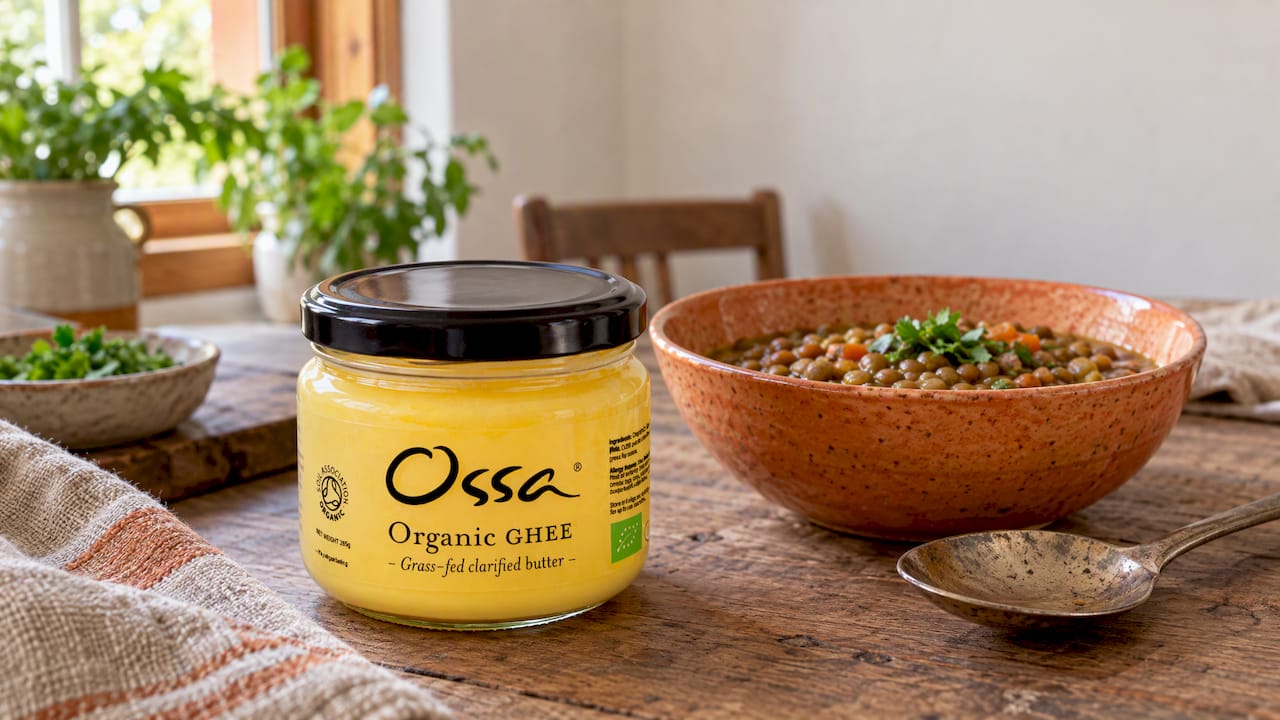
Our organic grass-fed ghee is traditional clarified butter from British cows grass-fed to organic standards. If you are building a kitchen around gut-friendly staples, you can also look at our bone broths, collagen and grass-fed fats or the gut health bundles, which put several of these together. For readers following a staged approach such as GAPS, our guide to broth at each GAPS stage explains what to sip and when.
If you cook at high heat and want a second fat, our blog explains why pasture diversity matters for tallow, which applies to the same thinking about how animals are raised.
What does help digestion
If your goal is better digestion, the habits with the strongest backing are not exotic. They are mostly about the basics, and they are well covered in this guide to improving digestive health, which sets out simple, evidence-based steps.
In short:
Eat fibre from varied sources. Aim for around 30g a day and build up slowly. Different plants feed different gut bacteria.
Drink enough fluid. Fibre needs water to do its job.
Eat regularly and slowly. Rushed meals can leave you bloated.
Manage stress and sleep. The gut and the nervous system are closely linked.
Keep a food and symptom diary. If you suspect a trigger, a written record is more reliable than memory, and it gives your GP or dietitian something concrete to work with.
Do not cut out whole food groups on a hunch. Unsupervised elimination can leave gaps in your diet. Ask a registered dietitian for help.
Ghee can sit comfortably inside this approach. It just should not stand in for any of it.
Ghee for gut health: a short checklist
Before you add ghee for your digestion, ask yourself:
Am I eating enough fibre and drinking enough fluid already?
Do I have gallbladder trouble, high cholesterol or a diagnosed gut condition that means I should ask first?
How much saturated fat am I eating from other foods?
Am I expecting a cure? If so, ghee will disappoint. If I want a good cooking fat, it will not.
Have I introduced it gradually, one teaspoon at a time, and noticed how I feel?
If the answers are reassuring, a teaspoon or two of ghee in your cooking is a reasonable, enjoyable choice.
FAQ
Does ghee help digestion?
Ghee is easy to tolerate for many people because it contains very little lactose and casein, and it is traditionally eaten with simple meals. There is no strong clinical evidence that it improves digestion or treats digestive disorders. Think of it as a well-liked cooking fat, not a remedy.
Is ghee good for gut health?
It can be part of a gut-friendly diet, but it is not a gut-health food in itself. The butyrate it contains is mostly absorbed before it reaches the colon, where gut bacteria make most of the butyrate your bowel uses from fibre. For your gut, fibre-rich plants do more than ghee does.
Can ghee help with constipation?
There is no clinical evidence that ghee treats constipation. The NHS advice is to eat more fibre, drink plenty of fluids and stay active. If constipation lasts for weeks or comes with blood, pain or unexplained weight loss, see your GP.
How much ghee is safe to eat daily?
There is no official daily limit for ghee. Because it is mostly saturated fat, and UK guidance advises keeping saturated fat to no more than about 10% of your food energy, a teaspoon or two a day is a common and sensible amount. Your own limit depends on everything else you eat, so ask your GP or a dietitian if you have high cholesterol or gallbladder problems.
Does ghee help leaky gut?
No clinical evidence shows that ghee repairs the gut lining or treats leaky gut. If you have ongoing bloating, pain or changes in your bowel habit, see your GP for proper assessment instead of relying on a single food.