The best healthy travel snacks combine protein or healthy fat with fibre, survive a few hours without a fridge and need no preparation when you eat them. Whole fruit with nuts, oatcakes with nut butter, plain popcorn and roasted chickpeas meet all three tests. For flights from UK airports there is a fourth test: whether the item counts as a liquid at security.
This guide covers car journeys, trains and coaches, and flights. It lists what to pack, how to keep chilled food safe, which foods cause trouble at airport security and which cause trouble at a border.
Ossa Organic
Choose Nourishing Food on the Go
Ossa Organic makes foods with organic ingredients and slow cooking techniques, rooted in a tradition of nourishing meals.
TL;DR
-
Build each snack as a pairing: protein or healthy fat plus fibre (apple and almonds, oatcakes and nut butter, hummus and carrot sticks).
-
Shelf-stable solids suit flights and long days. Chilled foods need an insulated bag, frozen gel packs and a cold start.
-
At UK airport security, yoghurt, hummus, soup, jam, honey and spreads can count as liquids, so they fall under the 100 ml rule in hand luggage.
-
Security rules and import rules are separate. Meat, dairy and honey can be restricted at the destination even if they pass the scanner.
-
Pre-portion calorie-dense foods such as nuts and trail mix so a bag lasts the whole journey.
Table of Contents
What makes a snack good for travelling
A snack that is healthy at home is not always healthy on the move. Travel changes the conditions: no fridge, irregular mealtimes, limited choice at a motorway service station or terminal, and often a long gap between meals. Registered-dietitian guidance tends to come back to three practical properties.
-
It travels safely. It will not spoil, leak or crush in a bag over several hours.
-
It needs little preparation. You can eat it in a car seat, on a train table or in a boarding queue without a knife, bowl or sink.
-
It combines nutrients. Protein, fibre or slow-release carbohydrate keep hunger away for longer than sugar alone.
The aim is not a special travel diet. It is to stop hunger turning into a decision made at a petrol station forecourt, where the nearest options are usually pastries, crisps and sugary drinks. Packing the decision in advance is the whole strategy.
The pairing rule
Single foods rarely do the job. A banana is fine, but a banana with a handful of almonds lasts longer. Pairings are the pattern that recurs across professional travel guidance:
| Pairing |
Why it works |
Keeps without a fridge? |
| Apple and almonds |
Fibre plus protein and fat |
Yes |
| Wholegrain crackers and nut butter |
Slow carbohydrate plus fat |
Yes |
| Hummus and carrot or pepper sticks |
Plant protein plus fibre |
No, keep chilled |
| Yoghurt and fruit |
Protein plus natural sugar |
No, keep chilled |
| Trail mix without sweets |
Nuts, seeds and dried fruit in one bag |
Yes |
| Roasted chickpeas and a satsuma |
Crunch, protein and fibre |
Yes |
| Oatcakes and cheese |
Complex carbohydrate plus protein |
Short periods only |
Pre-portion the calorie-dense items. Nuts and trail mix are easy to overeat straight from a large bag when you are bored in traffic. Small bags or reusable pots set the quantity before you leave.
Healthy snacks for car journeys and road trips
A car gives the most freedom. There is no weight limit, no security check, and you can bring a cooler bag. That makes road trips the easiest setting to eat well, and it explains why road-trip snacks are searched for far more often than flight snacks.

Snacks that need no cooler
Keep these in a separate bag or box from the chilled items so you are not opening the cooler every few minutes:
-
Whole fruit that does not bruise easily: apples, bananas, satsumas, grapes, plums.
-
Unsalted nuts: almonds, cashews, pistachios. Pistachios in shells slow the pace of eating.
-
Trail mix without sweets: nuts, seeds and a little dried fruit.
-
Plain popcorn: a high-volume, low-calorie crunch. Choose lightly salted or plain.
-
Wholegrain crackers, oatcakes or pretzels with single-serve nut butter packets.
-
Roasted chickpeas and seed mixes.
-
Fruit-and-nut bars with a short ingredient list and little added sugar.
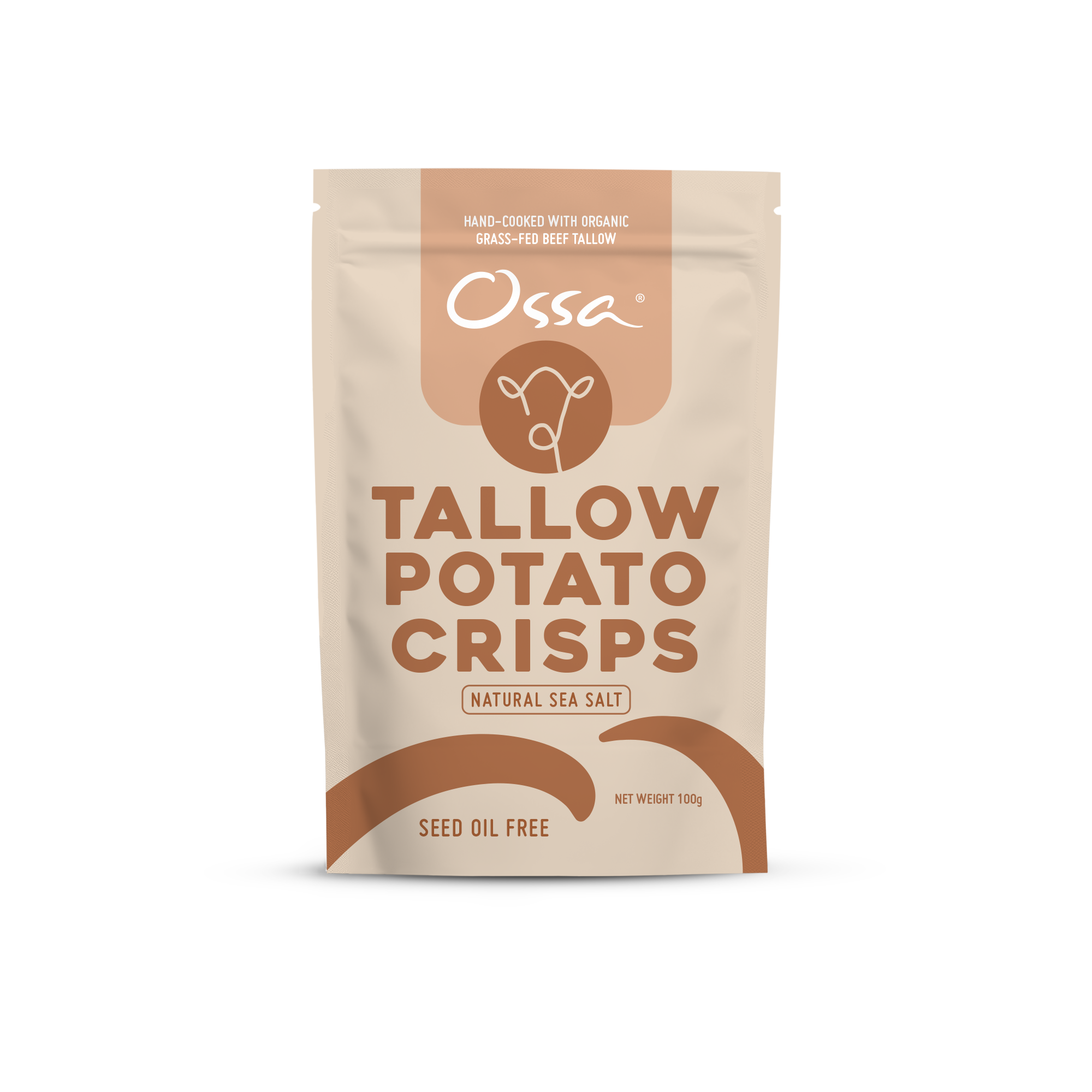
If you prefer a savoury crisp as an occasional treat, our tallow potato crisps are one option that sits alongside these staples rather than replacing them.
Snacks that need a cooler
Hummus, yoghurt, cheese, cut fruit, cut vegetables and wraps with fillings all need to stay cold. Good options include baby carrots, mini cucumbers, sliced peppers, celery, snap peas, hummus pots, cheese portions and wholegrain turkey or ham roll-ups.
The Food Standards Agency gives specific guidance on keeping food safe on a picnic, and it applies equally to a car boot. The main points:
-
Use an insulated container with ice or frozen gel packs.
-
A cooler only helps when it starts cold, so prepare chilled snacks from refrigerated ingredients.
-
Keep the lid closed as much as possible. Where you can, put drinks in a separate bag so they are the thing people open repeatedly.
-
Use washable containers, and clean your hands or surfaces before eating.
Put the cooler in the passenger footwell or the shaded part of the car rather than the boot in summer. Food taken out of the cooler and left on a seat in warm weather should not go back in for later.
A realistic road-trip box
For four people on a five-hour drive, a sensible split looks like this:
-
A cooler bag with hummus, four small cheese portions, two bags of washed carrot sticks, mini cucumbers and grapes.
-
A dry bag with four apples, four bananas, a bag of unsalted almonds divided into four pots, a pack of oatcakes, and single-serve nut butter.
-
A large refillable bottle of water per person, plus one spare.
Nothing in that list needs a plate. Everything can be eaten by the driver at a service stop in a few minutes or by passengers while moving.
Healthy snacks for flights from the UK
Flying adds constraints. You carry everything, security staff may inspect it, and cabin food is limited and often sold at a premium. Dietitian guidance for air travel points to portable foods that do not require refrigeration, drinking water through the flight, limiting sugary drinks and alcohol, and choosing lower-salt foods.
Good flight snacks:
-
Whole fruit such as apples, bananas or satsumas (check the destination rules, below).
-
Unsalted nuts and homemade trail mix without sweets.
-
Plain popcorn.
-
Wholegrain snack bars and oatcakes.
-
Roasted chickpeas.
-
Sandwiches made with wholegrain bread, if eaten during the journey.
Carry an empty refillable bottle through security and fill it afterwards. Drinks must comply with the airport liquid rules, so a full bottle will not get through.
What counts as a liquid at UK security
The line is not simply solid versus liquid. GOV.UK’s guidance on liquids in hand luggage lists drinks and liquid or semi-liquid foods, and gives soup, jam, honey and syrups as examples. In practice yoghurt, hummus, sauces and spreads can be treated the same way. Liquid containers in hand luggage are generally limited to 100 ml each and must fit in a resealable transparent bag, subject to the instructions at your departing airport. The guidance also advises packing liquids in hold luggage where possible.
| Food |
Likely treatment in hand luggage |
Better option |
| Apple, banana, satsuma |
Solid, usually fine |
Pack as is |
| Unsalted nuts, trail mix |
Solid, usually fine |
Pre-portion in a bag |
| Oatcakes, crackers, bars |
Solid, usually fine |
Pack as is |
| Hummus pot, yoghurt |
Semi-liquid, 100 ml rule |
Buy after security or put in hold luggage |
| Nut butter jar |
Spread, 100 ml rule |
Single-serve packets under 100 ml, or hold luggage |
| Honey, jam |
Named as liquids by GOV.UK
|
Hold luggage |
| Soup, broth |
Liquid |
Hold luggage, or buy after security |
| Water or any drink |
Liquid |
Empty bottle, fill after screening |
Powders and some foods can also trigger additional manual screening. Keep snacks in one easy-to-reach bag so staff can inspect them quickly. Airport procedures are reviewed from time to time, so check your departing airport’s page shortly before you travel. The CAA also publishes a guide on what you can take through airport security.
The second check: the destination
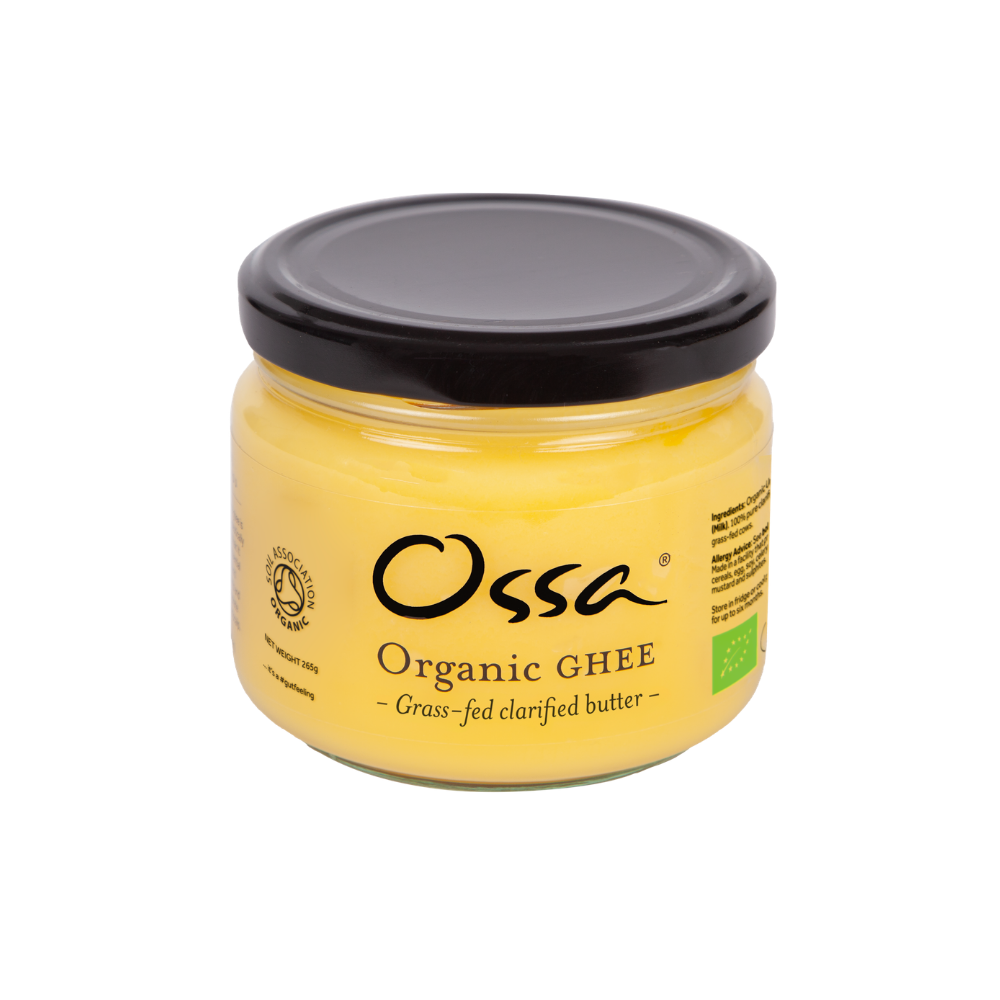
Passing security does not mean the food can enter the country you are flying to. Import rules are separate. GOV.UK guidance on bringing food into the UK shows that restrictions vary by country of departure and destination, and that meat, dairy and honey are among the items controlled. Dried meat, cheese, butter and ghee may be prohibited or limited on some journeys. Fruit and vegetables are also controlled in many places.

If you are returning to Northern Ireland, the Department of Agriculture, Environment and Rural Affairs publishes a summary of personal food import restrictions with additional arrangements.
The practical rule: for a flight abroad, favour nuts, seeds, oatcakes, bars and popcorn, and eat fresh fruit and anything animal-based before landing. Check the official guidance for your destination before packing jerky, cheese, ghee or bone broth.
Trains, coaches and commuter days
Trains and coaches sit between a car and a plane. There is usually no security restriction, but you also have no cooler and limited space. A table is not guaranteed.
The simplest approach is a small insulated lunch bag with one frozen gel pack. That keeps a pot of hummus, a yoghurt and a handful of sliced vegetables cold for a morning or afternoon. Add a dry pocket of nuts, oatcakes and fruit. Choose foods that are tidy:
-
Oatcakes with nut butter rather than a loose-filled sandwich.
-
Whole fruit rather than cut fruit that leaks.
-
Cheese portions rather than a wedge needing a knife.
-
A sealed pot of olives, or a few boiled eggs in their shells for a short, cool journey.
If you are travelling for work and eating at a desk or station, the same principle applies: pack two snacks, not one, because delays are common. Our guide to preservative-free lunch ideas is useful when the snack needs to become a proper meal.
Buying well when you forget to pack
Plans fail. When you are in a terminal, a station or a motorway services, the fallback is to look for the minimally processed option:
-
Fruit cups or whole fruit.
-
Pre-cut vegetables with hummus.
-
Salads with a lean protein.
-
Vegetable soup, if you have time to sit down.
-
Wholegrain sandwiches.
-
Cheese sticks.
-
Plain nuts rather than coated or honey-roasted ones.
Read the label on bars. Many look healthy but are mostly sugar. A useful rule is to prefer bars with a short ingredient list built around nuts, seeds and fruit, and to compare added sugar between products.
Keeping snacks safe: a short checklist
Food poisoning is a worse travel companion than hunger. Before you leave:
-
Start with cold food. Refrigerate ingredients and containers overnight, and freeze gel packs.
-
Pack the cooler last and keep it out of direct sun.
-
Separate raw and ready-to-eat foods, and use washable containers.
-
Clean your hands or use wipes before eating.
-
Open the cooler as little as possible.
-
Throw away perishable food that has been out of the cold for a long period, rather than hoping it is fine.
If you carry cooked foods such as broth, the same cold-chain principle applies. Our page on how long bone broth lasts in the fridge, freezer and on the shelf sets out the timelines, and the guidance on how to reheat bone broth safely is worth reading before a long day away from a kitchen.
Our perspective on travel snacks
We approach travel food the way we approach everything else: start with ingredients you can name, and avoid products built around preservatives and artificial additives. Ossa Organic is a family-run business, and a lot of family life involves cars, trains and bags of food for children.
Three principles guide how we pack:
-
Whole foods first. Fruit, nuts, seeds and slow-cooked, minimally processed foods carry better than anything engineered to last on a shelf for months.
-
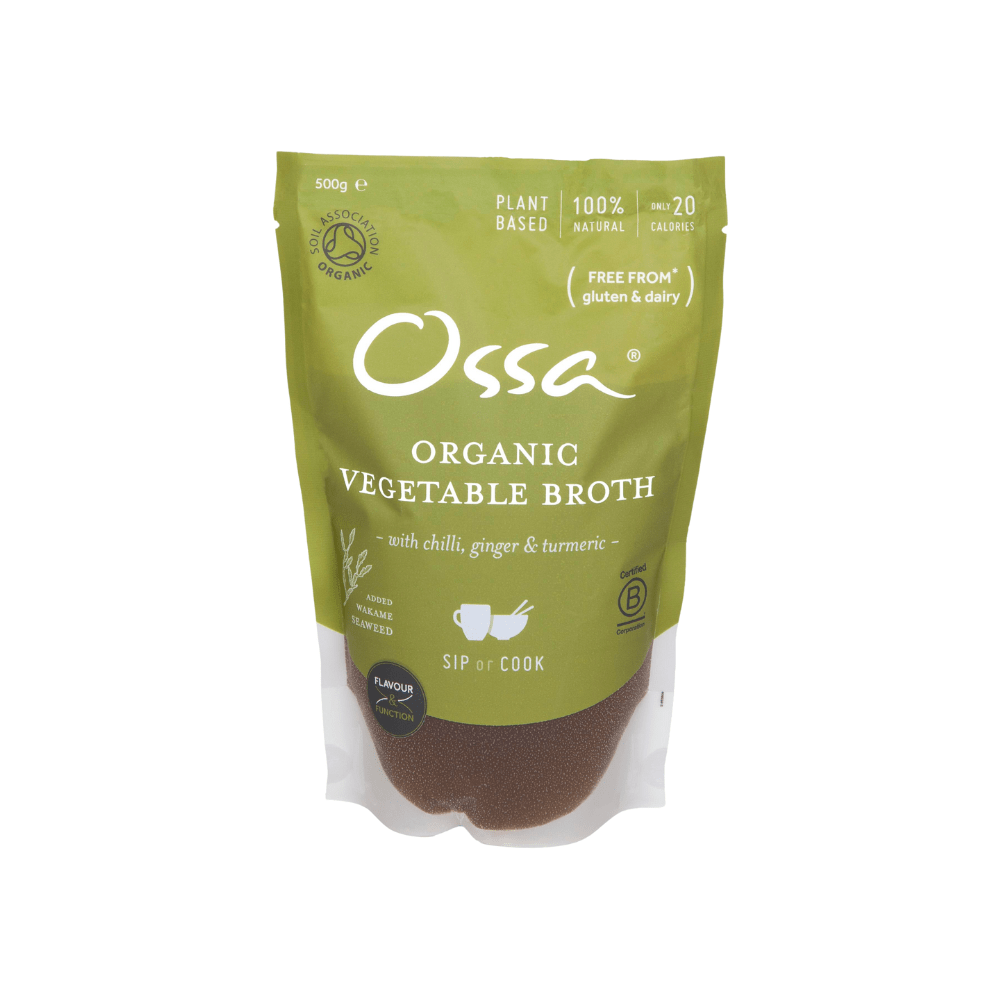
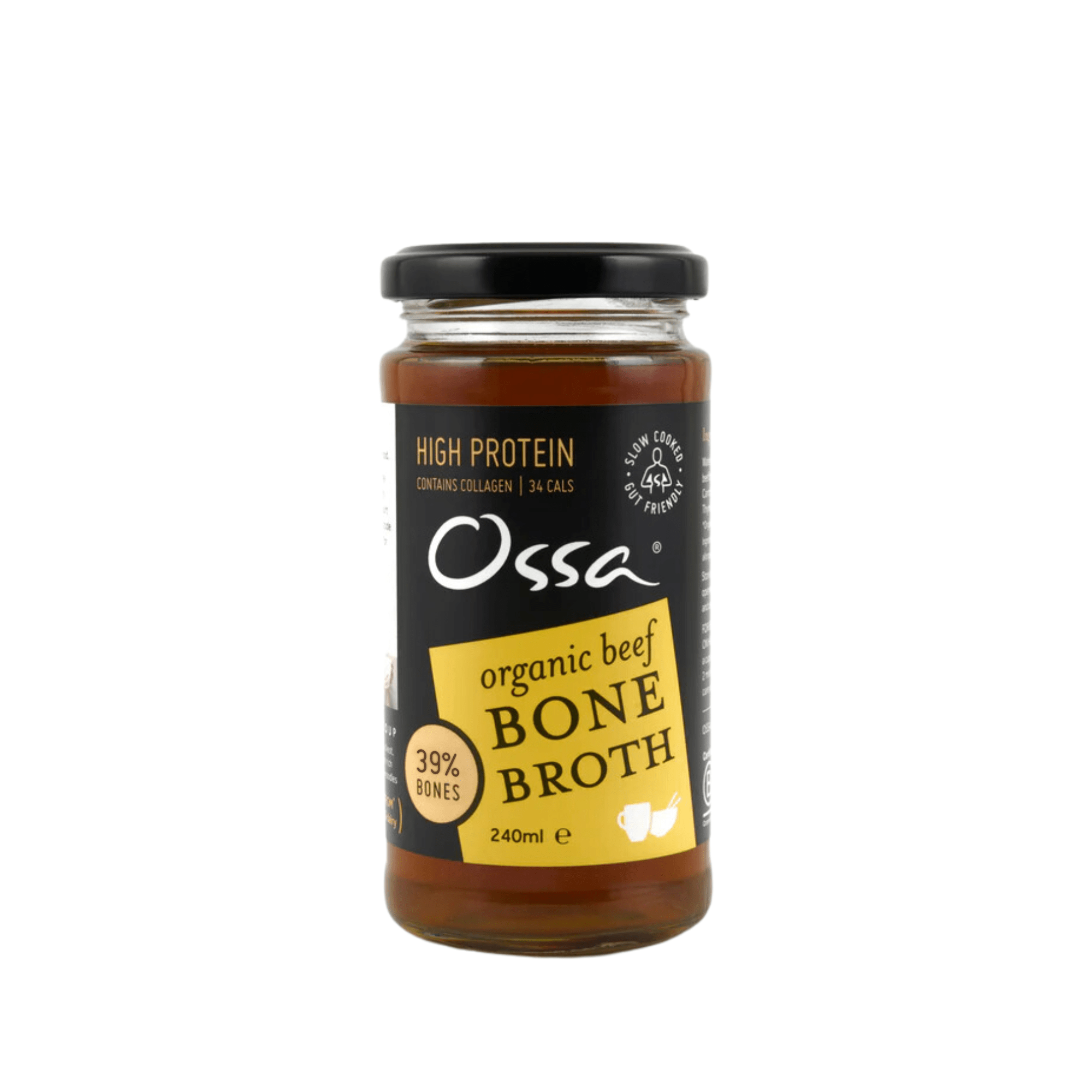
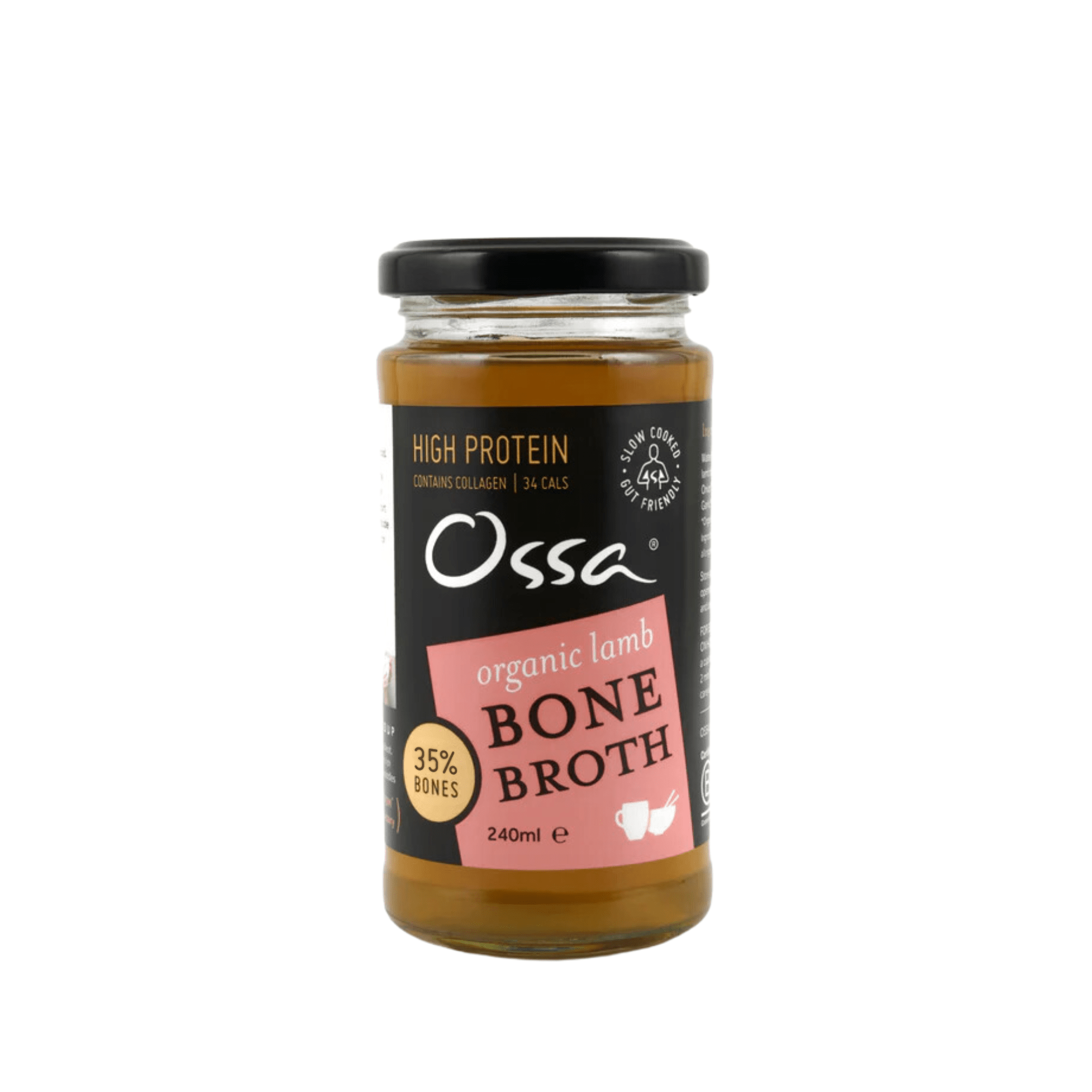
Warm drinks are an underrated travel food. A flask of broth on a cold drive is a familiar habit in our household. It is a liquid, so it works for road trips and train journeys, and it should not go in hand luggage at an airport.
-
Plan for the rules, not just the nutrition. A snack that is confiscated at security or refused at a border is not a good snack. That is why we treat airport and import rules as part of the packing list.
We also think good habits matter more than any single product. A packed bag, a bottle of water and a pairing of protein and fibre will do more for a journey than any specialist travel food.
— Ossa Organic
Ready-made packing lists
Use these as templates and swap items to suit allergies and preferences. Check labels for nuts if anyone travelling, or anyone you are sharing food with, has an allergy.
For a long drive with children
-
Cooler bag: yoghurt pots, cheese portions, sliced cucumber, grapes, hummus.
-
Dry bag: apples, satsumas, plain popcorn, oatcakes, pots of unsalted nuts (if age-appropriate and nut-safe).
-
Water bottles, and a flask for adults.
-
Wipes and a bag for rubbish.
For a short-haul flight in hand luggage
-
A bag of unsalted almonds and a few dried apricots.
-
Oatcakes or wholegrain crackers.
-
A banana and an apple, eaten before arrival if the destination restricts fruit.
-
Roasted chickpeas.
-
An empty refillable bottle, filled after security.
For a long-haul flight
-
Everything on the short-haul list, doubled.
-
A wholegrain sandwich for the first meal.
-
Fruit-and-nut bars with low added sugar.
-
A small bag of plain popcorn.
-
Lower-salt choices overall, and water through the flight rather than sugary drinks or alcohol.
For a day on the train
-
Insulated bag with one frozen gel pack.
-
Hummus and vegetable sticks, a boiled egg or two, an apple.
-
Oatcakes and a single-serve nut butter packet.
Where Ossa Organic fits
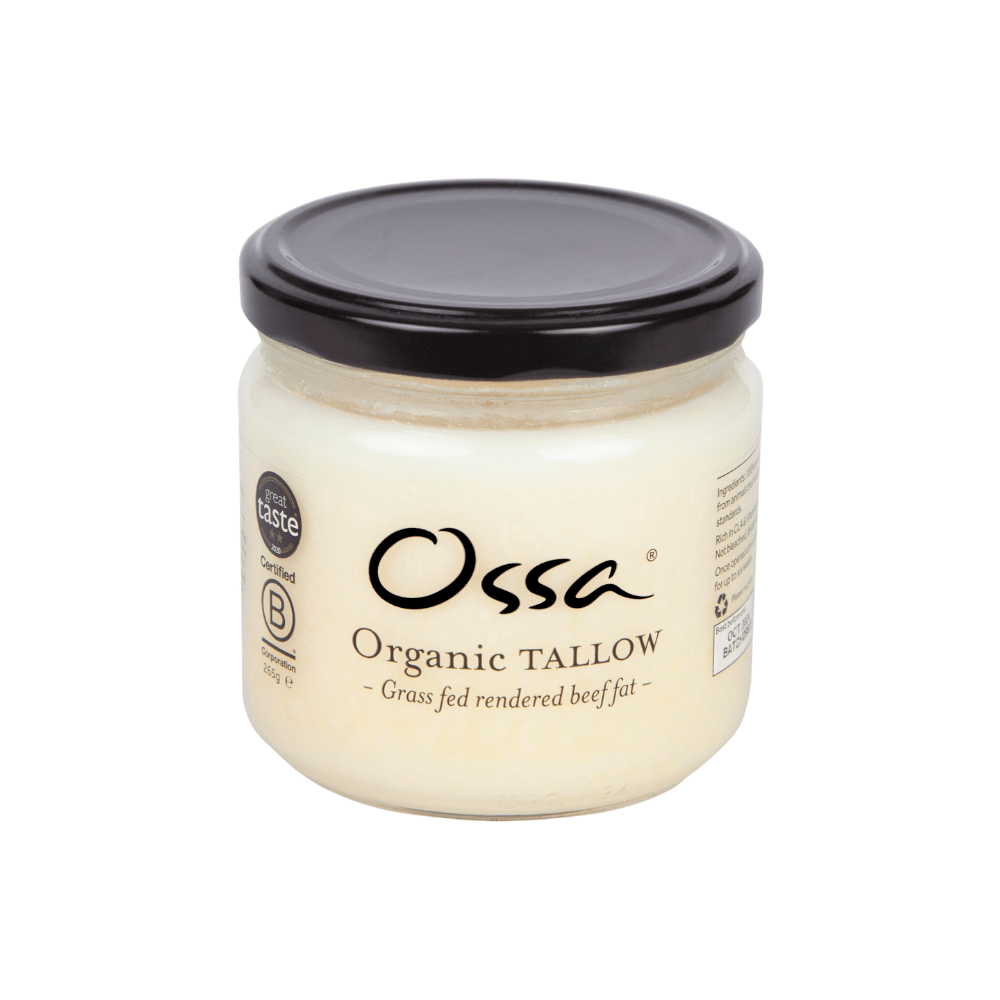
Our range is built around organic, slow-cooked and minimally processed food, free from preservatives and artificial ingredients. For travel, the relevant parts are the healthy snacks and honey, found in the shop-all collection, and the grass-fed fats and broths on our main shop. The tallow potato crisps are a ready-to-eat option for the dry bag.
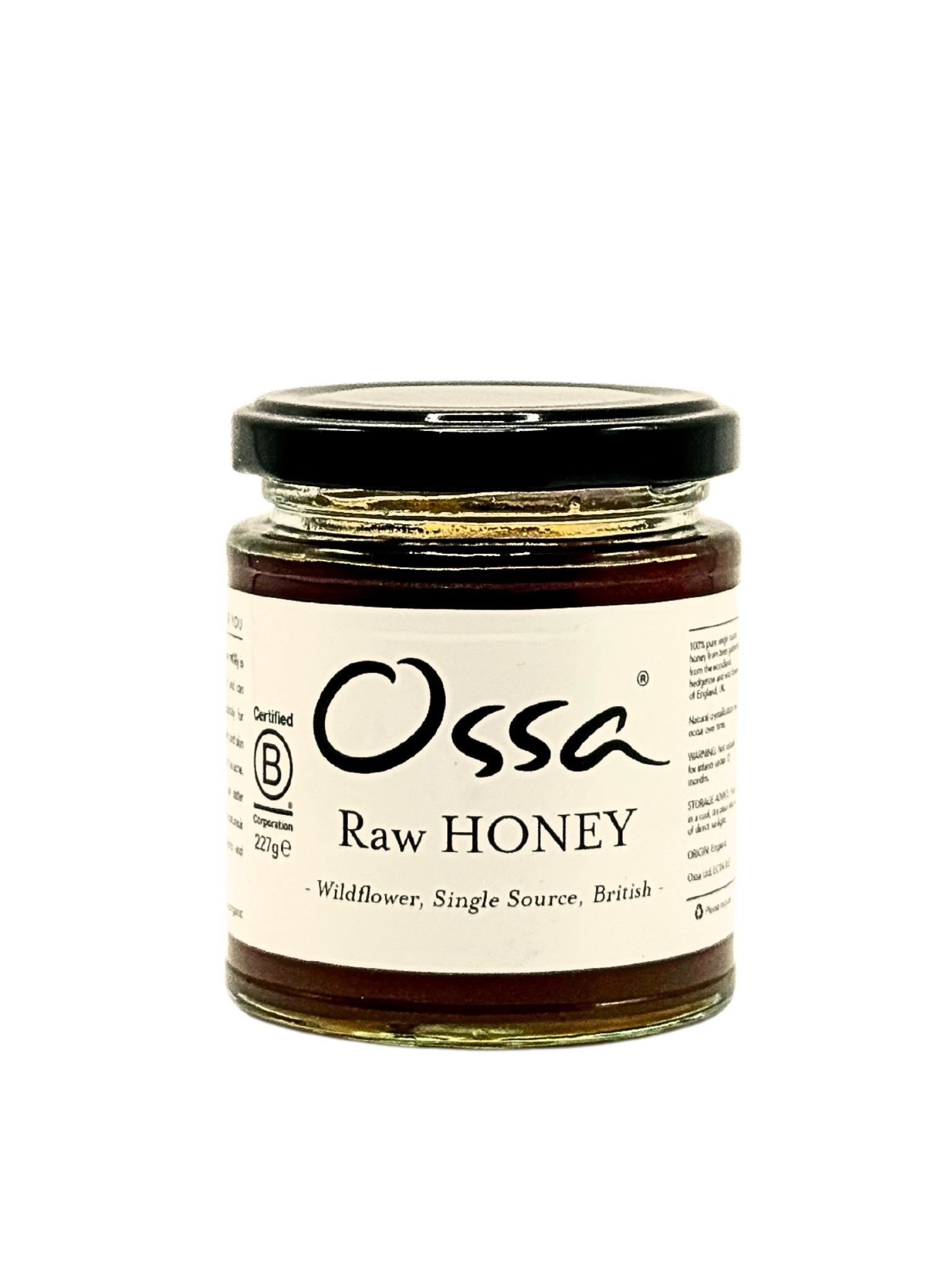
Two cautions apply. Honey and broth count as liquids at UK airport security, so they belong in hold luggage or at home when you fly. And if you are travelling abroad, check the destination’s rules before taking animal-based foods.
FAQ
What are good healthy road trip snacks?
Pair a source of protein or fat with fibre: apples with almonds, oatcakes with nut butter, carrot sticks with hummus, or plain popcorn with a piece of fruit. Keep dry foods in one bag and chilled foods in an insulated cooler with frozen gel packs. Pre-portion nuts and trail mix so they last the whole journey.
Can I bring my own food on a plane?
Yes, solid foods such as sandwiches, fruit, nuts and bars can generally go in hand luggage when departing from UK airports. Liquid and semi-liquid foods such as soup, jam, honey, yoghurt and hummus fall under the liquid restrictions, which are generally 100 ml containers in a resealable transparent bag. Separately, the country you are flying to may restrict meat, dairy, honey, fruit and vegetables, so check its official guidance.
What are the best snacks to pack for long flights?
Choose foods that need no refrigeration: whole fruit, unsalted nuts, homemade trail mix without sweets, plain popcorn, wholegrain bars, roasted chickpeas and sandwiches. Take an empty refillable bottle through security and fill it afterwards. Dietitian guidance also suggests limiting sugary drinks and alcohol and choosing lower-salt foods in the air.
How do I keep snacks cold on a car journey?
Start with refrigerated food and an insulated container, and add ice or frozen gel packs. Keep the lid closed as much as possible and put drinks in a separate bag so the cooler is opened less. Throw away perishable food that has been left out of the cold for a long time.
Are shop-bought bars a healthy travel snack?
Some are, but many are high in added sugar. Look for a short ingredient list built around nuts, seeds and fruit, and compare added sugar across products. A bar works best as a backup to whole foods, not as the main plan.
Recommended