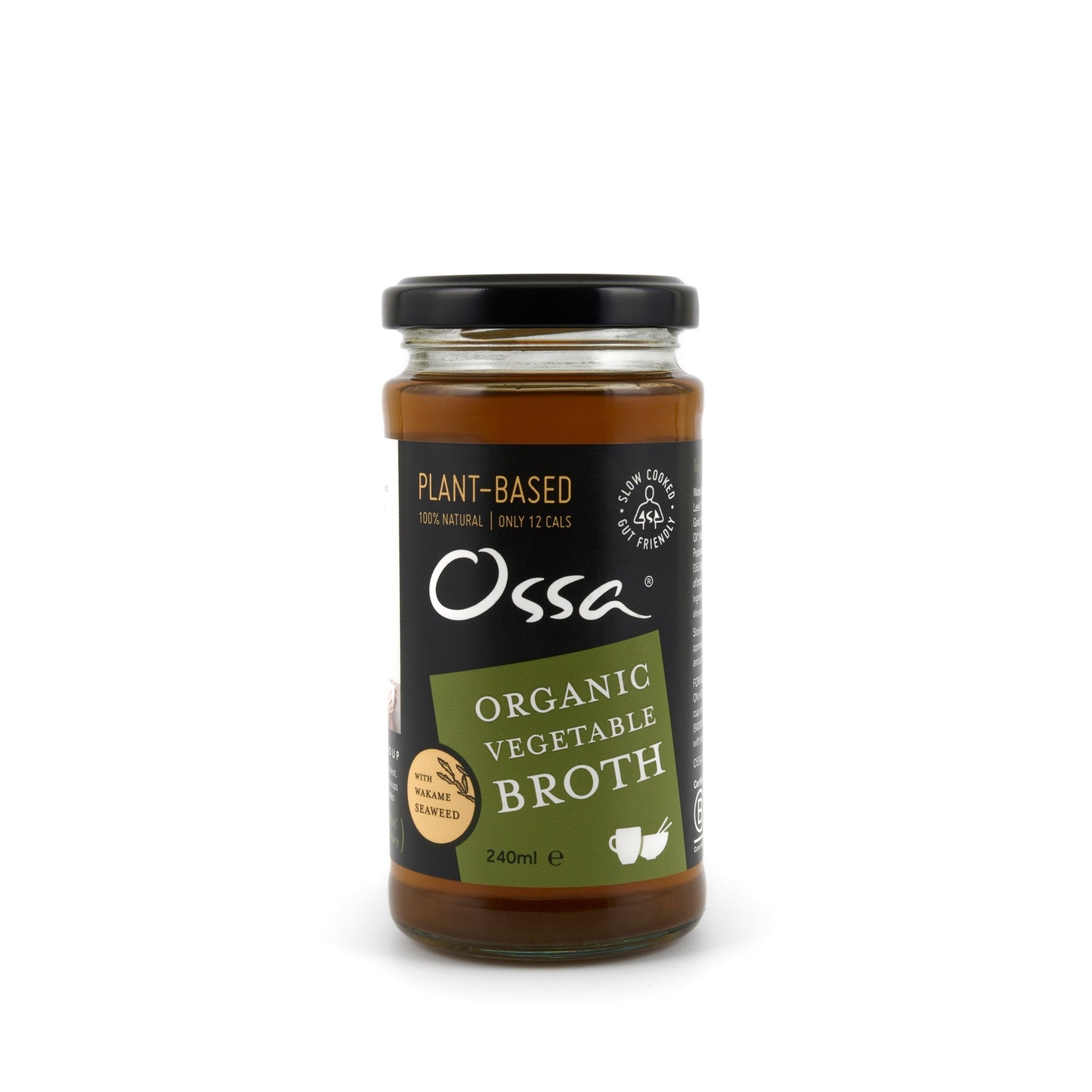
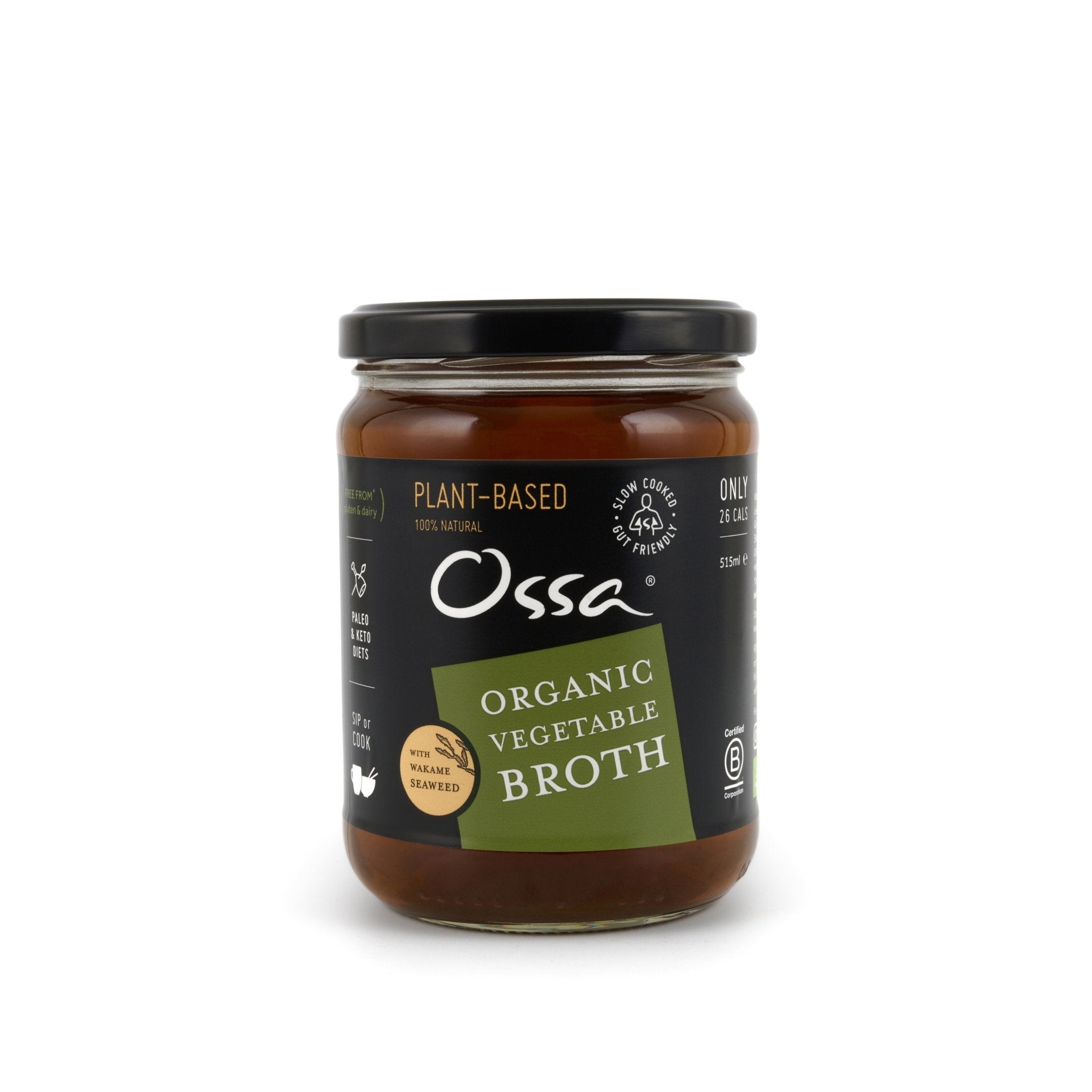
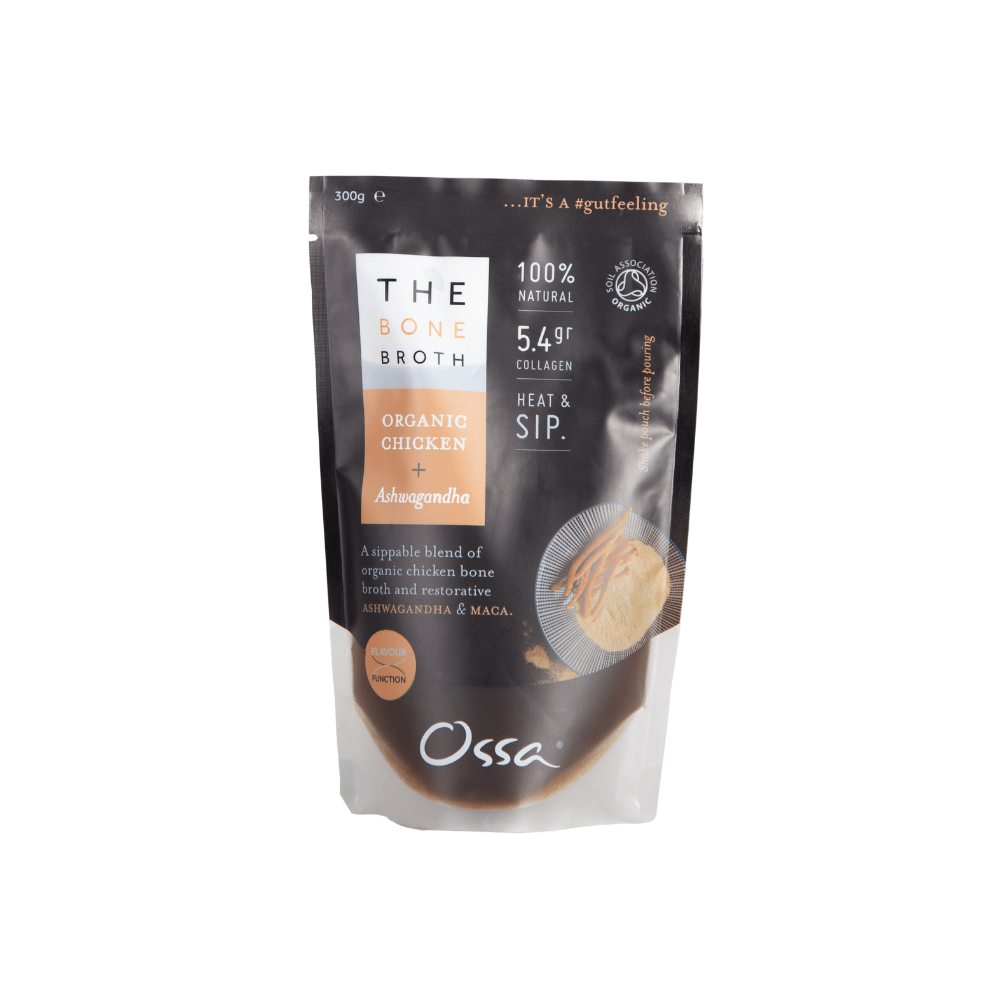
Organic ingredients
•
Naturally nourishing
•
Made with care
We've sent you an email with a link to update your password.
Reset your password
We will send you an email to reset your password.
2–4hr stock, 6–24hr bone broth: What to sip at each GAPS stage
Ralph Barrozo
0 comments
On the GAPS diet, we use short-cooked meat stock in the introduction stages and introduce long-simmered bone broth once collagen and richer fats are better tolerated. Meat stock gives a gentler glutamate profile for a healing gut, while bone broth brings greater collagen and mineral extraction for later stages. Proceed cautiously, watch symptoms closely, and check in with a dietitian or GP where needed.
TL;DR:
Meat stock is suitable for early GAPS stages due to its lighter, clearer texture and lower collagen breakdown, while bone broth is better for later stages because it offers higher collagen and mineral extraction.
Keep bone broth simmered for six to twenty-four hours at low heat to achieve a proper gel and limit histamine or glutamate buildup in sensitive individuals.
Typical mineral contributions from broth are small, often under 5 percent of daily reference intakes, so broth should complement a varied GAPS diet rather than replace other nutrient sources.
Fast cooking and commercial broths may have high sodium levels and inconsistent quality, so homemade, slow-cooked broth from quality ingredients remains the best option for GAPS.
Ossa Organic
ossaorganic.com
Bring Traditional Broth Into Your Routine
Ossa Organic makes natural foods with organic ingredients and slow cooking techniques, inspired by tradition rather than trend.
Meat stock is made mostly from meat on the bone, simmered for a short period, usually two to four hours. Bone broth uses bones themselves, often with a little meat attached, simmered far longer, from six hours up to a full day. That extra time changes what ends up in the pot.
Longer simmering and added acidity both pull more collagen and minerals out of the bone matrix, though the amount of calcium that actually transfers into each serving stays modest and varies according to analysis of metal extraction in bone broths. Meat stock, cooked briefly, yields a lighter, clearer liquid with far less collagen breakdown, which is exactly why it sits better with a gut that cannot yet handle heavier, richer foods.
A few signs tell you which you have made:
Gel when chilled: a strong wobble means real gelatin from collagen breakdown; a thin, liquid texture means you have a stock, not a broth.
Mouthfeel: bone broth feels silkier and more substantial on the tongue; meat stock feels closer to a light soup.
Clarity: meat stock tends to stay clearer; bone broth often turns cloudier as collagen and fat emulsify in.
Which preparation suits each GAPS stage
The GAPS introduction stages call for meat stock, sipped in small amounts between meals rather than gulped down with food. Keep seasoning simple: salt, maybe a little fresh herb, nothing that could irritate a gut that is only beginning to repair itself.
Introduction stages: use short-cooked meat stock only, in small sips, several times a day, alongside the other introduction-stage foods.
Early transition: once meat stock is well tolerated with no bloating, discomfort or skin reactions, trial a small cup of longer-cooked bone broth and watch for twenty-four hours.
Later stages: if bone broth sits well, increase frequency gradually and let it replace or supplement meat stock as a daily staple.
Ongoing monitoring: keep a simple symptom note (energy, digestion, skin, sleep) through each change so you can trace a reaction back to its cause.
Work through the stages with a dietitian where possible, particularly if you are managing GAPS alongside another health condition. The protocol is restrictive by design, and professional oversight reduces the risk of nutrient gaps as you progress.
How to make GAPS-friendly meat stock
Meat stock is the workhorse of the early GAPS stages, and it is simple enough to make without much kitchen experience.
You will need: organic or hormone-free meat on the bone (chicken thighs or a beef shin work well), filtered water, a splash of apple cider vinegar, and GAPS-allowed vegetables such as carrot, celery and onion in the later introduction stages.
Place the meat in a pot and cover with filtered water, leaving a couple of centimetres above the meat.
Add a tablespoon of apple cider vinegar; this helps draw out minerals without pushing extraction as far as a long cook would.
Bring to a gentle simmer, never a rolling boil, and skim off any foam that rises in the first twenty minutes.
Simmer for two to four hours, keeping the heat low throughout.
Strain through a fine sieve, discard the bones and vegetables, and reserve the meat for meals.
Cool and check for a light gel in the fridge; a soft set is normal for stock and should not be mistaken for the firmer gel of bone broth.
If your stock turns out watery, you likely used too much water for the amount of meat, or simmered for too short a time; next batch, reduce the water slightly or extend the simmer towards the four-hour mark. If it is too fatty, skim the fat layer off the chilled stock before reheating. To keep glutamate levels low for a sensitive gut, avoid extending the simmer time beyond four hours and skip adding extra bones at this stage.
Pro Tip:If a batch upsets digestion, strain off the fat, chill the stock, remove the solid fat cap, then reheat just before serving: this step alone often makes a stock sit better.
How to make bone broth for later GAPS stages
Once meat stock is well tolerated, bone broth becomes the next step, built for longer cooking and deeper extraction.
Bones: choose a mix of marrow bones, joints and a few feet or knuckles if available, ideally from organic or pasture-raised animals to limit exposure to environmental contaminants.
Acid: a tablespoon or two of apple cider vinegar per large pot helps loosen minerals from the bone during the long simmer.
Time: six to twenty-four hours on a low simmer, longer for beef bones, shorter for chicken.
Gel test: a properly made bone broth sets into a firm, wobbly gel once chilled; if it stays liquid, the cook was likely too short or the bone-to-water ratio too low.
A peer-reviewed assessment of metals in commercial and home-made broths found that typical servings usually contribute only small percentages of the daily reference intake for minerals such as calcium, magnesium, iron and zinc. Toxic metals including lead, cadmium and aluminium were generally present at low, low-hazard levels per serving under normal cooking conditions.
Even a well-made batch of bone broth rarely supplies more than a small fraction of daily mineral needs on its own, so it works best alongside, not instead of, a varied GAPS-compliant diet.
People with histamine intolerance or sensitivity to free glutamates should be cautious with long-cooked broths, since extended simmering raises both histamine and free glutamate levels and can trigger headaches, flushing or palpitations in sensitive individuals. Anyone with kidney disease should check sodium and mineral content with a clinician before making bone broth a daily habit, and sourcing organic bones remains the simplest way to reduce heavy-metal exposure over repeated servings. You can read more about collagen extraction and broth types in our guide to bone broth collagen, or follow a hands-on long-cook method in our slow-cooker bone broth recipe.
What the evidence actually supports
Bone broth and meat stock are genuinely nutrient-rich foods, but the research behind many of the claims made about them on GAPS forums is thinner than the enthusiasm suggests.
The NHS states there is no robust, peer-reviewed clinical evidence confirming that the GAPS diet treats conditions such as autism, ADHD or inflammatory bowel disease, and warns that the diet’s restrictiveness carries a risk of nutritional deficiency.
Mineral contributions from a typical serving of broth are usually small, under five percent of daily reference intakes, so broth should not be relied on as a primary source of calcium or other minerals.
Clinical-adjacent sources describe bone broth as a useful source of protein, amino acids and electrolytes, while cautioning that quality varies hugely between batches and that sodium content in some commercial broths can be high.
Prolonged simmering raises histamine and free glutamate levels, which matters for anyone managing sensitivities alongside GAPS.
Amino acids drawn from broth do play a documented role in gut lining support, covered in more detail in our piece on amino acids and gut health.
Why sourcing and slow cooking still matter to us
We began after discovering, firsthand, what a properly made broth can do for day-to-day wellbeing during pregnancy. That experience shaped a simple conviction: traditional, slow cooking and organic ingredients produce a better pot of broth than speed and shortcuts ever will.
We built our recipe resources around that belief, with guides suited to each stage of a staged approach, including lower-FODMAP variations for readers introducing broth carefully. If you want a structured recipe to work from as you progress through GAPS, our low-FODMAP bone broth guide is a practical place to start.
— Ossa Organic
Ready-made organic broths for your GAPS kitchen
Making stock and broth from scratch takes hours you might not always have, which is where our own range fits in. Every batch starts with organic bones and meat, slow-cooked the traditional way, with nothing added and nothing stripped out.
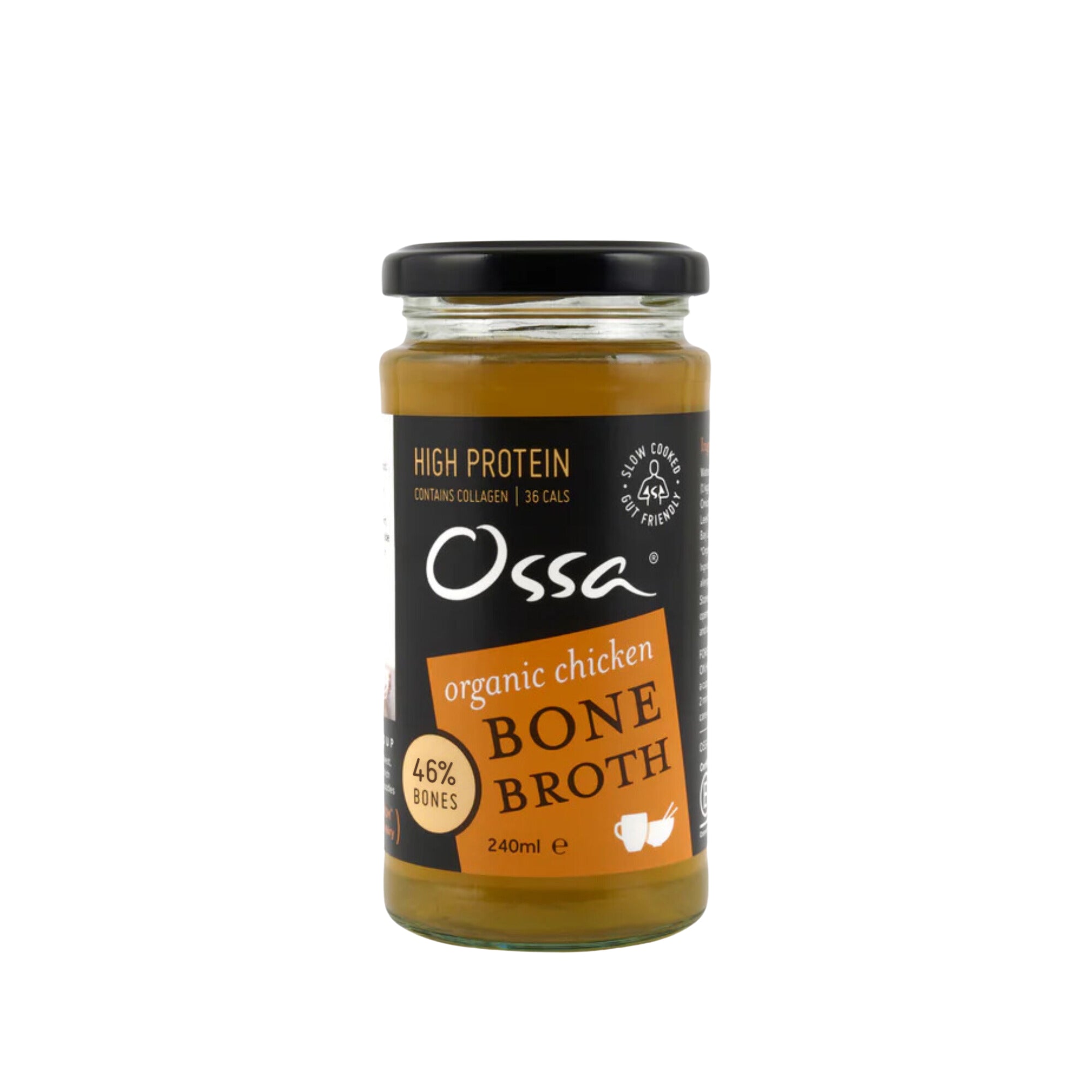
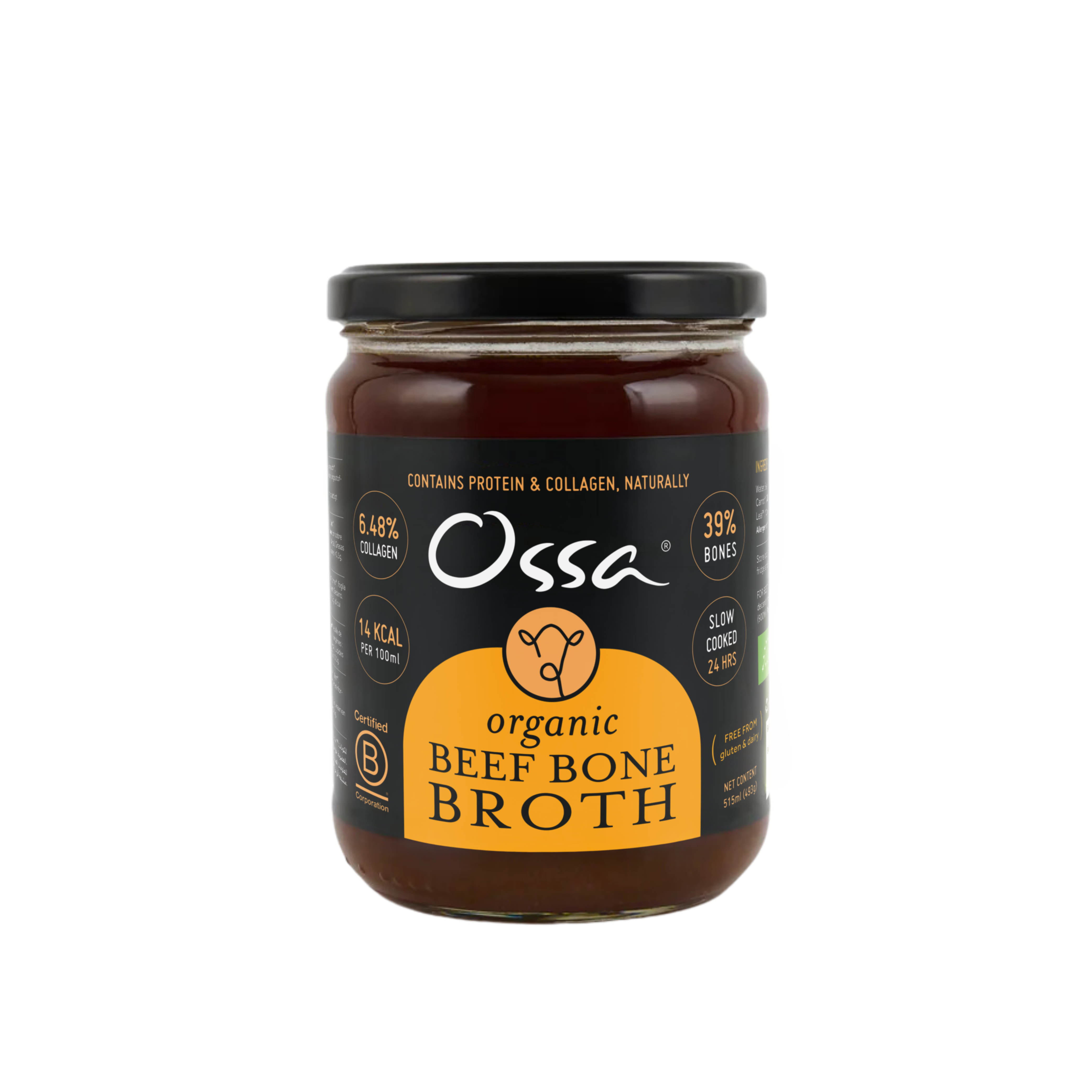
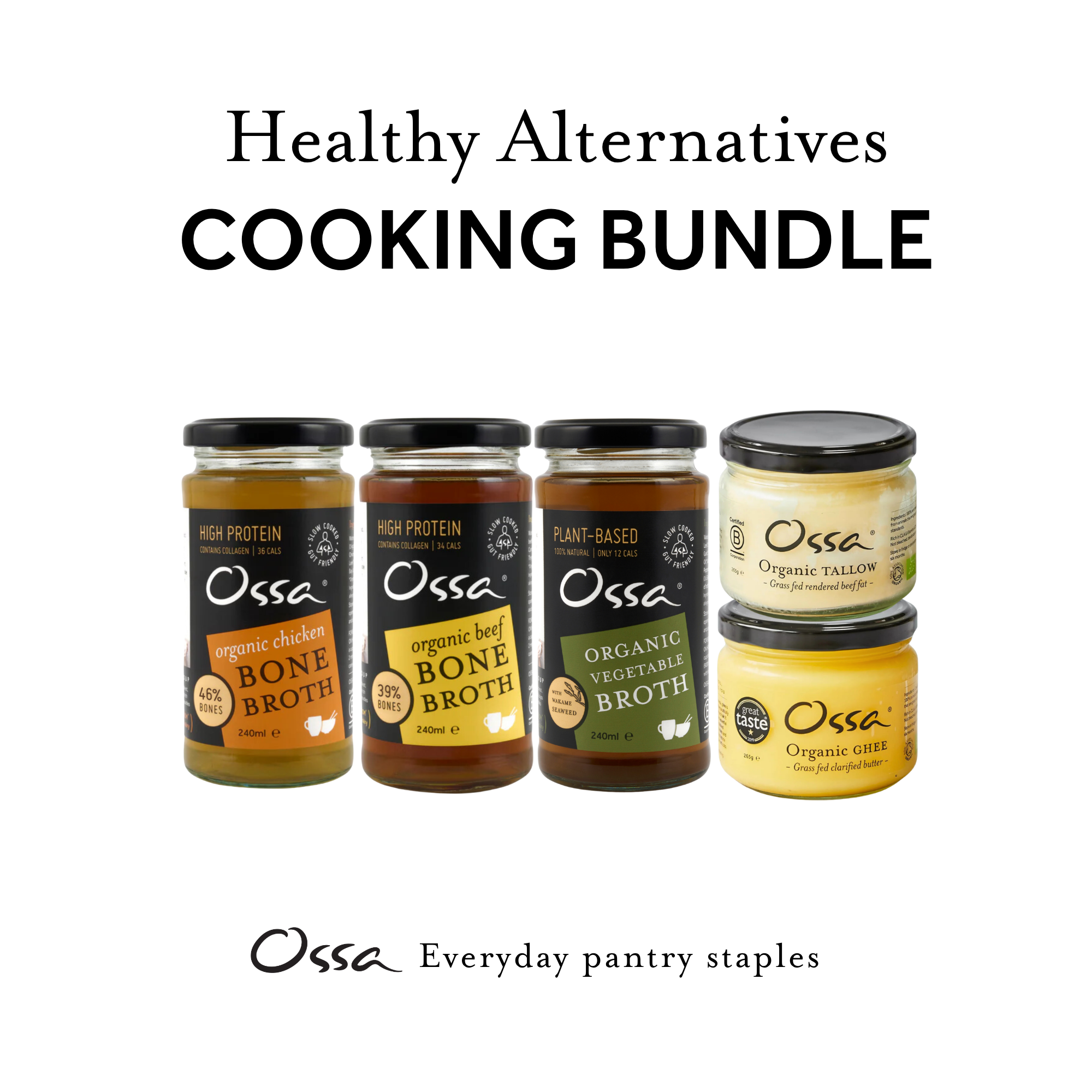
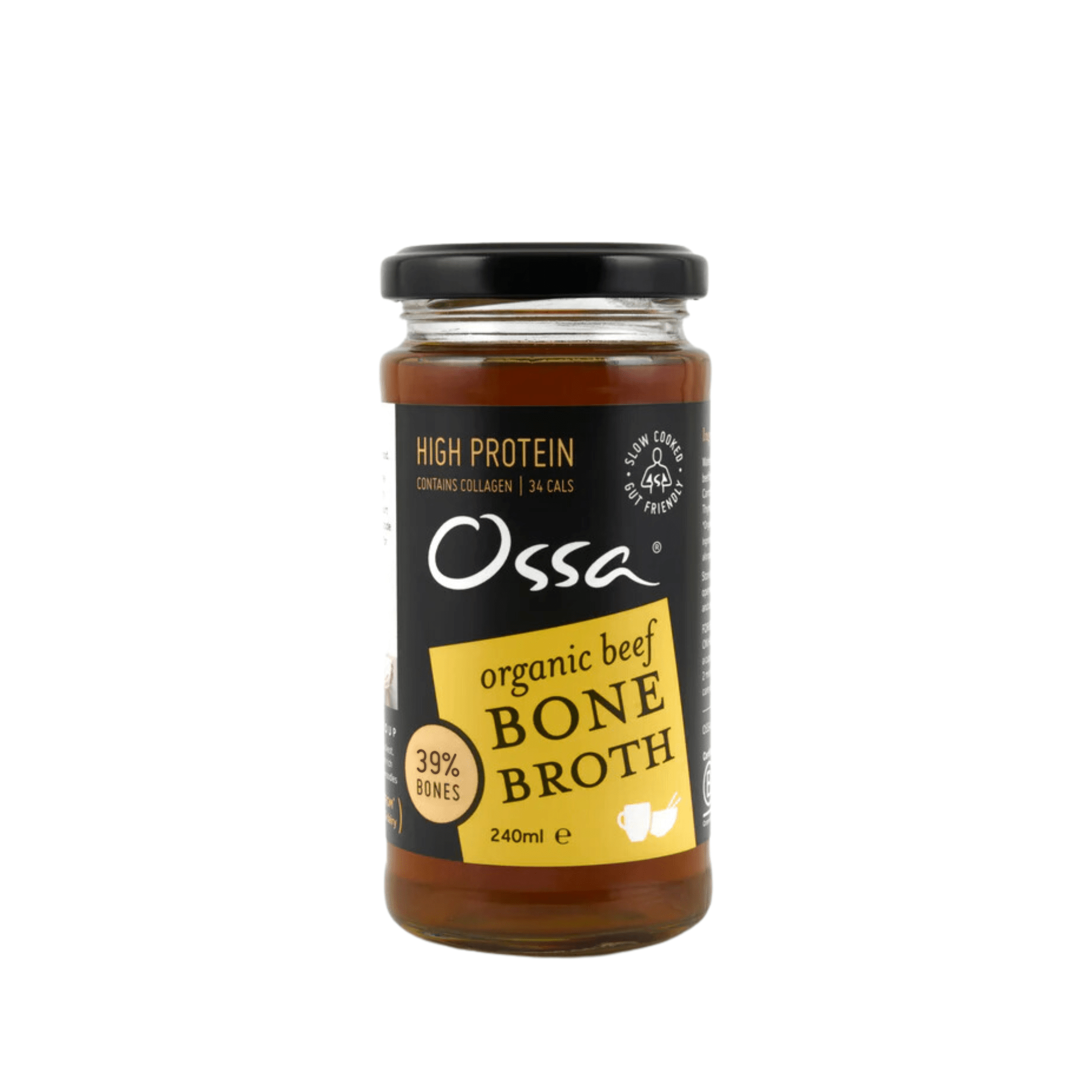
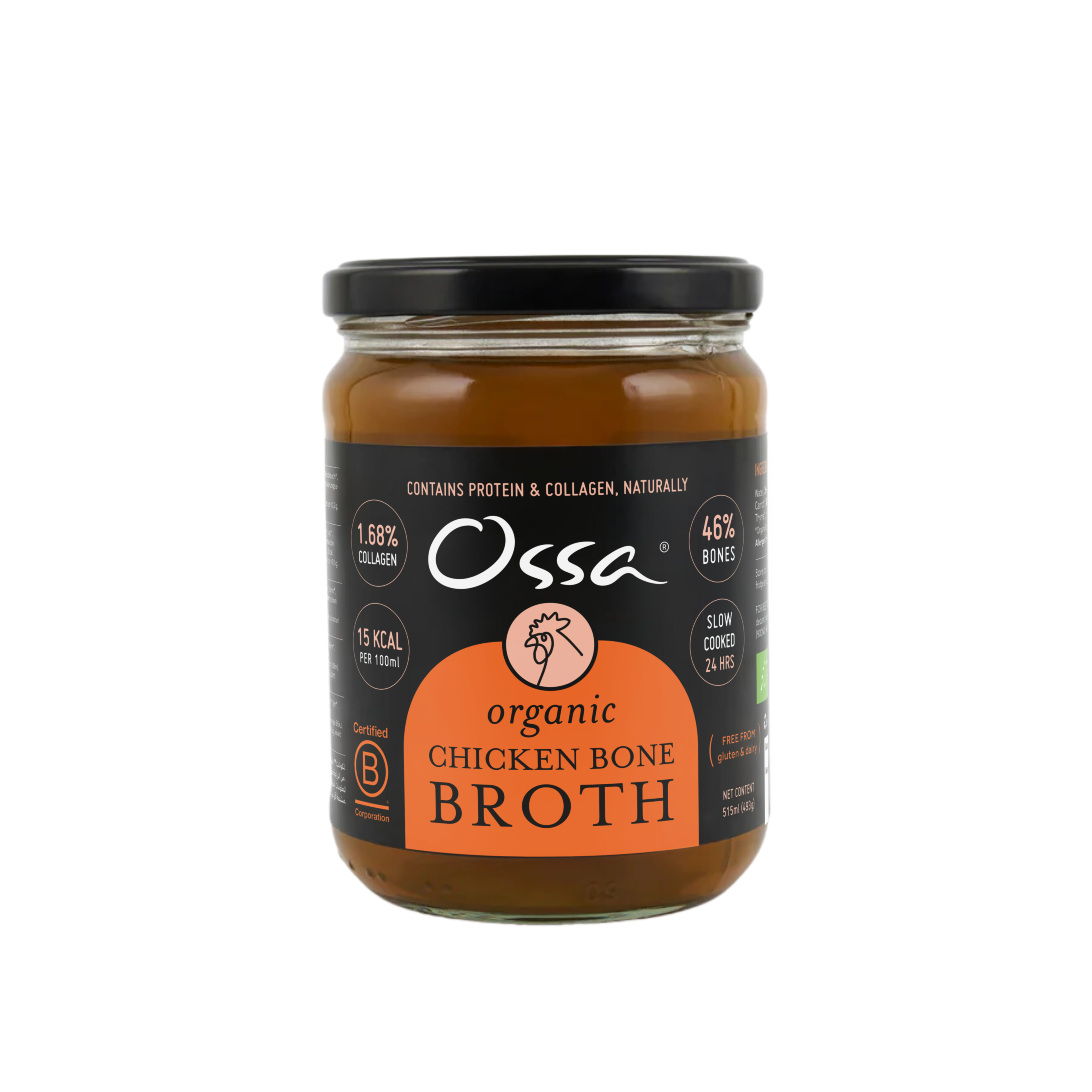
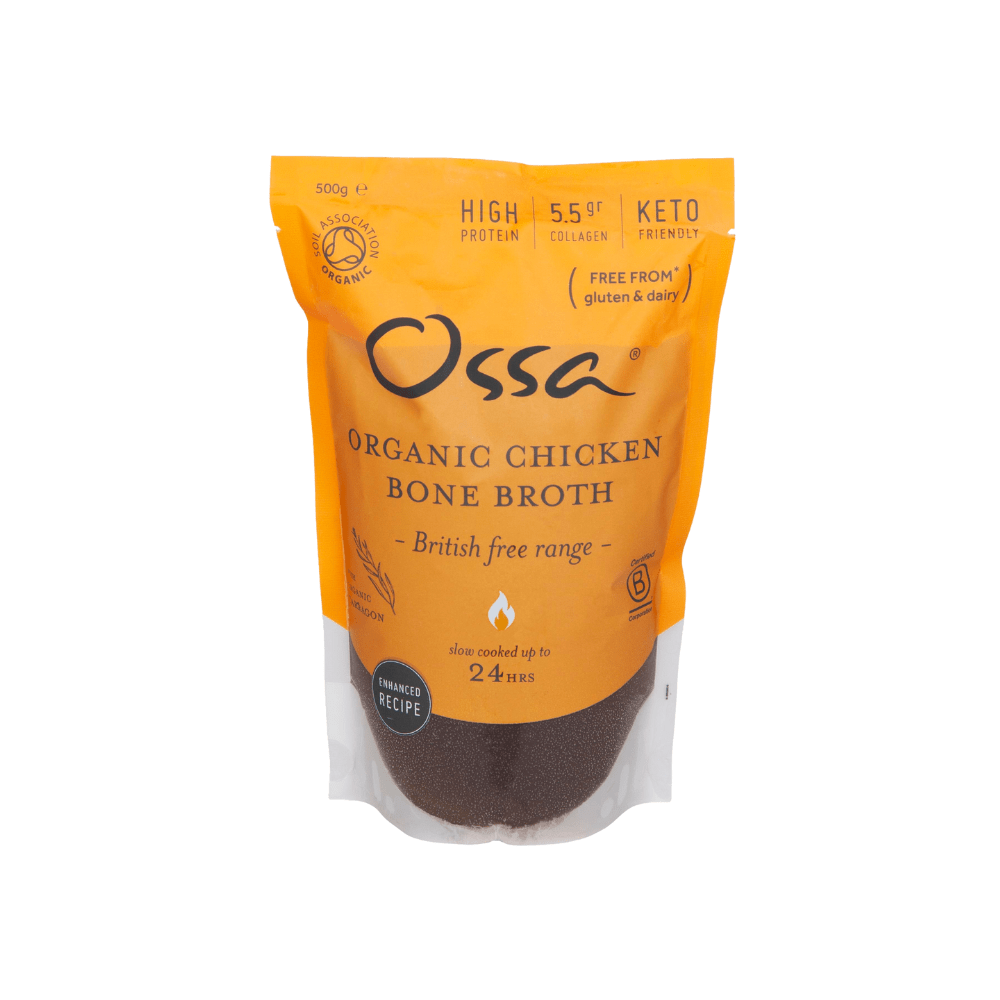
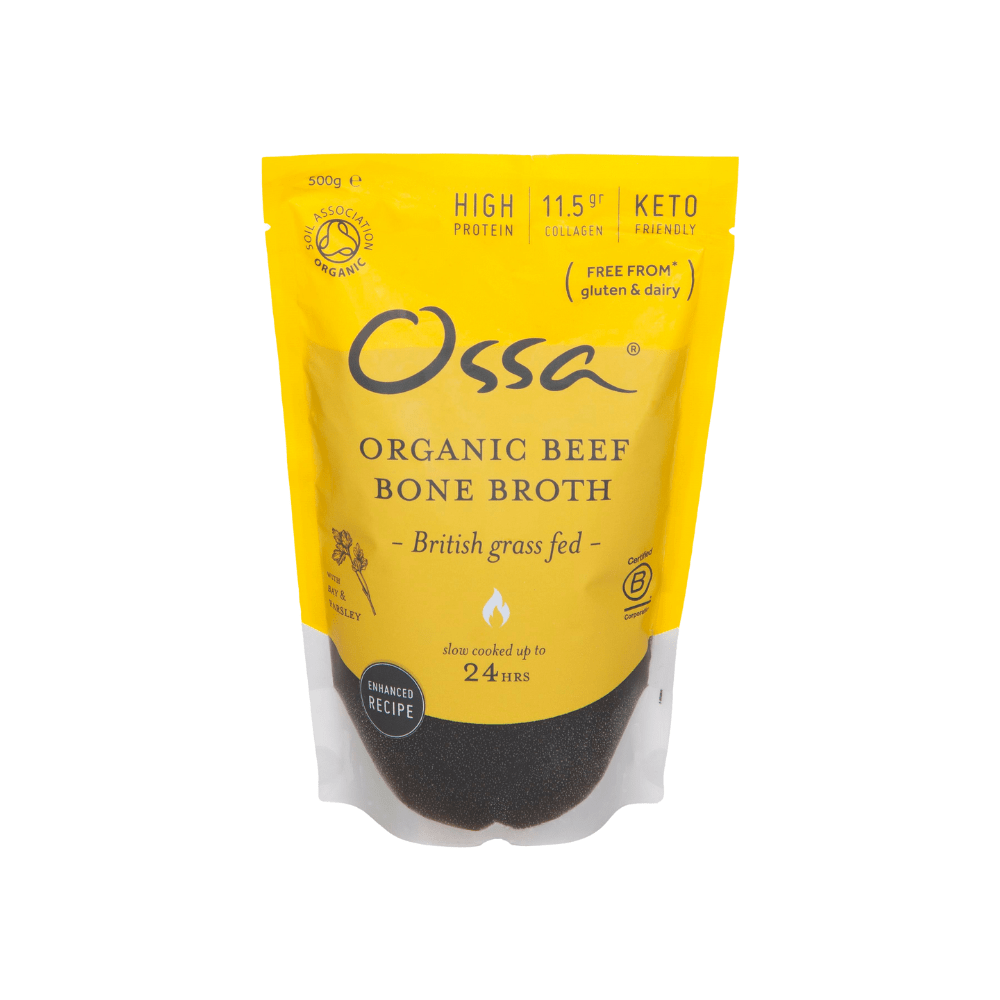
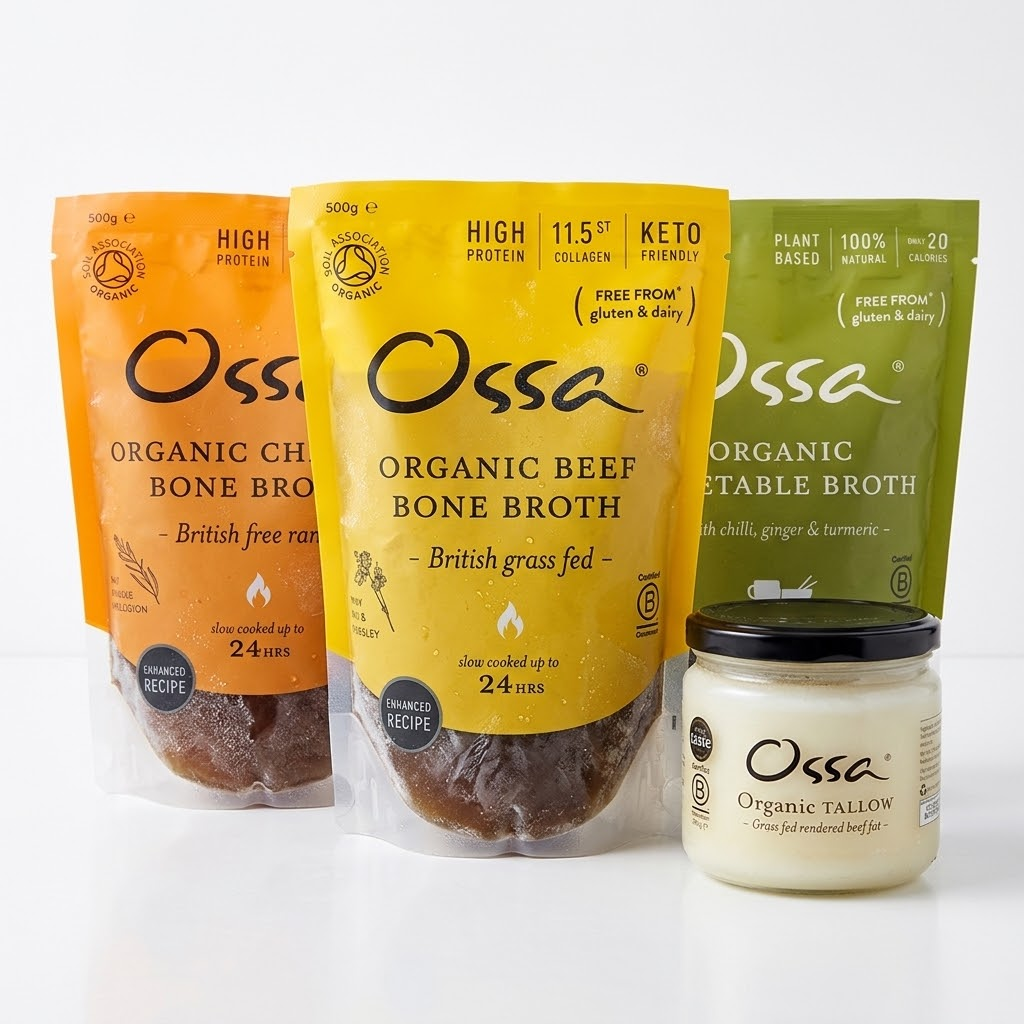
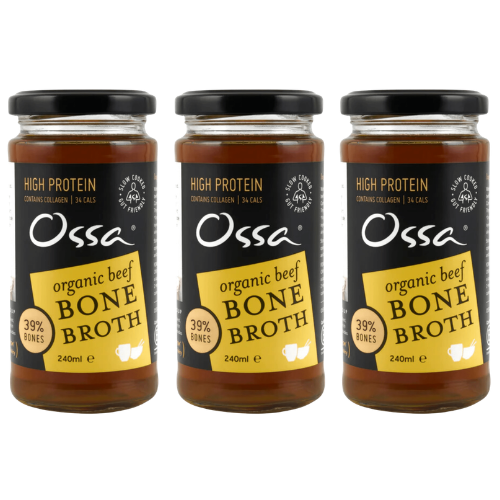
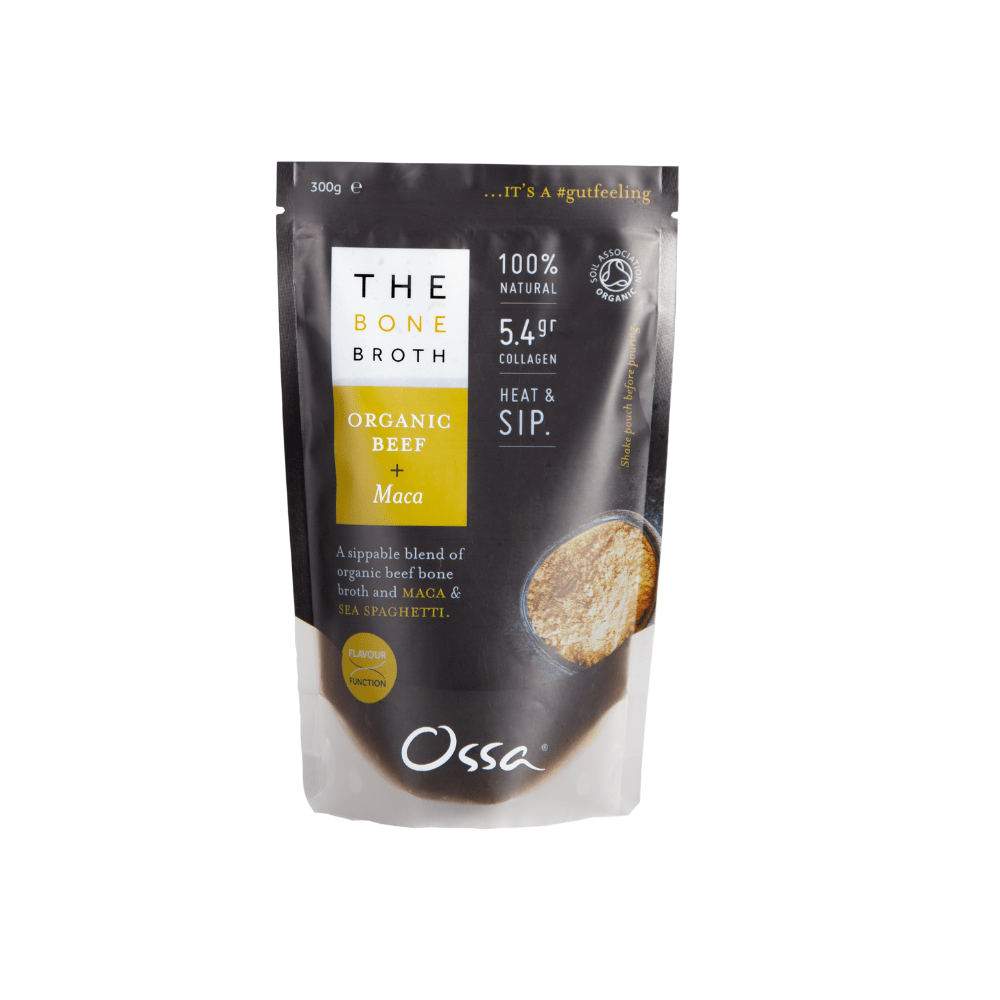
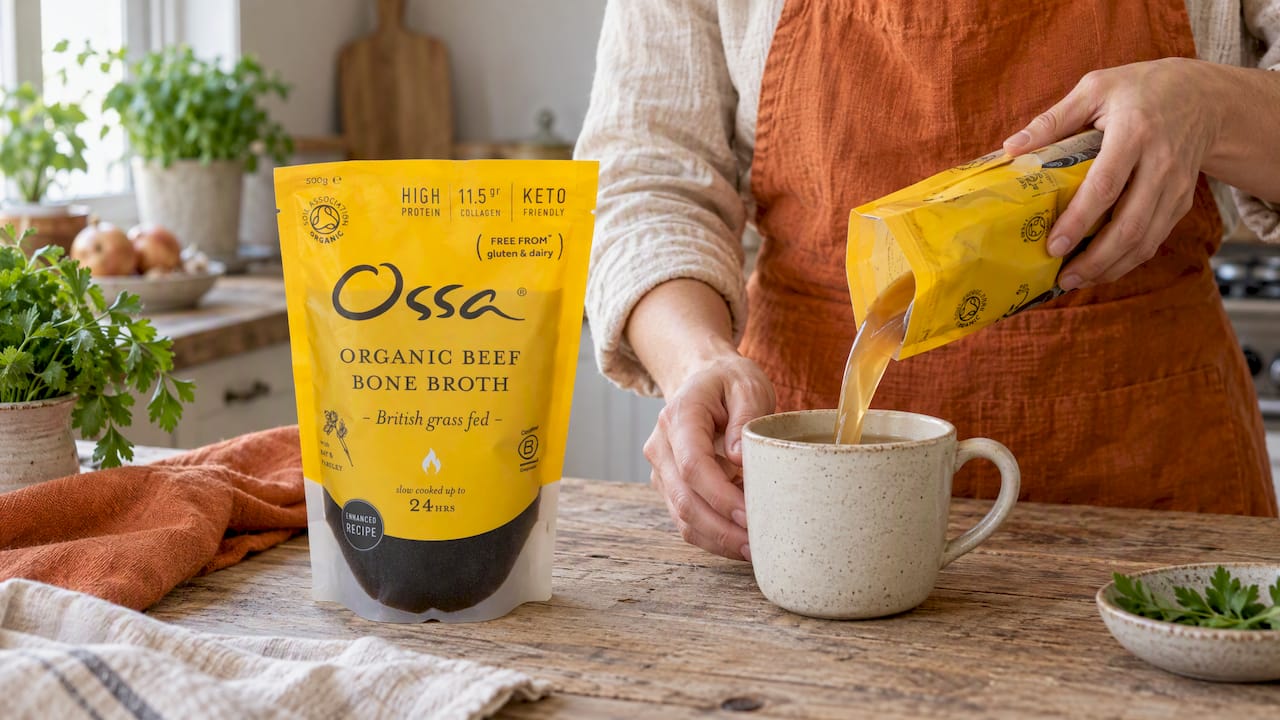
Our Organic Grass Fed Beef Bone Broth 500ml and Organic Free Range Chicken Bone Broth 500ml suit later GAPS stages once long-cooked broth is well tolerated, while our Organic Beef Bone Broth Ambient 240ml is a convenient size for trialling a small portion as you move past meat stock. Start with a small serving, watch how you feel, and build up from there. Browse the full range of organic broths, collagen and grass-fed fats to find what fits your stage.
This article is general information, not a substitute for advice from a qualified doctor. Consult a qualified healthcare professional about your own circumstances before acting on anything here.
FAQ
How long does it take bone broth to heal a leaky gut?
There is no robust clinical evidence establishing a timeframe for bone broth to heal gut lining, and the NHS notes a lack of clinical trials supporting such claims for GAPS more broadly. Amino acids in broth may support gut lining repair as part of a varied diet, but broth alone is not a measured fix on any set schedule.
What is the downside to drinking bone broth?
Long-cooked bone broth can accumulate higher histamine and free glutamate levels, which may cause headaches, flushing or palpitations in sensitive people. Commercial versions can also run high in sodium, and mineral content varies considerably from batch to batch.
What is not allowed on GAPS diet?
GAPS protocol guidance restricts grains, refined sugar, starchy vegetables and most processed foods, particularly in the early introduction stages. The approach is highly restrictive, and health guidance recommends professional supervision to avoid nutritional shortfalls.
Can bone broth heal gut lining?
Amino acids and gelatin in bone broth are linked to gut lining support, but this is distinct from a proven healing effect, and no peer-reviewed clinical trials confirm broth reverses gut damage on its own. It works best as one part of a broader, varied approach to gut health.