Grass-fed tallow typically carries more omega-3 fatty acids, a lower omega-6 to omega-3 ratio and more carotenoids than grain-fed tallow, but the gap between individual producers is often wider than the gap between the two categories. That means the “grass-fed” label is a reasonable starting point, never a guarantee. Finishing practice, pasture diversity and how much saturated fat fits into your week all shape whether the difference matters to you.
TL;DR:
- Varied pasture practices and finishing times significantly influence the nutrient and fat profile of grass-fed tallow, with some samples performing worse than grain-fed options.
- The omega-6 to omega-3 ratio in grass-fed tallow generally exceeds health recommendations unless the pasture is highly diverse and well-managed.
- For skincare, purity and testing are more important than label claims, as untested home-rendered tallow risks rancidity and inconsistent quality.
- Choosing grass-fed tallow is most beneficial for nutrient density and skin compatibility, while grain-fed tallow offers a cheaper, reliable option for high-heat cooking.
- Portion control remains essential since tallow provides saturated fat, which should be limited according to public health guidelines, regardless of animal feeding practices.
Ossa Organic
Choose Natural Food For Daily Living
Explore Ossa Organic’s naturally made foods, rooted in organic ingredients, slow cooking and tradition rather than trend.
Table of Contents
Nutritional composition: how grass-fed and grain-fed tallow differ
The fatty acid story is where grass-fed and grain-fed tallow part ways most clearly. A peer-reviewed analysis of more than 300 samples found grass-fed beef averaged a 2.14 omega-6 to omega-3 ratio compared with 8.28 for grain-fed beef, alongside higher EPA, DPA and CLA in the grass-fed group. A separate feed-to-meat analysis found that grass-fed beef has a substantially higher omega balance than grain-fed beef, with a strong correlation between what the animal ate and what ended up in the fat.
Grass-fed tallow also tends to carry more fat-soluble vitamins and carotenoids, which is why it often looks more yellow on the shelf. That colour comes from provitamin A compounds picked up from fresh pasture, and it is one of the few visual cues a shopper can use without a lab. Tallow in general is a source of vitamins A, E and K2, plus minerals such as zinc and selenium, though the exact concentration shifts with diet and how the fat is rendered.
- Omega-3 content and the omega-6 to omega-3 ratio are usually more favourable in grass-fed tallow.
- CLA and stearic acid levels tend to run higher in grass-fed samples, and stearic acid is considered metabolically neutral relative to other saturated fats.
- Fat-soluble vitamins and carotenoids are present in both types but concentrate more in pasture-raised fat.
- Within-group variation is large: some grain-fed samples outperform poorly finished grass-fed ones.
A commercial sample survey found wide variation in omega-6 to omega-3 ratios even within the grass-fed category, with biodiverse pastures linked to better omega-3 outcomes. That spread matters more for your buying decision than the average figures themselves, because it means the label alone does not quantify the benefit.
Skincare effects: absorption, hydration and where the evidence runs thin
Tallow sits close to the lipid profile of human skin, which is the main reason it works as an occlusive moisturiser. A scoping review of topical tallow use found it can support hydration and barrier repair, with some studies reporting benefit for dermatitis, though the evidence base is still small and inconsistent in how adverse events get reported. Dermatologist commentary echoes that caution: tallow’s rise owes more to “natural” branding than to robust clinical proof, and while it may suit dry or eczema-prone skin, it is not a demonstrated acne treatment.
Who tends to get on with it: people with dry, sensitive or barrier-impaired skin, where an occlusive layer helps reduce water loss. Who should be more careful: anyone with active acne or a known allergy to beef-derived products, since the same occlusive quality that helps dry skin can aggravate breakout-prone skin.
- Pure tallow is low in linoleic acid, so blending it with a PUFA-rich oil can improve barrier support compared with tallow alone.
- Home-rendered tallow carries a real risk of rancidity if it is not stored or strained properly.
- Sourcing from grass-fed, pasture-diverse herds also raises fewer environmental and ethical questions than intensive grain feeding.
Pro Tip: If you are trying tallow on sensitive skin for the first time, patch-test on your inner forearm for a few days before applying it to your face.
How to choose quality tallow: labels, tests and practical checks
“Grass-fed” and “grass-finished” are not interchangeable. An animal can be grass-fed for most of its life and still be grain-finished for weeks before slaughter, which shifts the fat profile back towards a grain-fed pattern. Finishing length and pasture diversity explain much of why two “grass-fed” products can test very differently.
- Check the colour: a deeper yellow hue suggests more carotenoids and provitamin A, though it is not a precise measure on its own.
- Smell and texture should be clean and firm, never sharp, soapy or greasy.
- Look for organic certification, which limits the use of grain-based feed supplementation and growth-promoting inputs.
- Favour suppliers who publish sourcing details, including whether the herd is grass-finished and where it grazes.
- Where available, prefer a fatty acid panel or omega-3 testing claim over marketing language alone.
- For skincare, choose commercially rendered, lab-tested tallow over home rendering, since consistent purity matters more on skin than in cooking.
Reading up on how grass-fed and grain-fed beef differ at the animal level helps explain why these checks matter before the fat even reaches your kitchen.
Dietary safety and portioning: putting tallow in a balanced diet
Tallow is a saturated fat first, regardless of how the animal was raised. UK public health guidance recommends keeping average saturated fat intake to a reduced level relative to total dietary energy, substituting with unsaturated fats where you can. That guidance applies across the population, not as a per-meal rule, so the practical takeaway is portion awareness rather than elimination.
- Use tallow where its high smoke point earns its place, such as roasting or searing, rather than as your everyday cooking fat.
- Balance it across the week with polyunsaturated and monounsaturated fats from oils, nuts or fish.
- If you have a diagnosed lipid condition or are pregnant, a conversation with a GP or dietitian is more useful than any general rule.
UK guidance from SACN sets a limit on saturated fat intake that suggests treating tallow as an occasional high-heat fat rather than a daily staple.
Authoritative context and publisher expertise
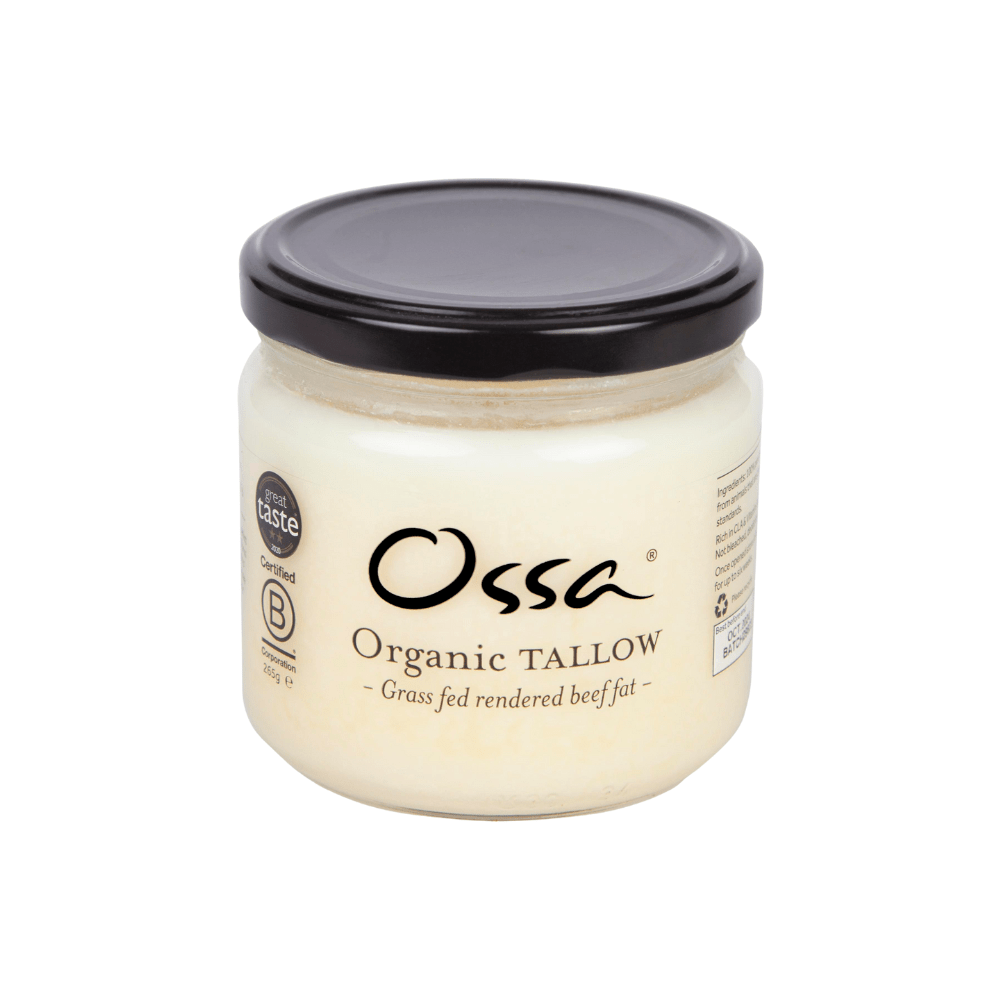
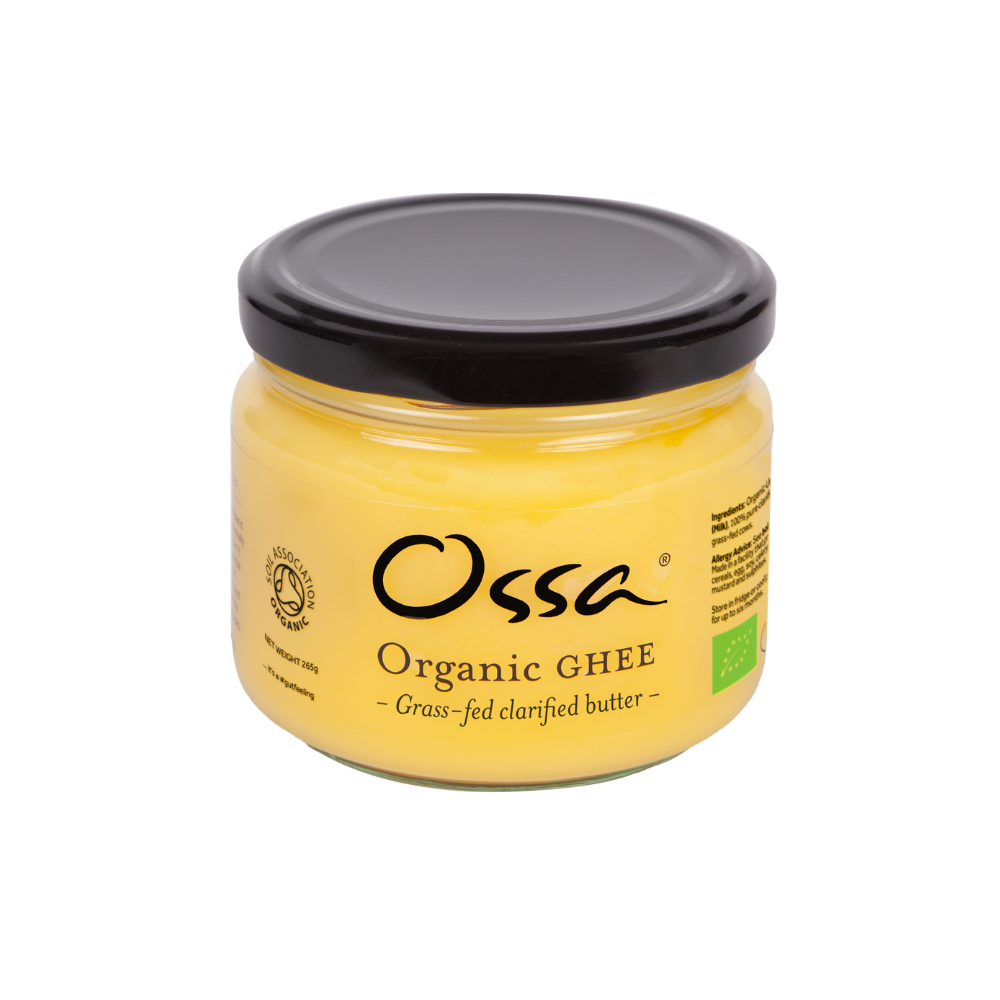
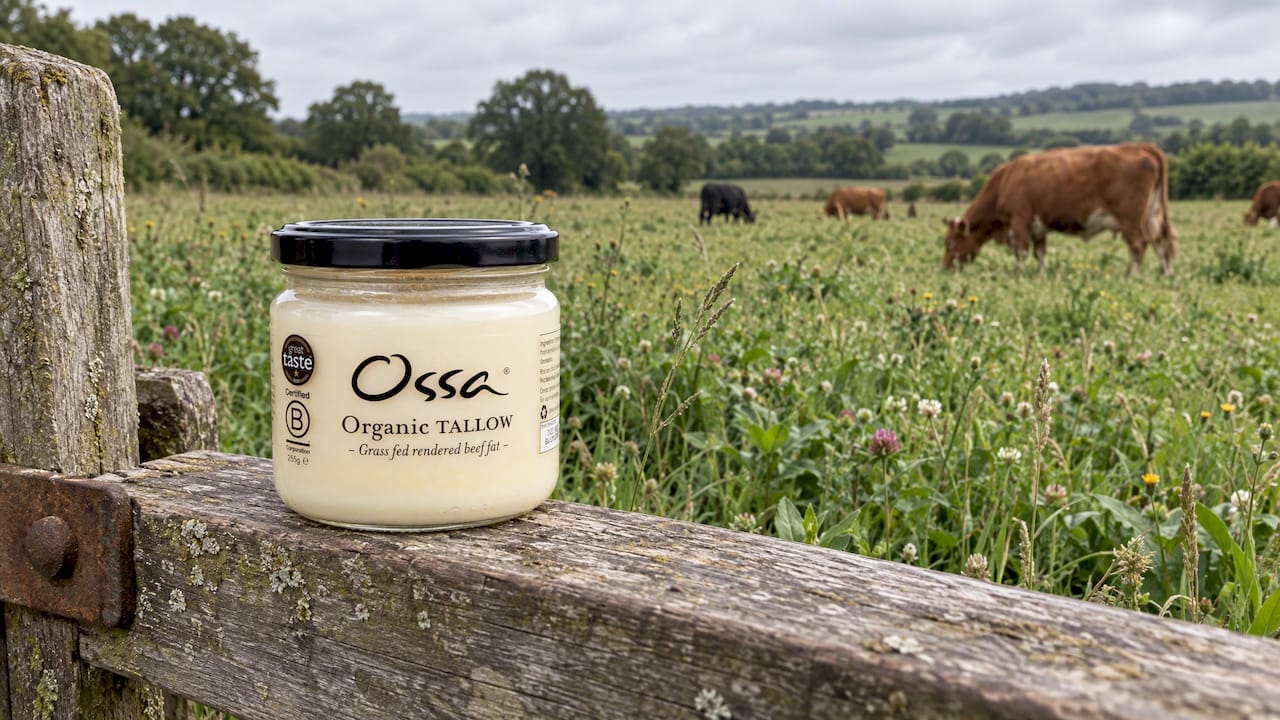
Our story started with bone broth, discovered while pregnant and since built into a family routine of slow cooking and paleo-leaning meals. That background shapes how we think about fat: organic sourcing, traditional rendering, and transparency about where an animal grazed rather than slogans about it. Our organic grass-fed tallow and ghee are made from British cows raised to organic standards, which speaks directly to the sourcing and certification checks set out above.

Practical takeaway: when grass-fed matters and when it doesn’t
Grass-fed tallow earns its place when nutrient density, carotenoid content or skin compatibility are the priority, particularly for topical use where purity counts more than price. Grain-fed tallow is a reasonable, cheaper choice for everyday high-heat cooking where the fatty acid differences are unlikely to move the needle. If you want one rule of thumb: spend on quality for skincare, spend less for the frying pan.
— Ossa Organic
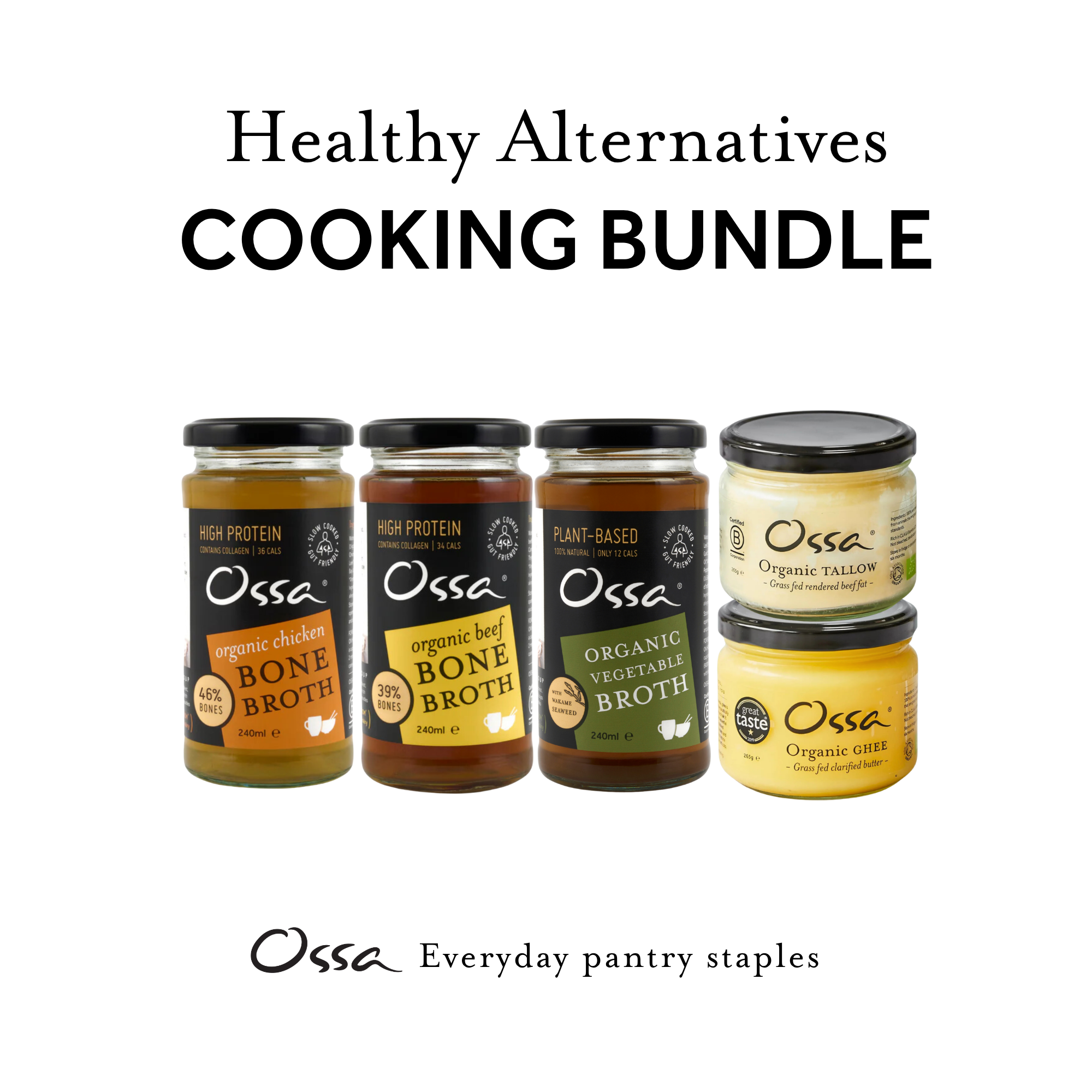
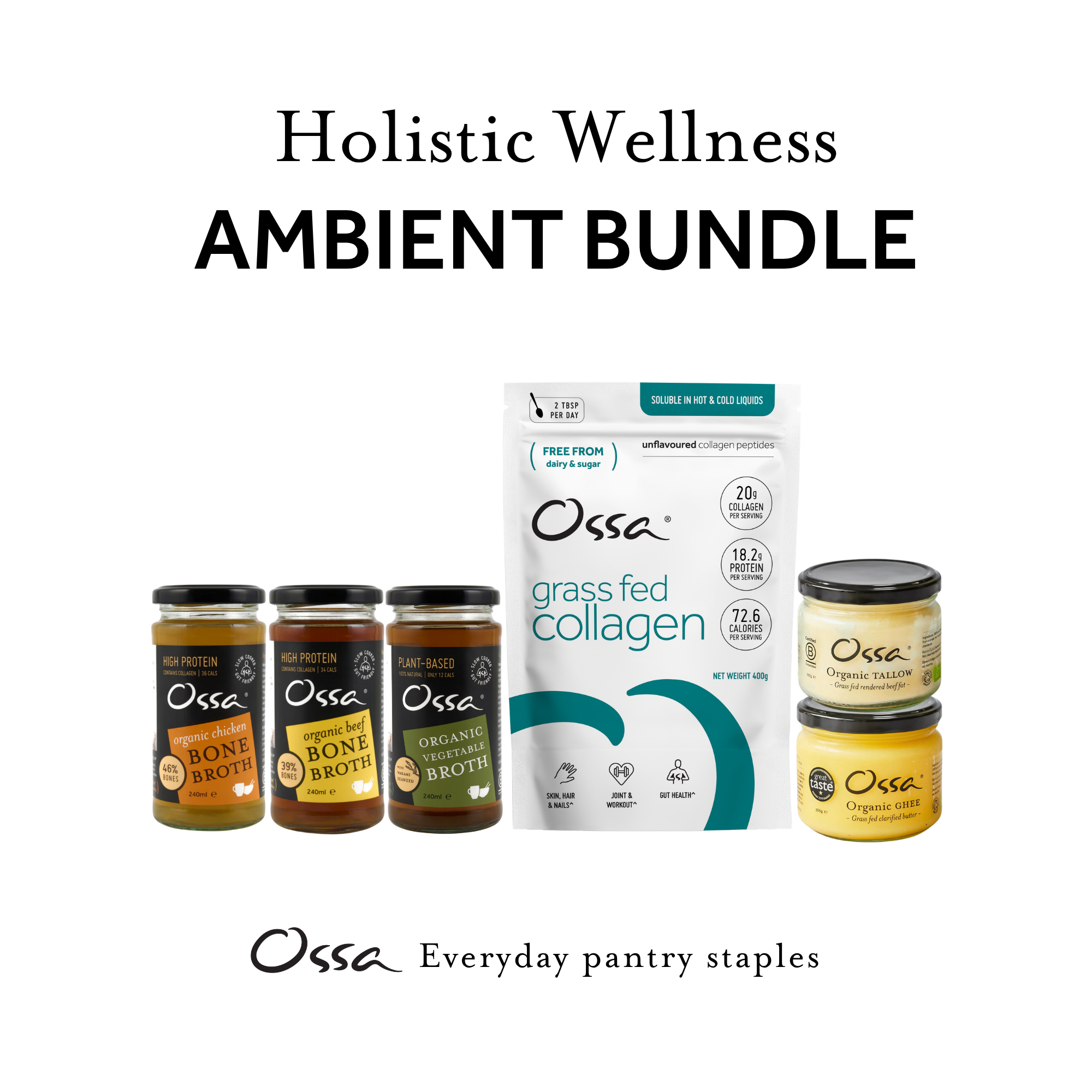
Our organic grass-fed tallow comes from British cows raised to organic standards and rendered the traditional way, meeting the sourcing and certification checks set out above. Our organic ghee, made the same way, suits anyone wanting a grass-fed cooking fat alongside tallow. For a wider introduction to our approach to gut health and natural fats, our Functional Nutrition Ambient Bundle brings several products together. Orders ship with full sourcing information included, and you can browse the full range of organic fats, broths and bundles to find what fits your kitchen.
This article is general information, not a substitute for advice from a qualified doctor. Consult a qualified healthcare professional about your own circumstances before acting on anything here.

FAQ
Why don’t dermatologists like tallow?
It is not that dermatologists dislike tallow outright: commentary suggests the caution is about unproven marketing claims rather than the fat itself. Tallow may help dry or eczema-prone skin through its occlusive properties, but it is not backed by strong clinical evidence as an acne treatment, and purity of the product matters more than the trend around it.
Which one is better, grass-fed or grain-fed?
Grass-fed tallow tends to have a lower omega-6 to omega-3 ratio and more carotenoids on average, but variation between producers is often larger than the difference between the two categories. For skincare or nutrient density, grass-fed is the safer bet when sourcing is transparent; for everyday high-heat cooking, the practical difference is smaller.
Is tallow full of collagen?
No, tallow is rendered fat and does not contain meaningful collagen, which comes from connective tissue and bone rather than fat. If collagen content is what you are after, a bone broth or a dedicated collagen powder is the more direct source.
Is tallow the healthiest fat?
Tallow is a dense source of saturated fat along with some fat-soluble vitamins, so it is not accurate to call it the healthiest fat without qualification. UK guidance recommends keeping average saturated fat intake to around 10% of total energy, which makes portion control more relevant than any single fat’s health halo.
Key sources to check
Recommended