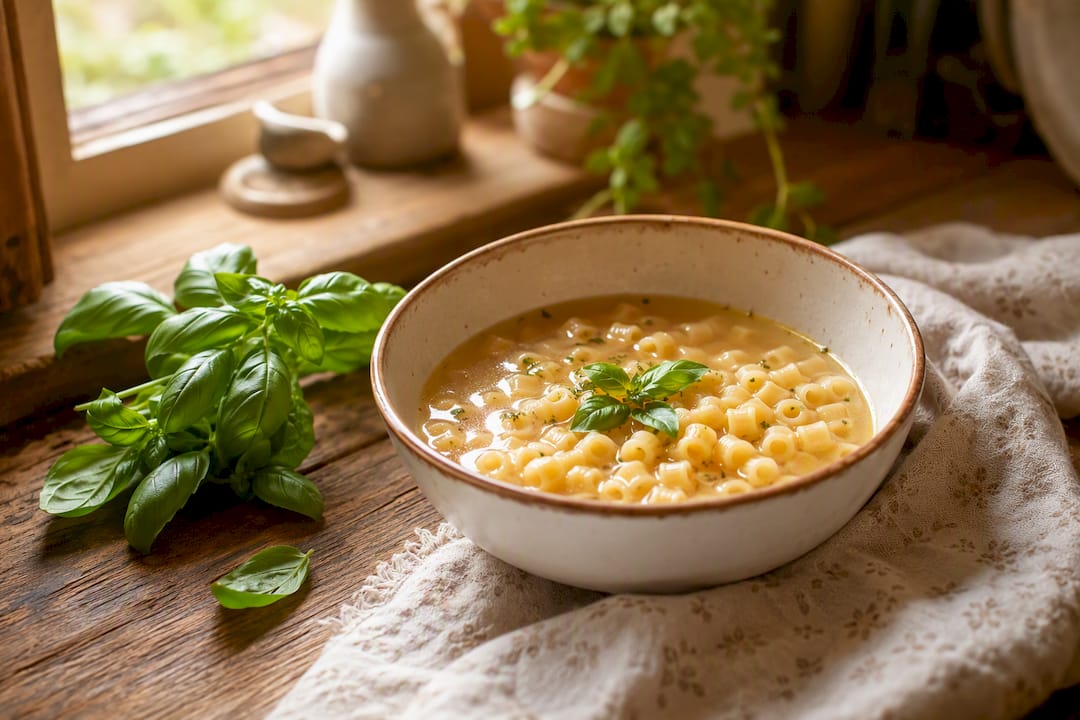
Pasta brodo is small pasta cooked in a clear, savoury broth, and you can have a comforting bowl ready in under 30 minutes with either a quick homemade broth or a high-quality ready-made one. The simplest version: simmer good broth, tip in a handful of small pasta, cook until just tender, and finish with grated Parmigiano Reggiano.
-
One-line recipe: bring broth to a simmer, add pastina or ditalini, cook 5 to 8 minutes, finish with Parmigiano
-
Ratio to remember: roughly 1 part pasta to 2 parts broth by volume
-
Reserve extra broth before adding pasta, since starch will thicken it as it cooks
-
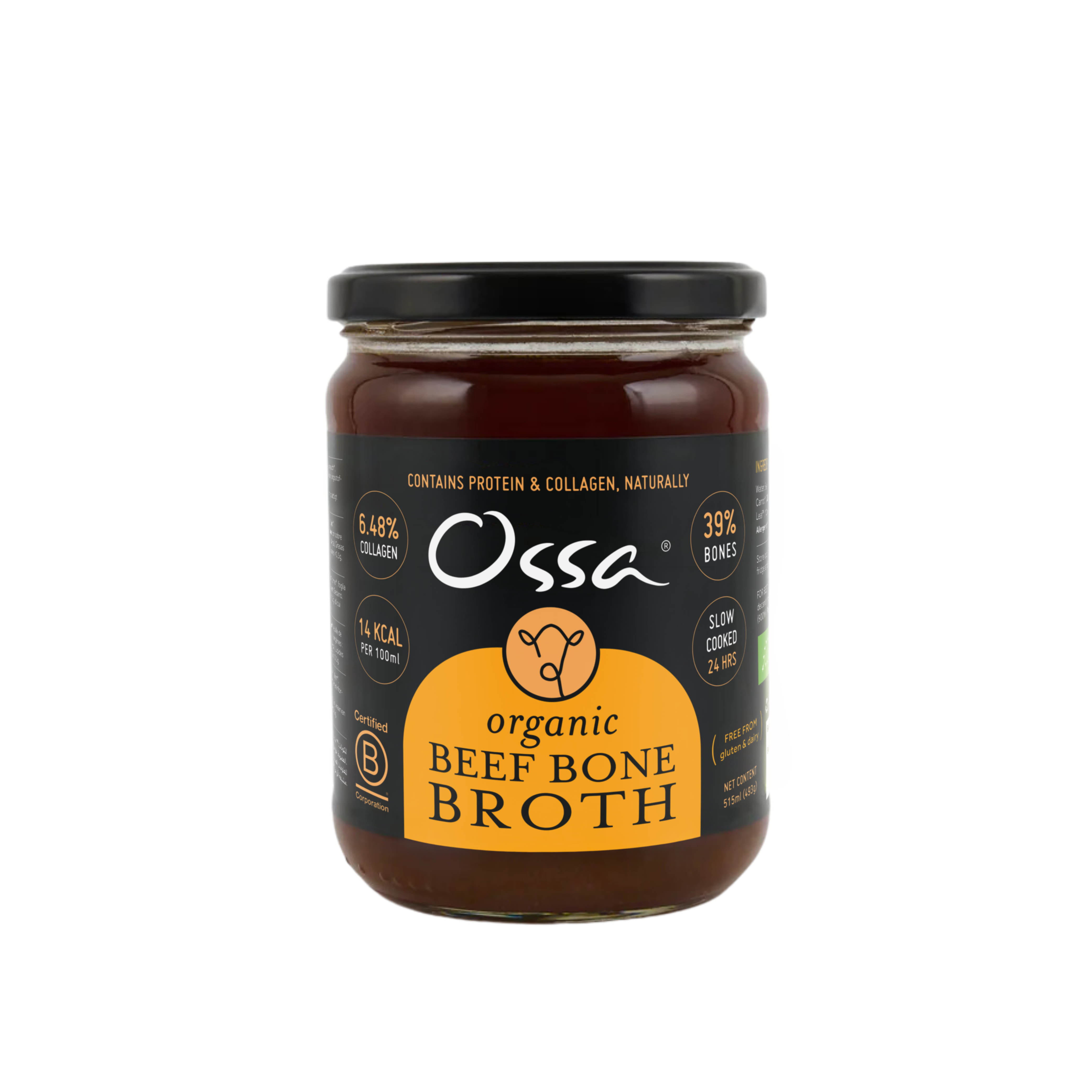
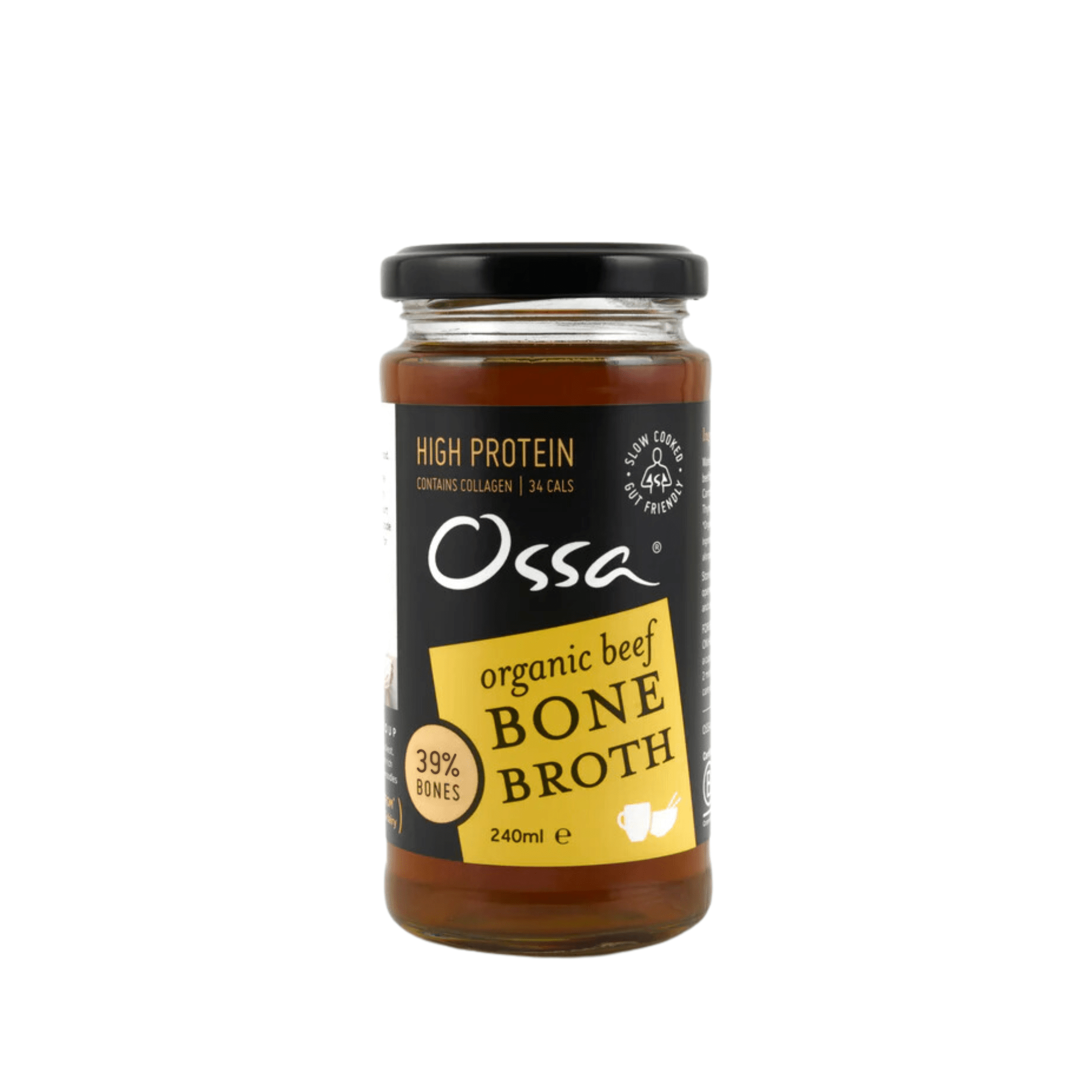
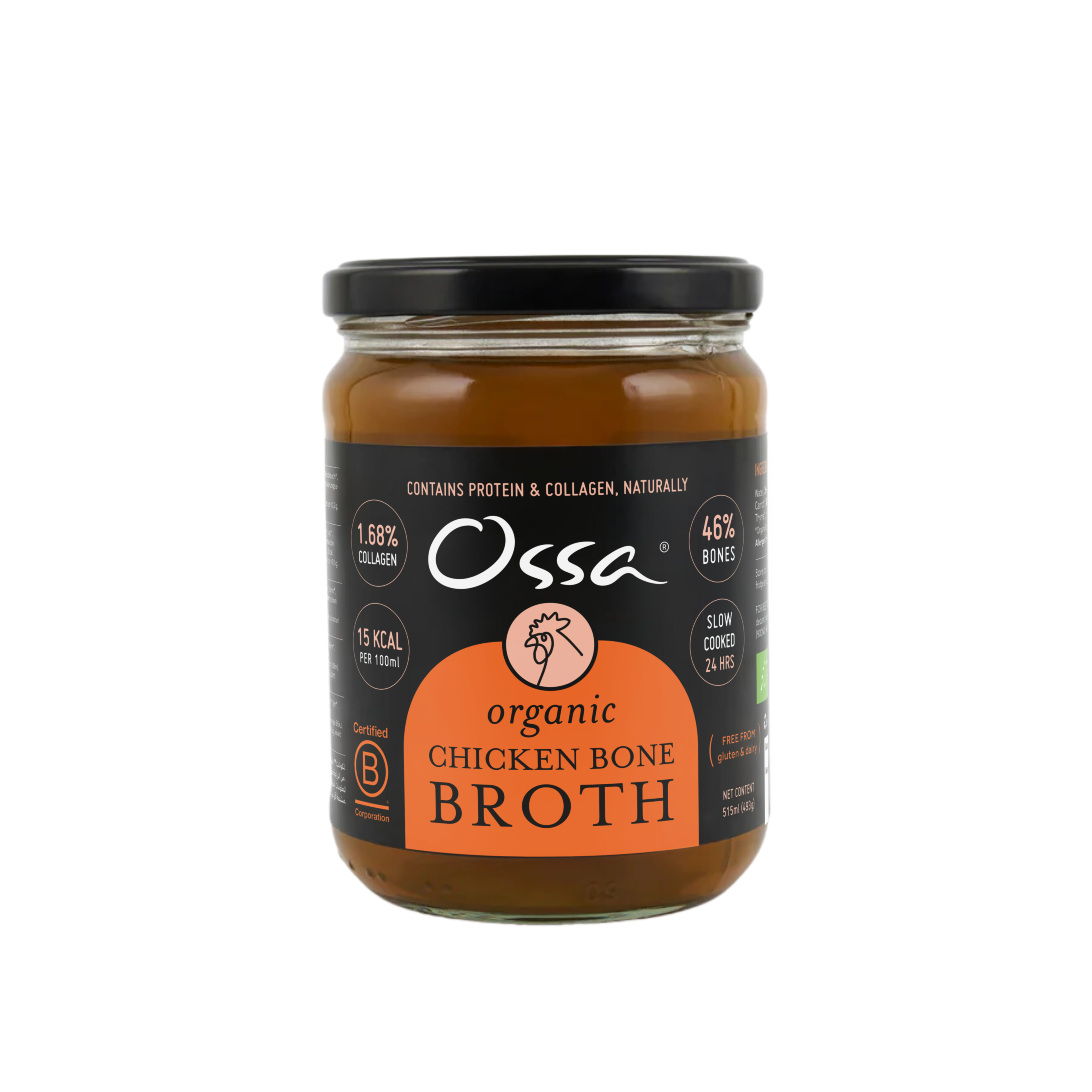
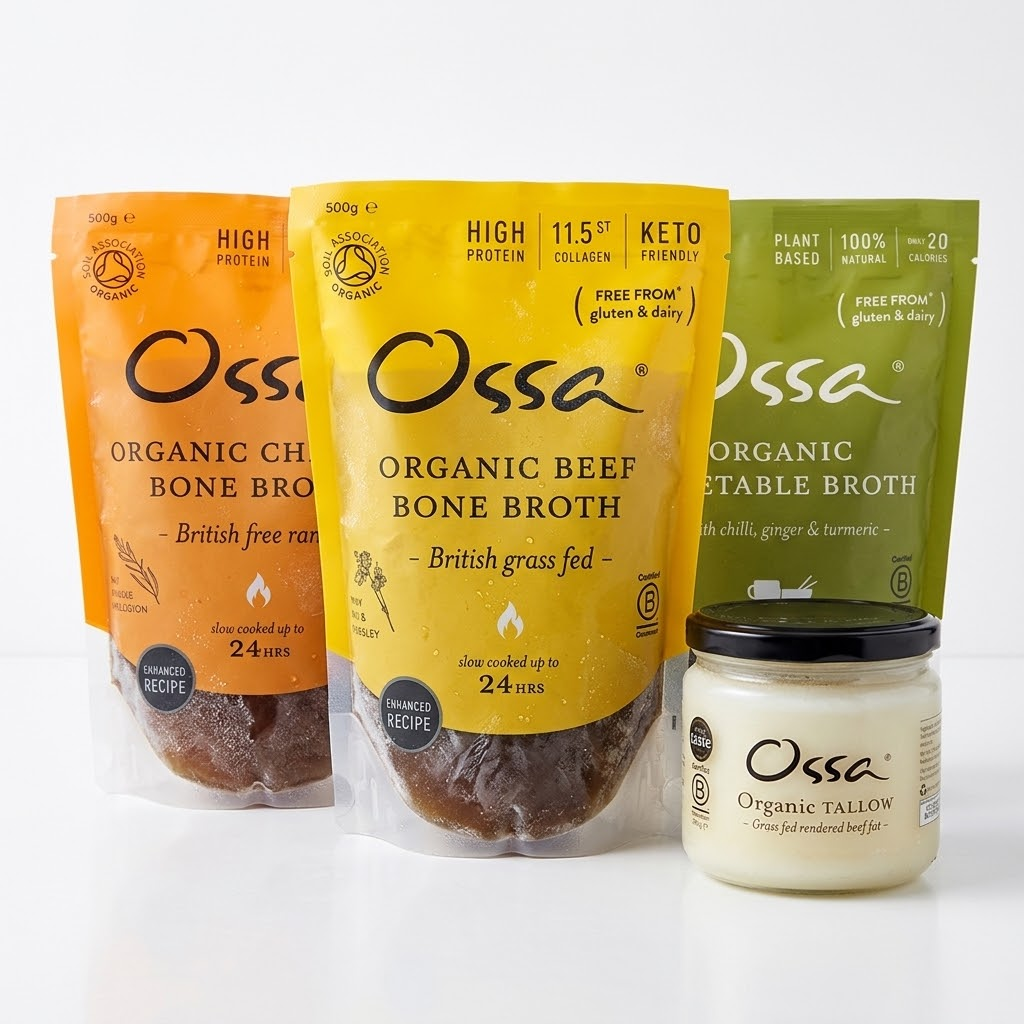
Shortcut option: a trusted ready-made broth, such as Ossa Organic, saves the long simmer without sacrificing flavour
Key Takeaways
Good pasta brodo depends far more on broth quality and correct pasta timing than on a long ingredient list.
| Point |
Details |
| Ratio to remember |
Aim for roughly 1 part pasta to 2 parts broth by volume, favouring extra liquid. |
| Timing varies by shape |
Pastina cooks in 2 to 5 minutes; tortellini needs testing once it floats. |
| Broth quality decides the dish |
A clear, well-seasoned broth matters more than any garnish added afterwards. |
| Store components separately |
Keep pasta and broth apart where possible, and freeze broth alone for up to 3 months. |
| Ready-made broth as a shortcut |
Ossa Organic’s ambient vegetable broths offer a genuine flavour shortcut when time is short. |
Table of Contents
What goes into a classic pasta al brodo
A proper brodo starts with a short list of honest ingredients, not a cupboard raid. Classic vegetable brodo leans on carrot, celery and onion, sometimes with a potato dropped in for body or a spoon of tomato paste for colour. Meat versions build on chicken or beef bones, a bay leaf, black peppercorns, parsley, and, if you have one lurking in the fridge, a Parmigiano Reggiano rind for extra depth.
Pasta choice depends on tradition and how much patience you have. Pastina and stelline are the classic, fastest-cooking options. Ditalini and small shells hold their shape a little longer. Orzo works when you want something that reads more like rice than pasta. Tortellini is the outlier: a stuffed pasta that turns a simple broth into something closer to a main course.
-
Dry pasta keeps for months and cooks predictably; fresh pasta cooks faster but needs watching
-
A stock cube works in a pinch, but an ambient organic broth like those from Ossa Organic gives more rounded flavour with none of the prep
-
Budget an appropriate amount of broth per person before pasta goes in, more if you like a soupier bowl
-
Mise en place checklist: broth, pasta, Parmigiano, a rind if you have one, salt, and a ladle for portioning
How do you make a quick, flavourful brodo?
There are two honest routes to a good brodo, and neither demands professional kitchen skills.
Quick vegetable or chicken brodo (about 30 minutes):
-
Roughly chop one carrot, one celery stick and half an onion.
-
Add chicken thighs or a small chicken carcass if using, plus the vegetables, to a pot of cold water.
-
Bring to a simmer, skim any foam, then add a bay leaf and a few peppercorns.
-
Simmer gently for 25 to 30 minutes, then strain and taste for salt.
Richer from-scratch brodo (2 to 4 hours):
-
Start beef or chicken bones in cold water, bringing them up slowly rather than dropping them into a rolling boil.
-
Skim thoroughly in the first 20 minutes for a clearer finish.
-
Add vegetables, herbs, and a Parmigiano rind partway through, once the initial scum has been removed.
-
Simmer gently, uncovered, for 2 to 4 hours, then strain and season.
Pro Tip: Skim little and often rather than once heavily. A clear brodo depends on patience in the first 20 minutes, not on how long it simmers overall.
If time is short, a good ready-made broth stands in perfectly well. Taste it before adding salt elsewhere, since ambient broths are often seasoned already.
How much pasta and broth do you need?
The practitioner’s rule of thumb is roughly 1:2 pasta to broth by volume: for every cup of small pasta, plan on two cups of liquid. Pasta absorbs broth as it cooks and releases starch that thickens what remains, so err on the side of extra liquid rather than exact measurements. If the soup looks perfect before the pasta goes in, it will look considerably thicker ten minutes later.
Timing depends entirely on shape and size:
| Pasta type |
Typical cook time |
| Pastina / stelline |
2–5 minutes |
| Ditalini / orzo |
5–8 minutes |
| Fresh pasta |
Very quick, test early |
| Tortellini (filled) |
Until they float, then test one |
-
Pull the pot off the heat slightly before the pasta feels fully done. It keeps cooking in the residual heat.
-
Season the broth again after the pasta goes in. Salt gets absorbed quickly by small shapes.
-
If the soup thickens too much, loosen it with a splash of hot broth rather than cold water, which dulls the flavour.
Which broth should you use: homemade, cubes, or ready-made?
Homemade brodo wins on control and depth but costs hours you may not have on a Tuesday evening. Stock cubes win on speed but often taste flat and oversalted once reduced. Traditionalists insist that broth quality is the single factor that separates a memorable pasta brodo from a forgettable one, and that holds whether the broth comes from your own stockpot or a well-made ambient carton.
-
Homemade: best depth, most control over salt, requires hours of simmering
-
Stock cubes: fastest, but thin and often oversalted
-
Ambient ready-made broths (such as Ossa Organic’s organic vegetable broth): genuinely flavourful, ready in minutes, no compromise on ingredient quality
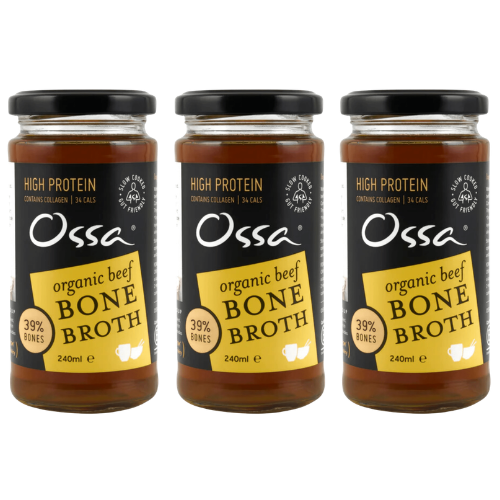
If you are using a concentrated bone broth, thin it slightly with water before adding pastina, then taste and adjust.
Pro Tip: Blend a small amount of homemade brodo with a ready-made ambient broth. You get real depth without spending your whole evening at the stove.
Classic ways to serve pasta in brodo
Three variations cover most of what you will find on an Italian table. Pastina in brodo, often nicknamed Italian penicillin, is plain small pasta in a light chicken broth, valued for being gentle and easy to eat when someone feels unwell. Tortellini in brodo calls for a deeper, longer-simmered beef or capon broth strong enough to stand up to the filling. Pasta in brodo with peas and Parmesan adds a handful of fresh or frozen peas for colour and a generous grating of cheese, turning a light starter into something closer to a full meal.
Tomato-forward versions exist but are less traditional; a small spoon of passata can be added if you want warmth and colour, though purists tend to keep brodo clear.
-
Finish every bowl with grated Parmigiano Reggiano and, if you like, a small knob of butter
-
A scattering of chopped parsley or a drizzle of good olive oil lifts the whole dish
-
Serve in shallow bowls so the broth-to-pasta balance stays visible, not buried under a heap of pasta
Getting the seasoning and texture right
Taste the broth twice: once before the pasta goes in, and once after. Parmigiano adds its own salt, so hold back on seasoning until the cheese is on the plate. For texture, stop cooking while the pasta still has a slight bite, since it continues to soften once you take the pot off the heat.
For children or anyone sensitive to strong flavours, use a milder chicken or vegetable brodo, skip the onion if it causes complaints, and let extra Parmigiano do the flavour work rather than black pepper.
-
Taste before salting, taste again after the pasta cooks
-
Undercook slightly; the pasta finishes off the heat
-
For fussy eaters, more cheese and less pepper usually wins
Pro Tip: Keep a mug of extra hot broth beside the pot. A splash loosens a soup that has thickened more than you expected, without watering down the flavour.
Storing and reheating pasta in brodo
Pasta keeps better stored apart from its broth, since it keeps absorbing liquid even in the fridge. If you must store them together, use an airtight container and eat within two days.
-
Fridge: up to 2 days, pasta and broth combined
-
Freezer: broth alone freezes well for up to 3 months; avoid freezing pasta already cooked in broth
-
Reheating: add a splash of fresh hot broth, warm gently rather than boiling hard, and finish with a little butter or cheese to bring the texture back
Nutrition notes and dietary adjustments
Sodium is the main thing to watch. Use a lower-salt broth where possible, or dilute a concentrated one and taste before adding more salt yourself. Butter enriches the dish nicely but adds calories quickly; a light drizzle of olive oil or a lower-fat cheese gives a similar lift with less richness.
For children or anyone managing blood sugar, keep pasta portions modest, bulk the bowl out with extra vegetables, and skip tomato-heavy versions that lean on added sugar. Diabetes UK publishes its own pasta brodo recipe with portion guidance built in, a useful reference if you are cooking for someone managing diabetes.
-
Dilute concentrated broths and taste before salting
-
Swap butter for a little olive oil to lighten the dish
-
Bulk with extra veg and keep pasta portions modest for balanced meals
-
Ossa Organic’s lamb bone broth guide covers broader nutritional differences between broth types
Why brodo still matters in a family kitchen
Brodo has always been the dish you make when someone in the house needs comfort more than complication. Ossa Organic began with exactly that instinct, born from a mother discovering how much difference real bone broth made during pregnancy, and that same belief in slow, honest ingredients shapes every batch since. A good bowl of pasta brodo is proof that nourishing food does not need a long ingredient list, only a good broth. For more ways to put that broth to work, Ossa Organic’s bone broth recipe collection is worth a browse.
A ready-made shortcut worth keeping in the cupboard
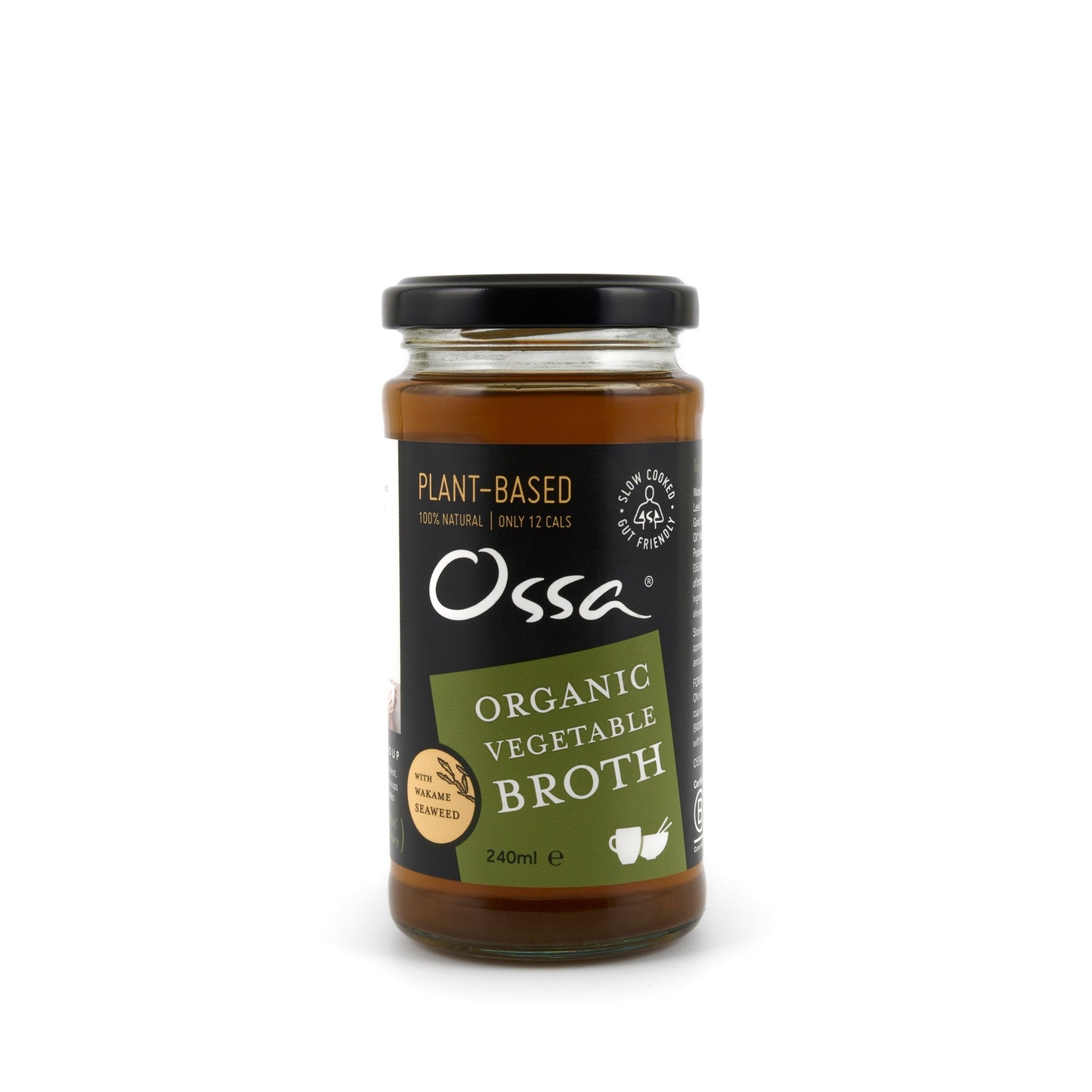
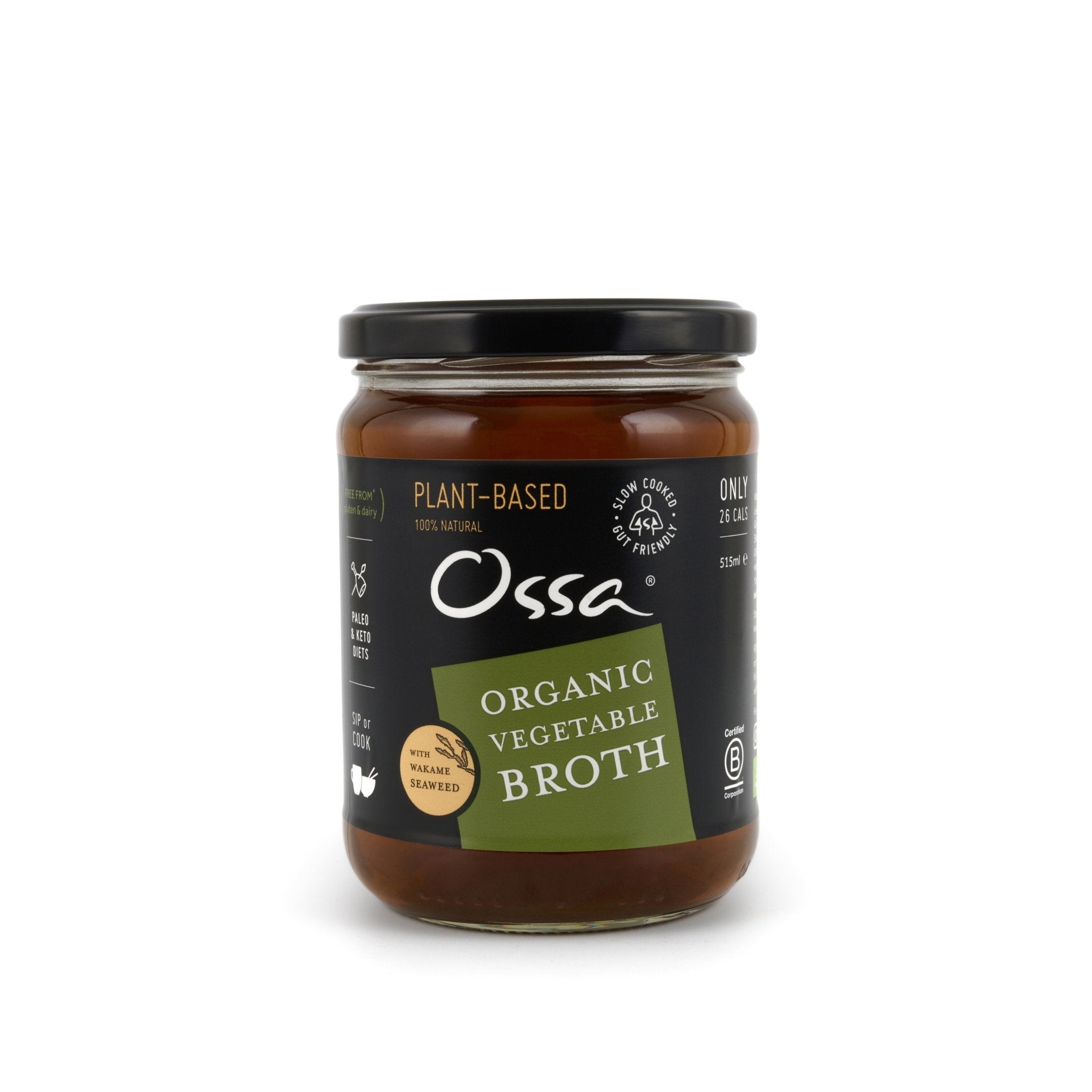
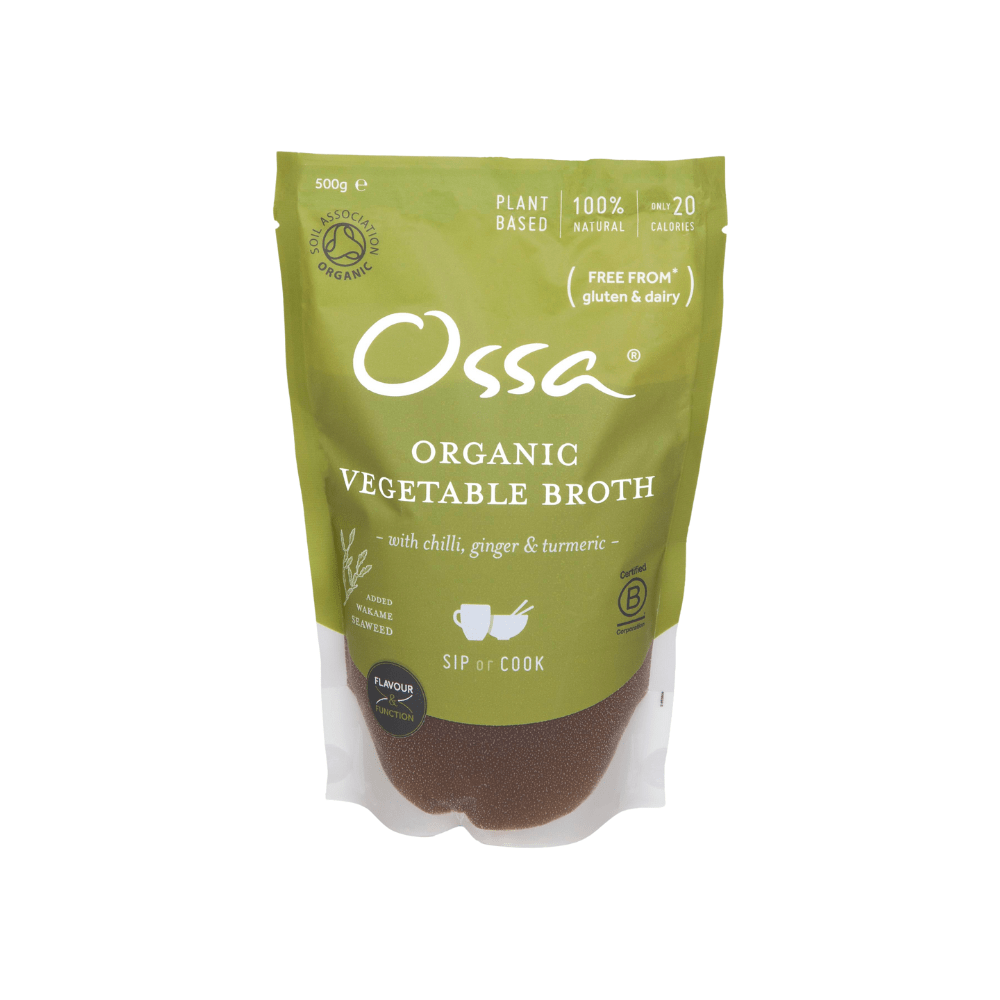
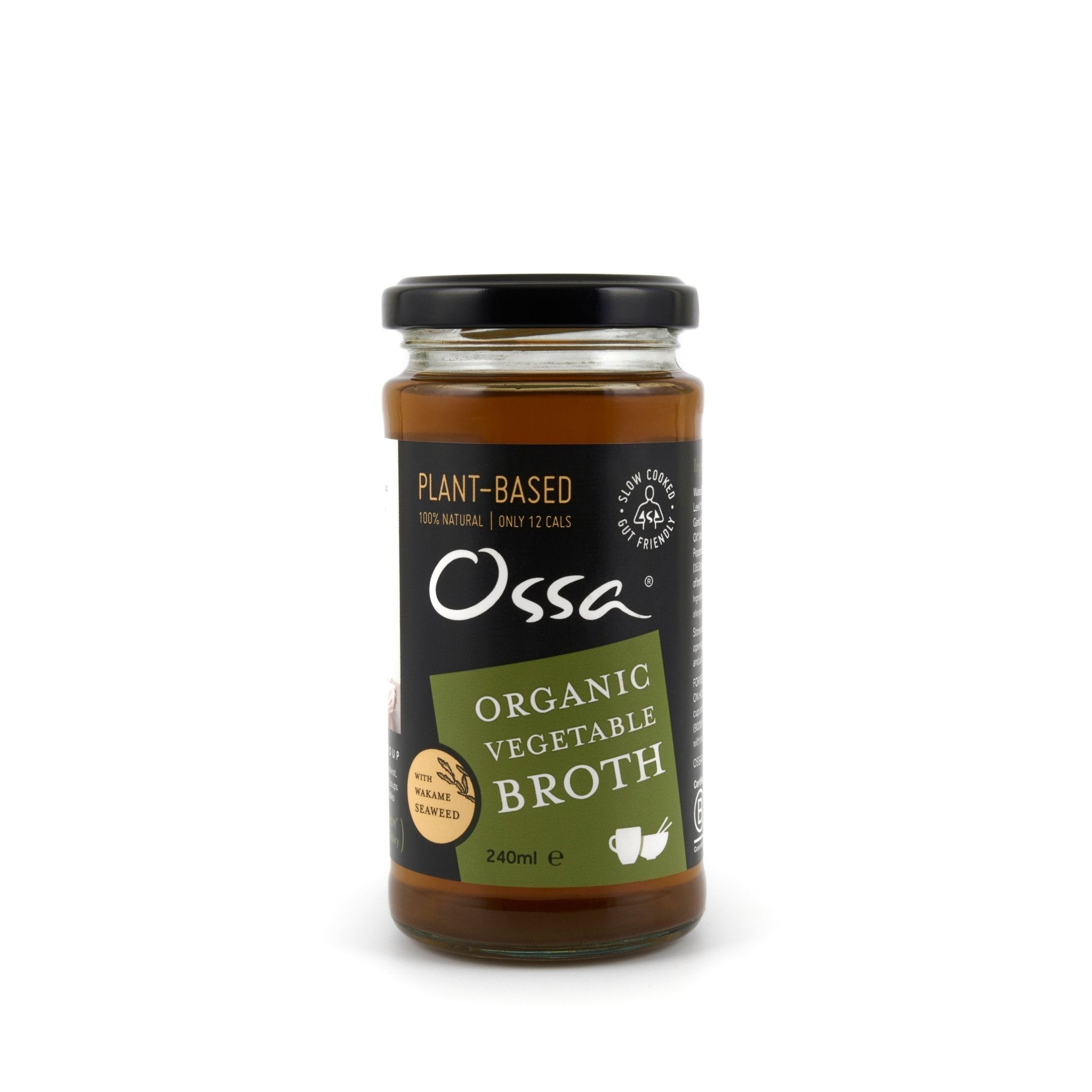
Ossa Organic’s Organic Vegetable Broth Ambient 240ml is sized for exactly this: a single comforting bowl of pastina without opening a carton bigger than you need. For a household making pasta brodo more regularly, the Organic Vegetable Broth Ambient 515ml covers a family pot with less packaging waste, and the Organic Vegetable Broth 500ml gives plant-based cooks a fully vegan option that still carries real depth.
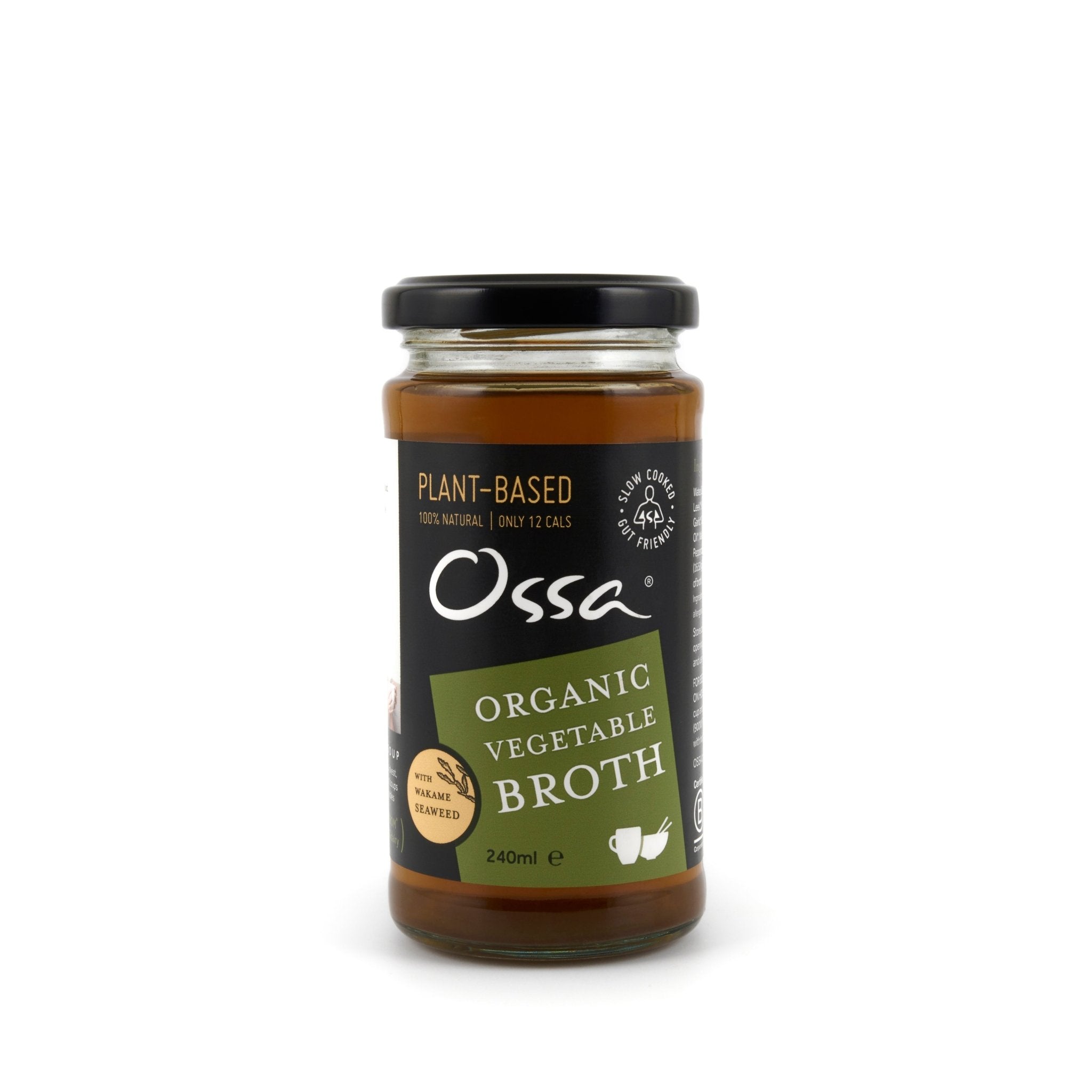
Use any of them straight, or thin with a splash of water if you prefer a lighter finish, then taste before adding salt since they arrive seasoned. Keep one in the cupboard for the evenings when a from-scratch simmer simply is not happening.
Sources and further reading
-
GialloZafferano — traditional vegetable and meat brodo ingredient lists
-
Barilla — pastina cooking and resting technique
-
La Cucina Italiana — on why broth quality decides the final dish
-
Diabetes UK — pasta brodo recipe with portion-aware guidance
FAQ
What is brodo in Italian cooking?
Brodo is the Italian word for broth, a clear savoury liquid made by simmering vegetables, meat bones, or both, then used as the base for pasta brodo and many other dishes.
What ingredients are typically in a brodo?
Vegetable brodo usually contains carrot, celery, onion and sometimes potato, while meat brodo adds chicken or beef bones, bay leaf, peppercorns and often a Parmigiano Reggiano rind.
Is tomato brodo traditional?
Tomato-forward versions exist but are considered less traditional; classic brodo stays clear, with tomato paste or passata used sparingly if at all.
What does tortellini in brodo mean?
Tortellini in brodo means small stuffed pasta served in a deep, long-simmered beef or capon broth, a dish substantial enough to serve as a main course rather than a starter.
Can I use a ready-made broth instead of homemade?
Yes. A well-made ambient broth, such as Ossa Organic’s organic vegetable broth, gives good depth in minutes and works well diluted or used straight, once tasted for seasoning.
Recommended