A realistic plan to transition your family to organic runs 6 to 12 weeks, adding one or two swaps at a time until organic makes up a meaningful share of your weekly shop, without wrecking your budget. Start this week with three moves: swap one Dirty Dozen item to organic, choose organic milk or eggs if your family eats them daily, and plan two organic meals for the coming week.
-
Week 6 checkpoint: organic produce and dairy should cover roughly a third of your basket.
-
Week 12 checkpoint: most high‑pesticide produce, dairy, and eggs are organic, with two or three organic proteins in regular rotation.
-
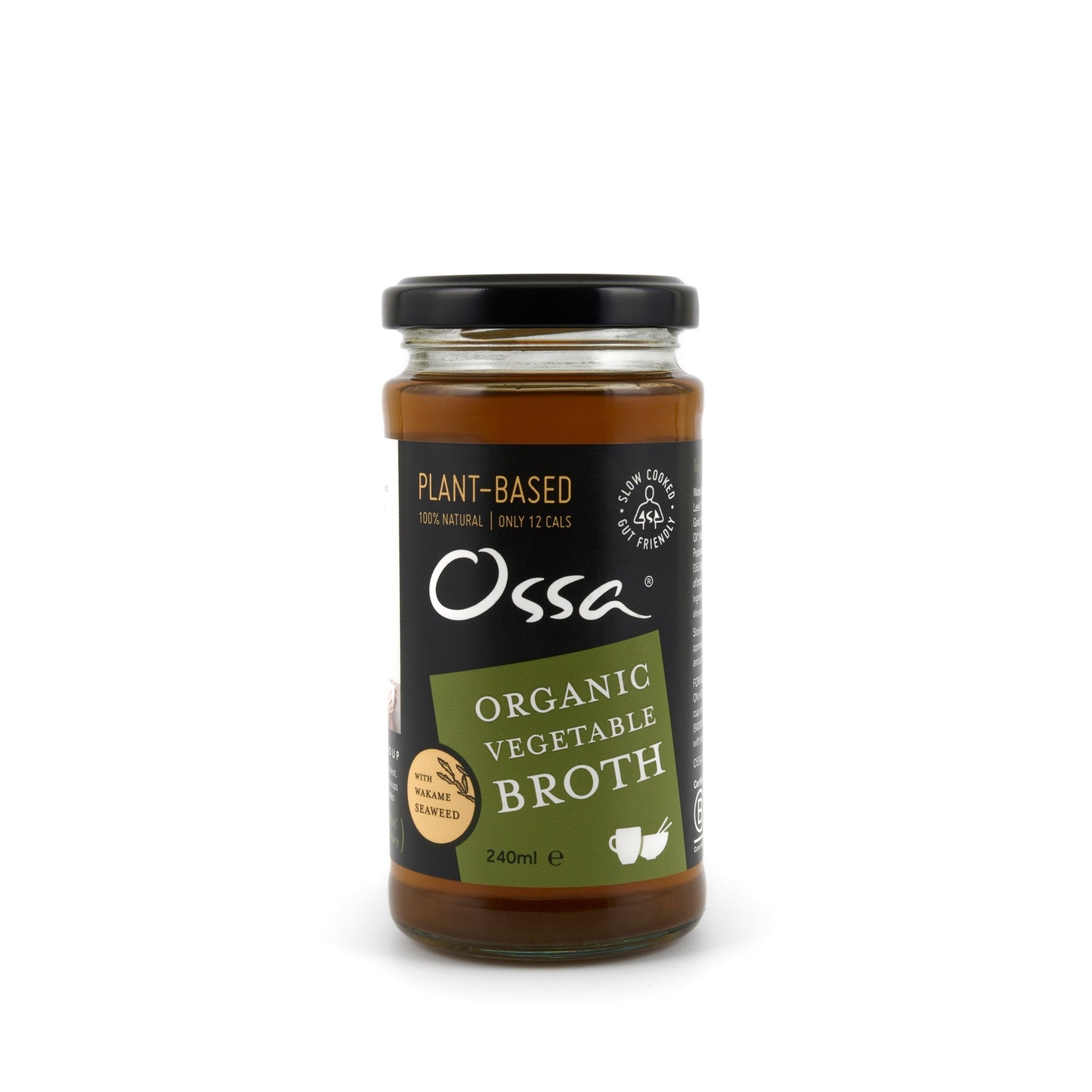
Cost reality: a systematic review of organic diet health outcomes (PMC7019963) found consistent evidence of reduced pesticide exposure, though it stopped short of proving definitive clinical benefit. Cleveland Clinic’s consumer guidance backs the same cautious, priority-based approach. Ready-to-use staples such as Ossa Organic bone broth can stretch a smaller organic protein budget across more meals.
Key Takeaways
Transitioning your family to organic works best as a phased 12-week plan that prioritises high-pesticide produce, dairy, and eggs before expanding into meat and pantry staples.
| Point |
Details |
| Start with three moves |
Swap one Dirty Dozen item, choose organic milk or eggs, and plan two organic meals this week. |
| Prioritise by exposure |
Buy organic strawberries, spinach, and apples first, since they carry the highest pesticide residue and are eaten often. |
| Budget with frozen and seasonal |
Frozen organic produce and seasonal buying can cut costs by 30 to 40% compared with fresh, out-of-season options. |
| Track milestones, not perfection |
Aim for a third of your basket organic by week 6 and most high-priority items organic by week 12. |
| Use ready-made staples to bridge gaps |
Ossa Organic’s bone broths offer a preservative-free, ready-to-use way to stretch organic protein across more family meals. |
Where to read more on organic diets and food safety
-
Systematic review of organic diet health outcomes (PMC7019963): the most detailed academic look at what 35 studies actually found
-
Cleveland Clinic: Organic food, pros, cons and what to know: clear consumer guidance on labels and practical trade-offs
-
Soil Association: Why organic living: context on certification standards and the reasons families choose organic
-
PubMed research on pesticide exposure and organic intake: background on the cardiometabolic associations mentioned above
-
Leeds NHS diet and nutrition guidance: a reminder that balance matters more than any single label
This article is general information, not a substitute for advice from a qualified doctor. Consult a qualified healthcare professional about your own circumstances before acting on anything here.
Table of Contents
How do you gradually transition your family to organic?
The households that stick with an organic lifestyle for families rarely flip the switch overnight. They follow a staged plan, adding organic items only where they matter most, and letting the budget catch up gradually rather than all at once.
Weeks 1 to 4: build the foundation
-
Identify your family’s three most-eaten fruits or vegetables and check them against the Dirty Dozen list.
-
Swap one produce item and one pantry staple to organic each week.
-
Cook one fully organic meal per week, choosing something your family already likes.
Weekly checklist:
-
One new organic produce swap
-
One organic pantry staple added
-
One organic dinner cooked and reviewed for cost
Weeks 5 to 8: expand into dairy and daily habits
By week five, most families are ready to move into dairy, eggs, and regular breakfasts. Introduce batch cooking here too: a Sunday session using organic staples covers three or four weeknight meals.
Weekly checklist:
-
Organic milk, eggs, or butter added to the regular shop
-
One batch-cooked organic meal prepared for the week ahead
-
One organic snack trialled with the kids
Weeks 9 to 12: refine and repeat
Add organic proteins or pantry staples where your budget allows, then lock in a repeatable weekly menu built entirely around what worked in the previous eight weeks. Review your spending and food waste at this point. If organic meat feels too expensive, keep it for one or two meals a week rather than dropping it entirely.
Pro Tip: Stack the habit onto something you already do. Add your organic swap to the same shopping trip and same day each week, and keep a simple running note of what you spent on organic versus conventional. Seeing the actual pound difference, rather than guessing at it, is what keeps families going past week four.
Which foods should you buy organic first?
Not every food carries the same pesticide load or health payoff, so prioritise your spending rather than trying to switch everything at once.
-
Top priority: high-pesticide-residue produce (the Dirty Dozen), milk, and eggs
-
High priority: berries, leafy greens, and stone fruit
-
Medium priority: meat where antibiotic exposure is a concern, and pantry staples if your budget stretches
-
Low priority: produce naturally low in pesticide residue, such as avocados, sweetcorn, and pineapple
For children specifically, the rule of thumb is simple: prioritise organic for whatever they eat most often, and for anything on the high-residue list. A child eating apples daily benefits more from organic apples than from an occasional organic treat.
If you only remember three foods, make them strawberries, spinach, and apples. All three sit near the top of most pesticide-residue rankings and are eaten frequently by children, which compounds the exposure. Clinical and observational research is consistent that switching these kinds of high-residue foods to organic meaningfully cuts dietary pesticide exposure. On labels, look for a genuine certification mark (in the UK, Soil Association or EU organic logos) rather than vague terms like “natural,” which carry no legal definition.
Budget is the reason most families stall halfway through switching to organic, but a few tactics keep costs under control.
-
Buy seasonal produce, since prices spike for out-of-season organic fruit and veg
-
Use frozen organic produce for smoothies, soups, and batch cooking, it’s often 30 to 40% cheaper than fresh
-
Buy pantry staples like oats, rice, and tinned tomatoes in bulk
-
Compare unit prices rather than pack prices, organic isn’t always more expensive per serving
-
Check farmers’ markets and local co-ops, which often undercut supermarket organic pricing
A simple cost comparison: roasting a whole organic chicken and stretching it across three meals (a roast dinner, a stir fry, and a broth-based soup) costs less per portion than buying organic chicken breast three separate times. Freeze leftover portions in single servings to cut waste further, and check seasonal produce nutrition guidance for what’s cheapest and most nutrient-dense each month.
Shopping checklist:
-
Write a list before you shop and stick to it
-
Buy the Dirty Dozen organic, the Clean Fifteen conventional
-
Check unit prices, not shelf price
-
Batch-buy staples on sale
How do you get children on board with organic food?
Kids resist change they don’t understand, so give them a role in it rather than presenting organic as a rule.
Try letting your child pick one new organic snack each week from the shop, or involve them in washing and prepping vegetables. Small taste tests, comparing an organic apple to a conventional one, work better than lecturing about pesticides.
Three quick recipes to start with:
-
A smoothie using frozen organic berries, organic yoghurt, and a banana
-
A simple tray bake with organic chicken thighs, root vegetables, and a bone broth-based gravy
-
Organic oat and raisin flapjacks for lunchboxes
For picky eaters, introduce one organic version of a food they already love rather than a whole new dish, and expect some resistance in the first two or three attempts.
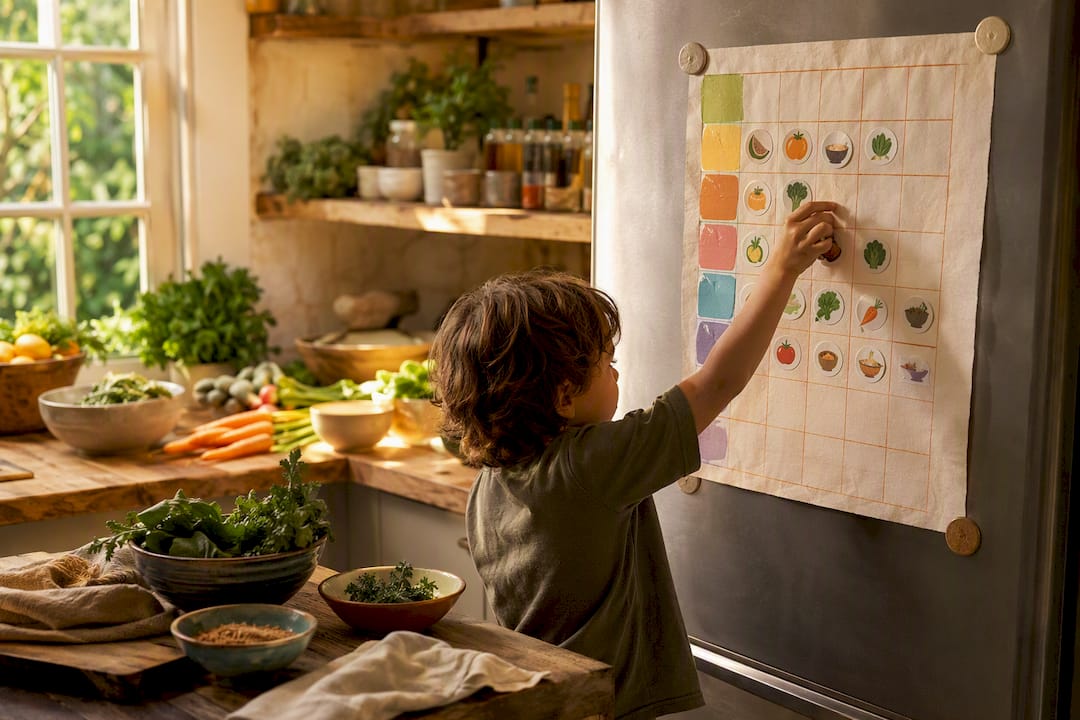
Pro Tip: A visual progress chart on the fridge, with a sticker for every organic meal tried, works better than verbal praise alone for younger children. Small, immediate rewards beat abstract health talk every time.
What pantry swaps should you make first?
Start with staples you already buy every week, since these are the easiest wins and the ones your family notices least.
-
Conventional oats → organic rolled oats
-
Regular tinned tomatoes → organic tinned tomatoes
-
Standard tinned beans → organic tinned beans and pulses
-
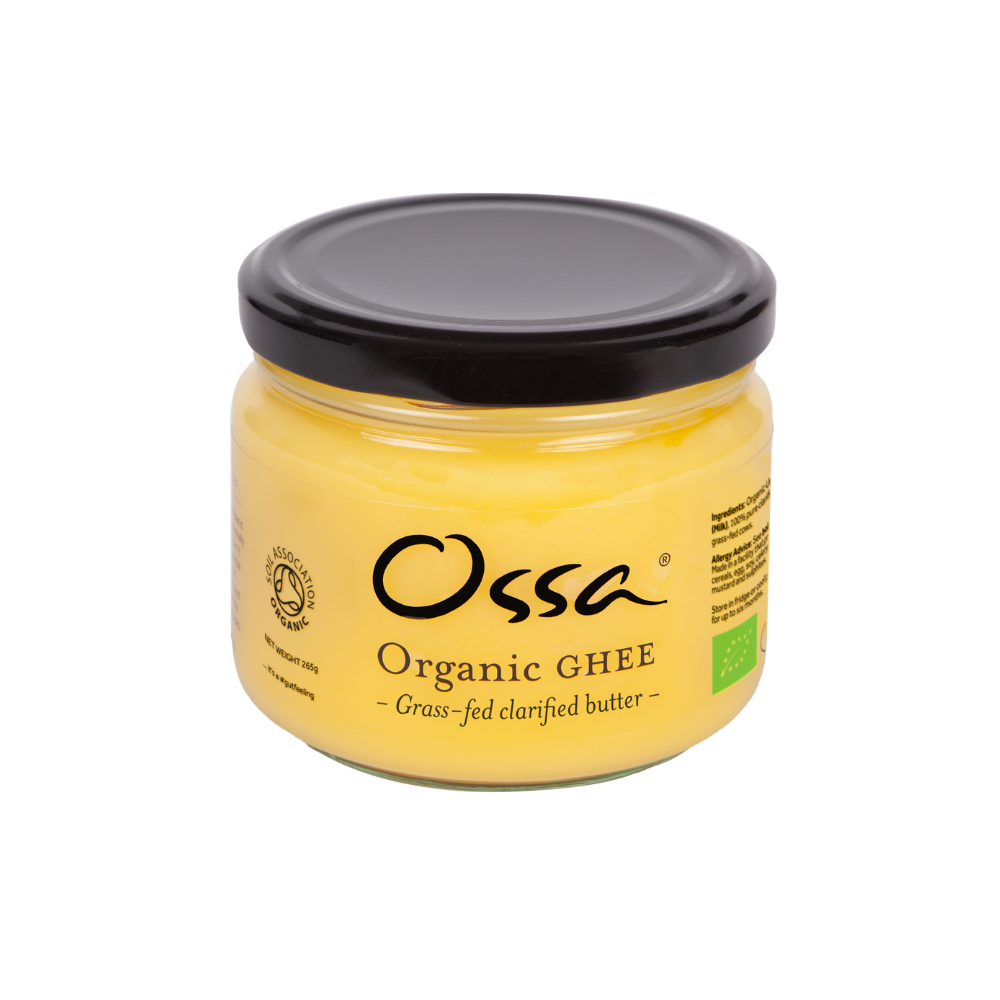
Vegetable oil → organic cooking fats such as ghee or tallow
Sample one-week shopping list for a family of four: Organic milk, organic eggs, organic apples and bananas, organic spinach, organic minced beef (one meal), organic bone broth, organic oats, organic tinned tomatoes, plus conventional avocados, sweetcorn, and onions to keep costs balanced.
Three simple recipes: porridge with organic oats and berries for breakfast, a one-pot organic mince and tomato pasta bake for dinner, and organic apple slices with nut butter as a snack. Freeze extra portions of the pasta bake in individual containers to cut waste, and batch-freeze organic berries when they’re on offer.
What milestones should you expect along the way?
Progress rarely feels dramatic week to week, so track it against fixed checkpoints instead of feelings.
-
Week 2: one or two staple swaps made, first organic meal cooked
-
Week 6: roughly a third of the weekly shop is organic, two organic meals per week established
-
Week 12: most high-priority items (produce, dairy, eggs) are organic, with a repeatable weekly menu in place
If spending or availability becomes a problem at any checkpoint, slow the pace rather than abandoning it. Stretching the 12-week plan to 16 or 20 weeks changes nothing about the outcome.
What does the research actually say about organic diets?
The evidence is genuinely useful, but it’s more measured than most marketing suggests.
-
Organic food consumption consistently reduces dietary pesticide exposure across clinical and observational studies
-
Some prospective research links higher organic intake with lower cardiometabolic risk markers, including obesity and hypertension
-
A systematic review of 35 papers found associations between organic diets and outcomes like lower allergic sensitisation and metabolic syndrome, but stopped short of proving direct causation
-
Long-term, whole-diet substitution trials are still needed before health authorities can make definitive claims
The practical takeaway for families: prioritise the foods with the highest pesticide exposure, and remember that overall diet quality, variety, and balance still matter more than an all-organic label on everything you buy.
Why gradual change works better than an overnight switch
I started Ossa Organic after discovering how much of a difference simple, real food made to my own health during pregnancy. What I’ve learned since is that families don’t fail at going organic because they lack willpower, they fail because they try to change everything at once and burn out by week three. Small, repeatable swaps, especially around the meals you already cook weekly, stick far better than a dramatic pantry overhaul.
Pro Tip: Keep a batch of ready-made bone broth on hand. It turns leftover roast bones or vegetable scraps into a nourishing base for soups and sauces, cutting both grocery waste and the temptation to reach for processed stock cubes.
How Ossa Organic fits into your organic transition
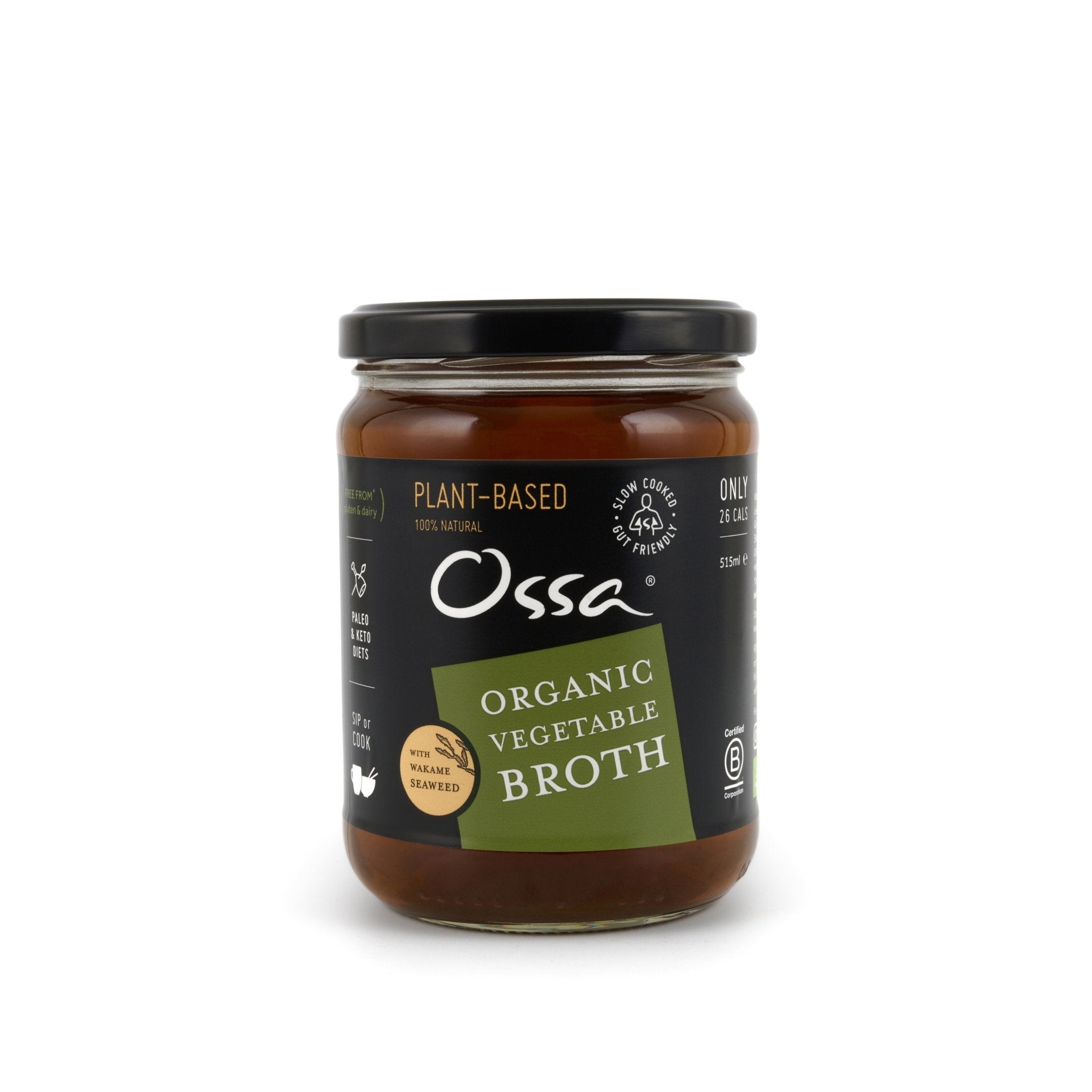
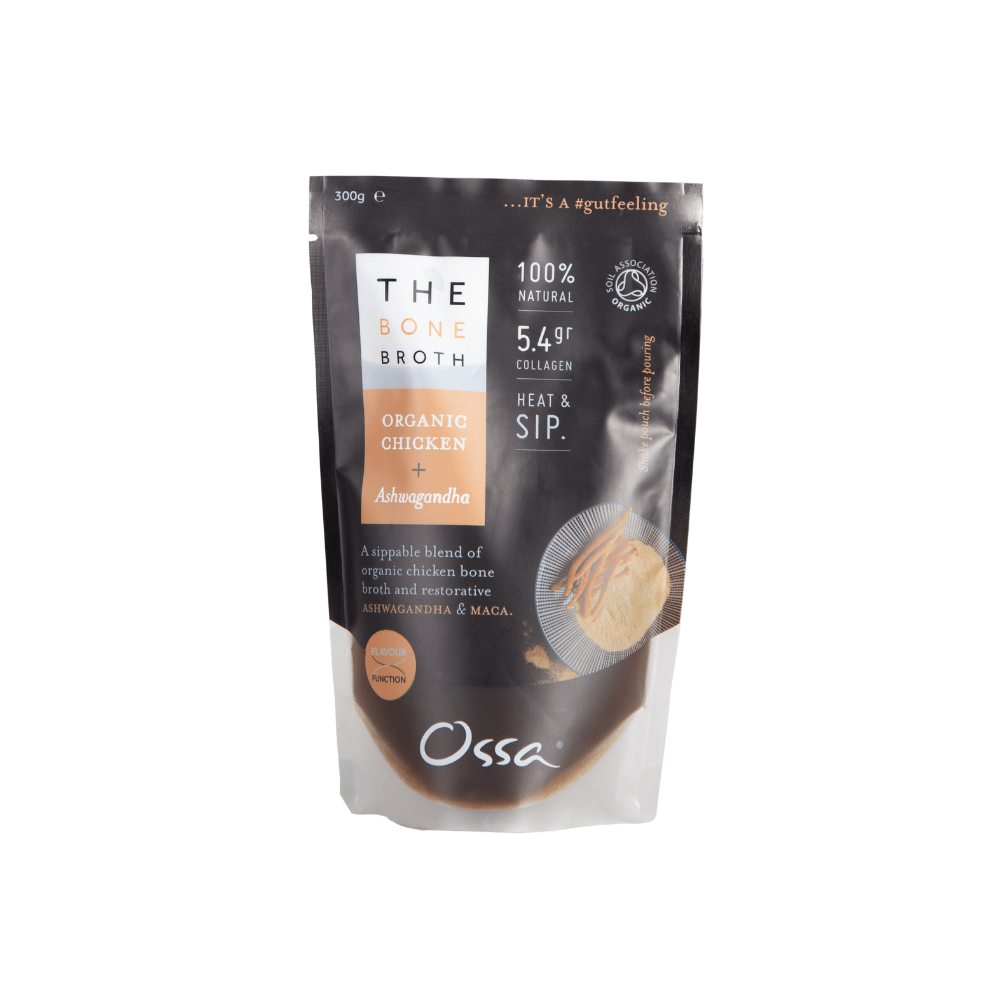
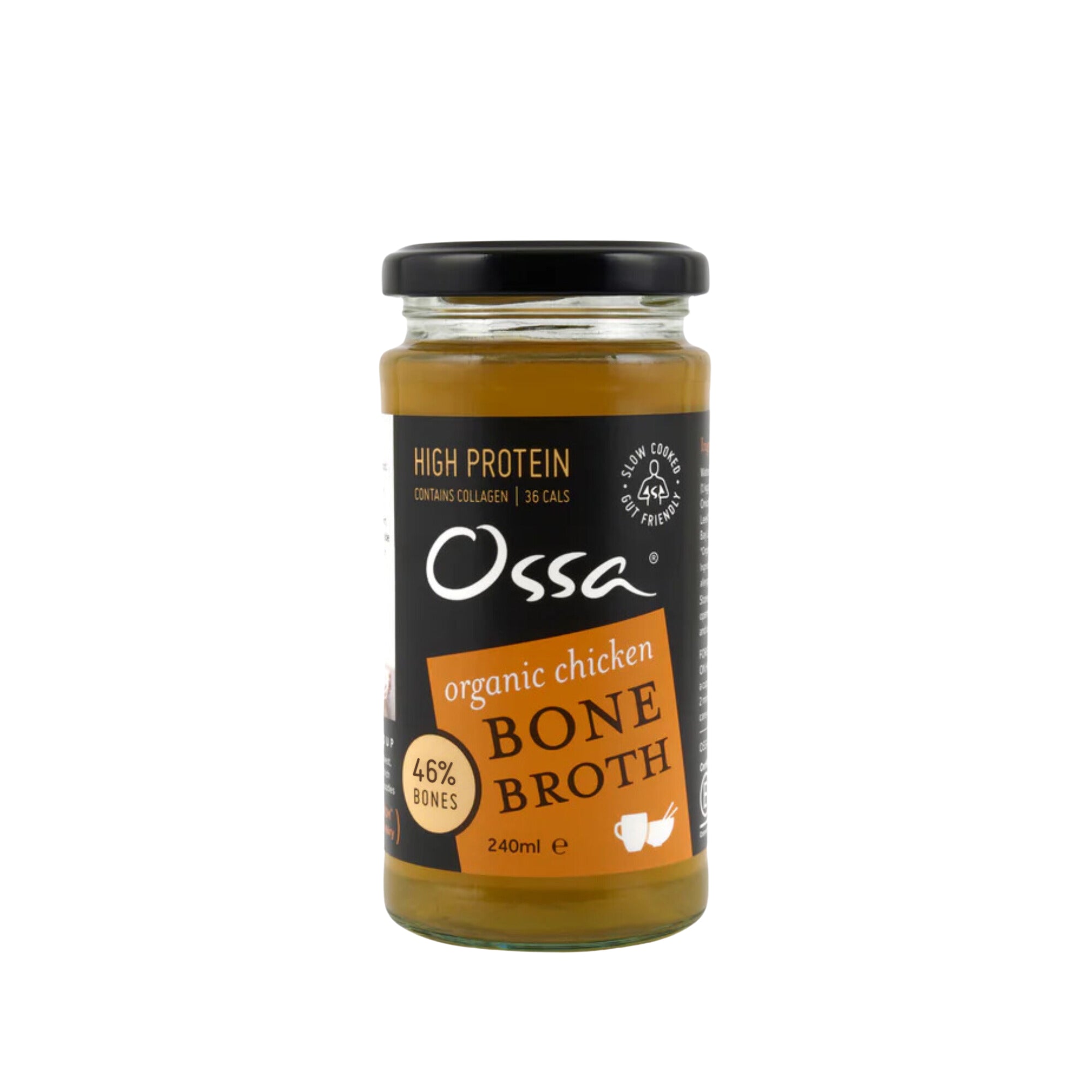
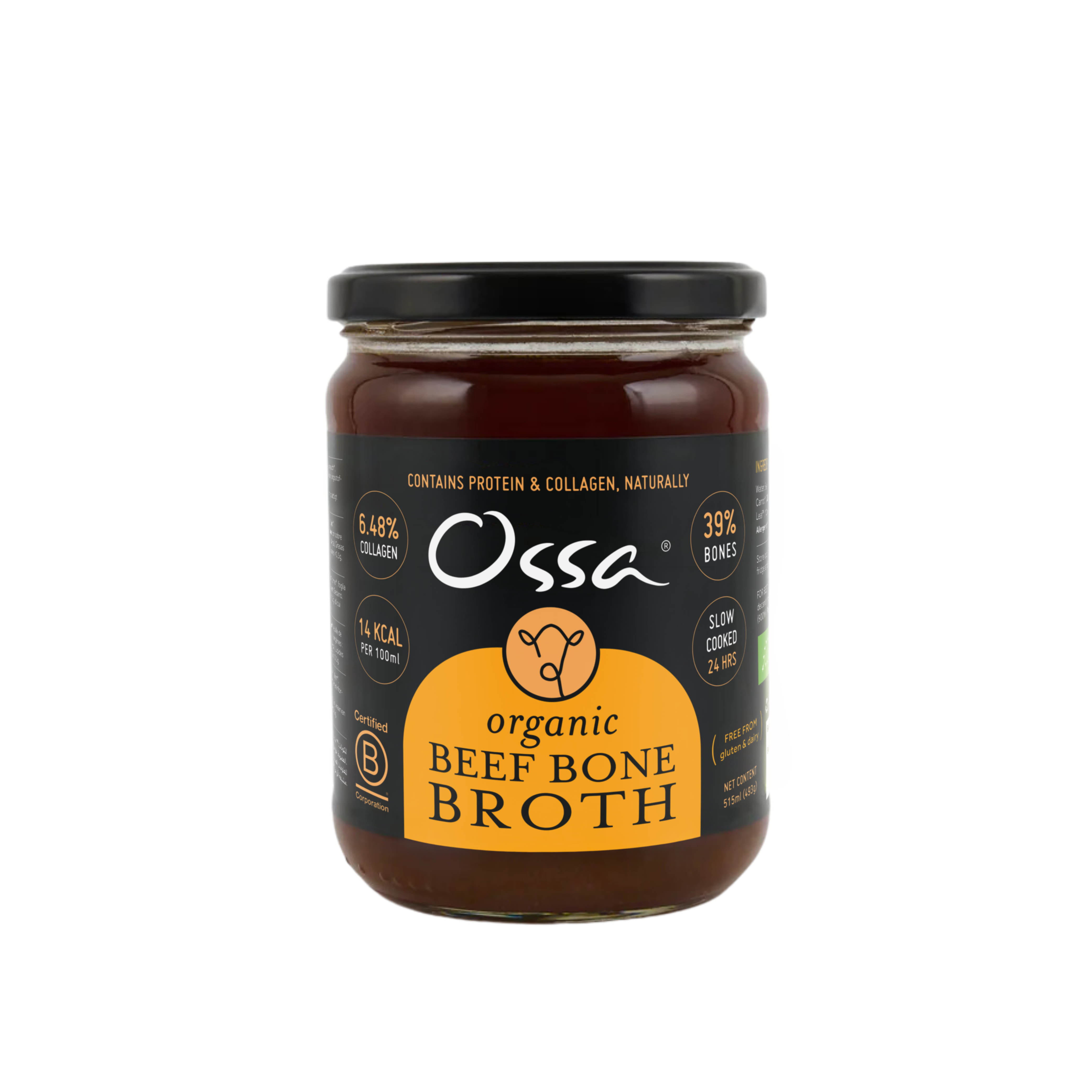
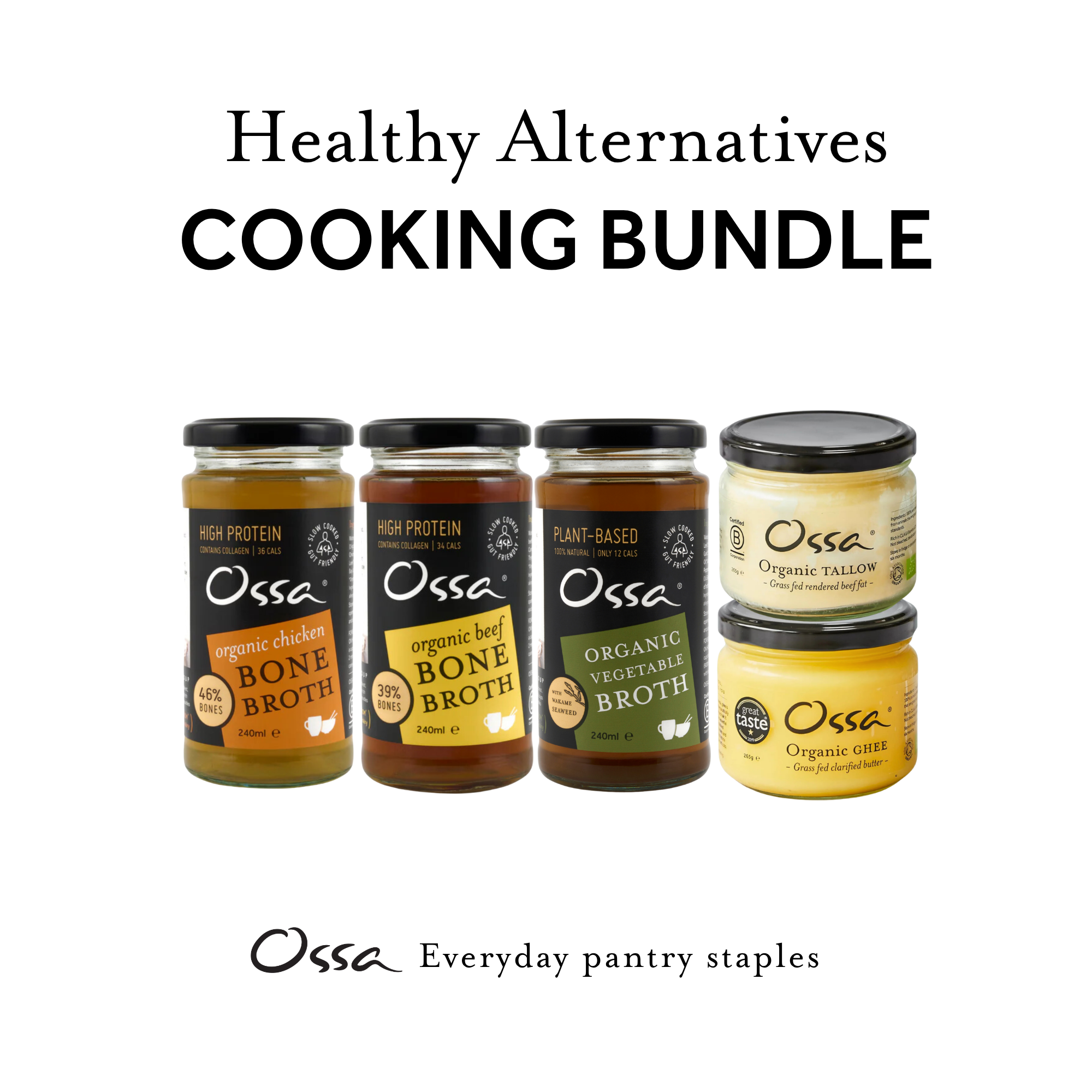
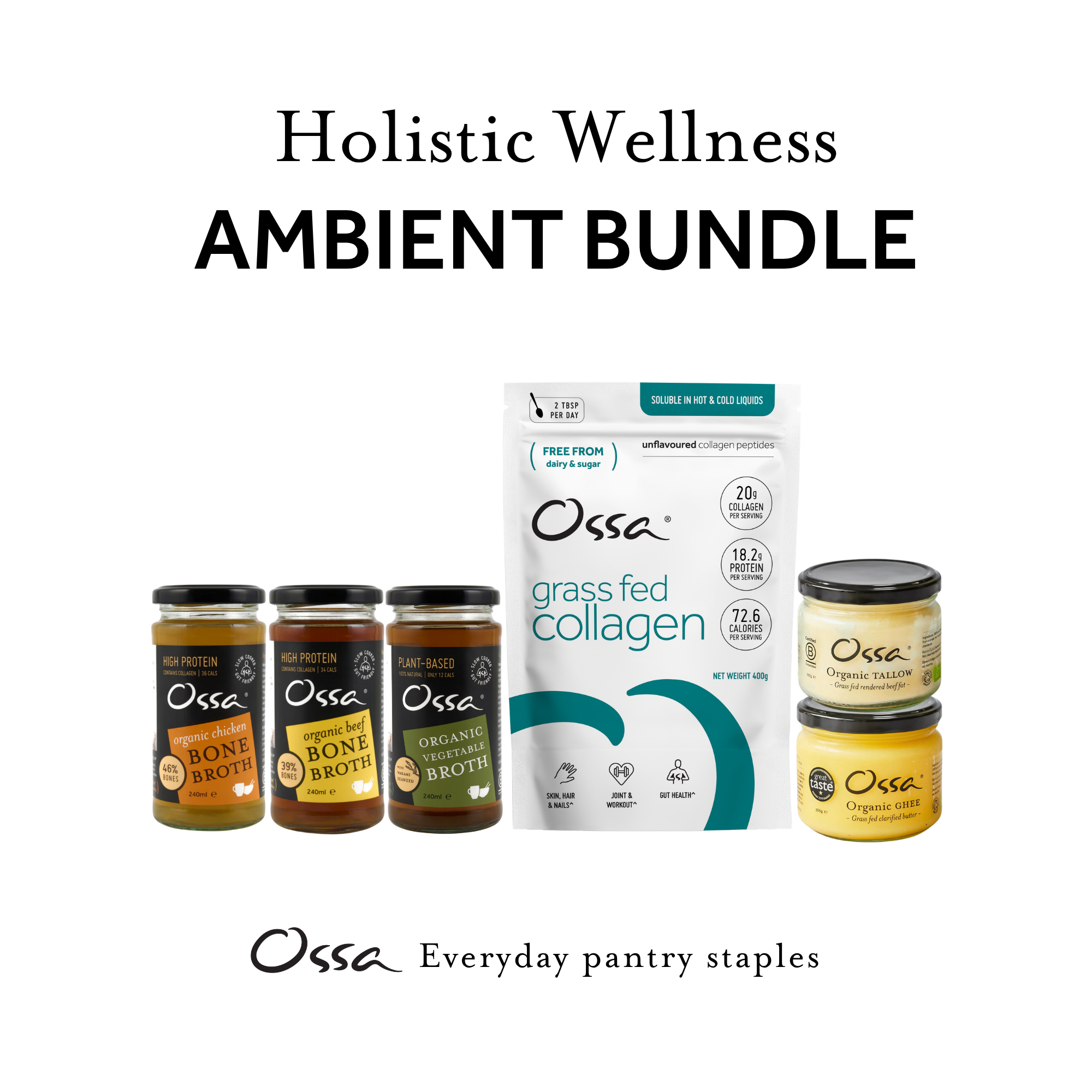
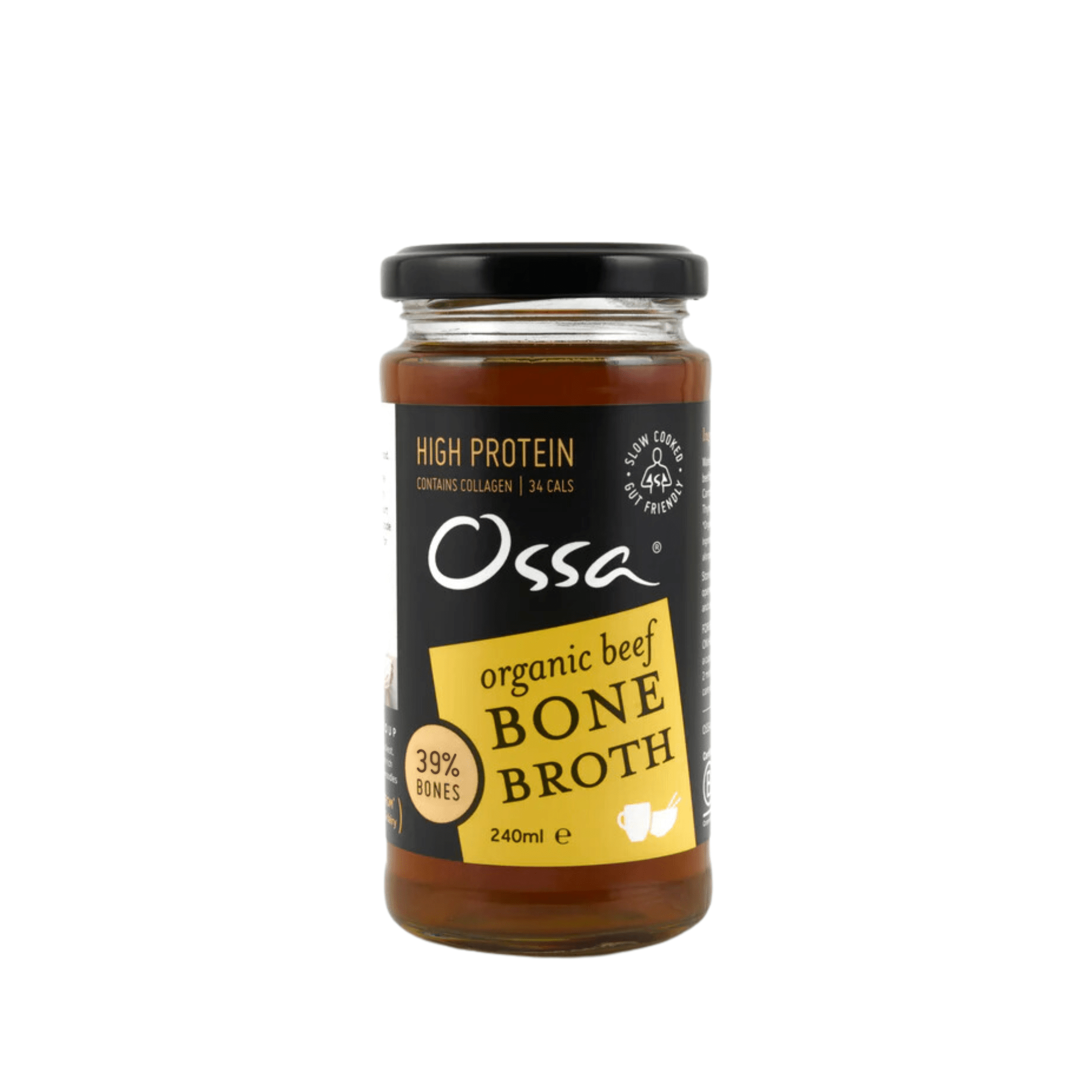
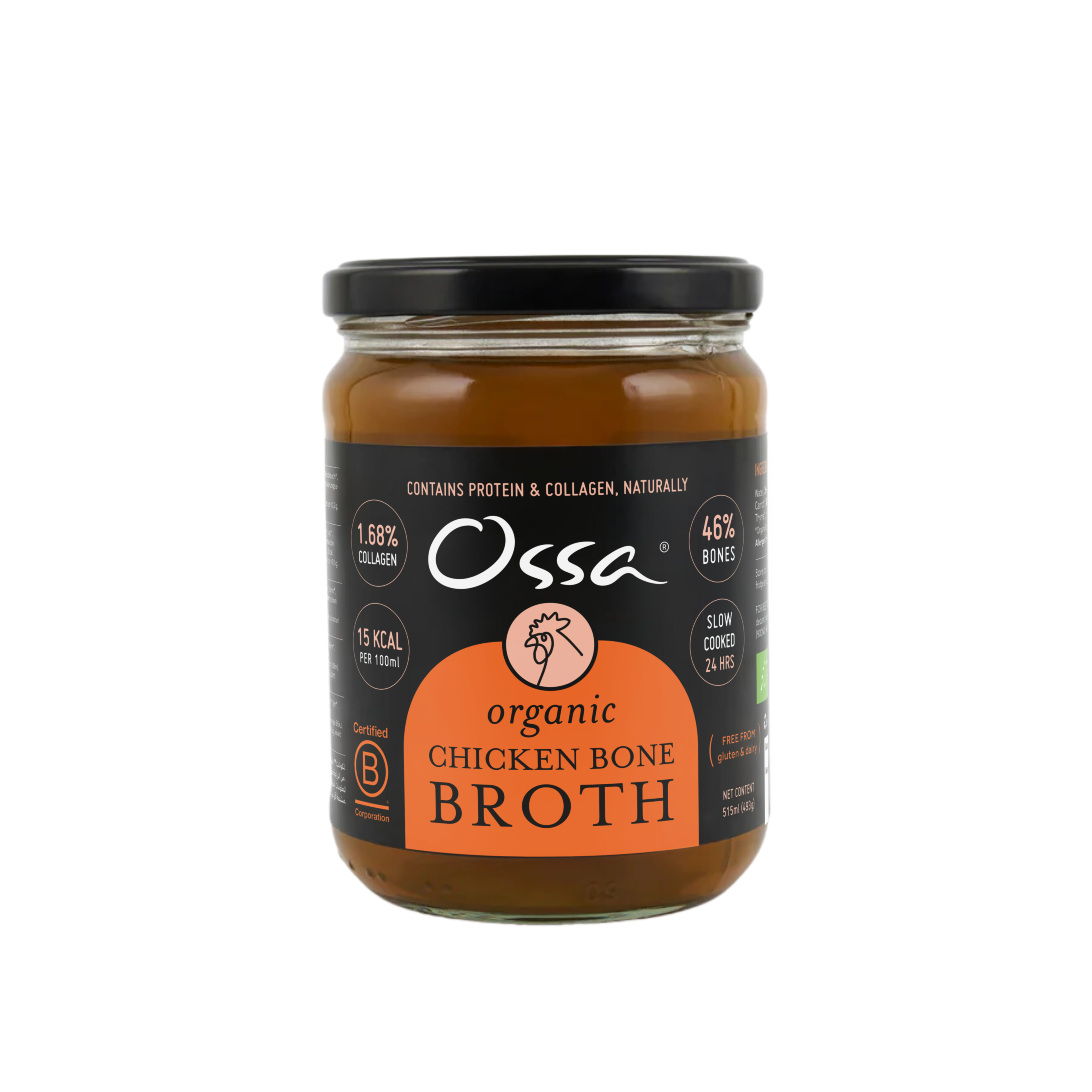
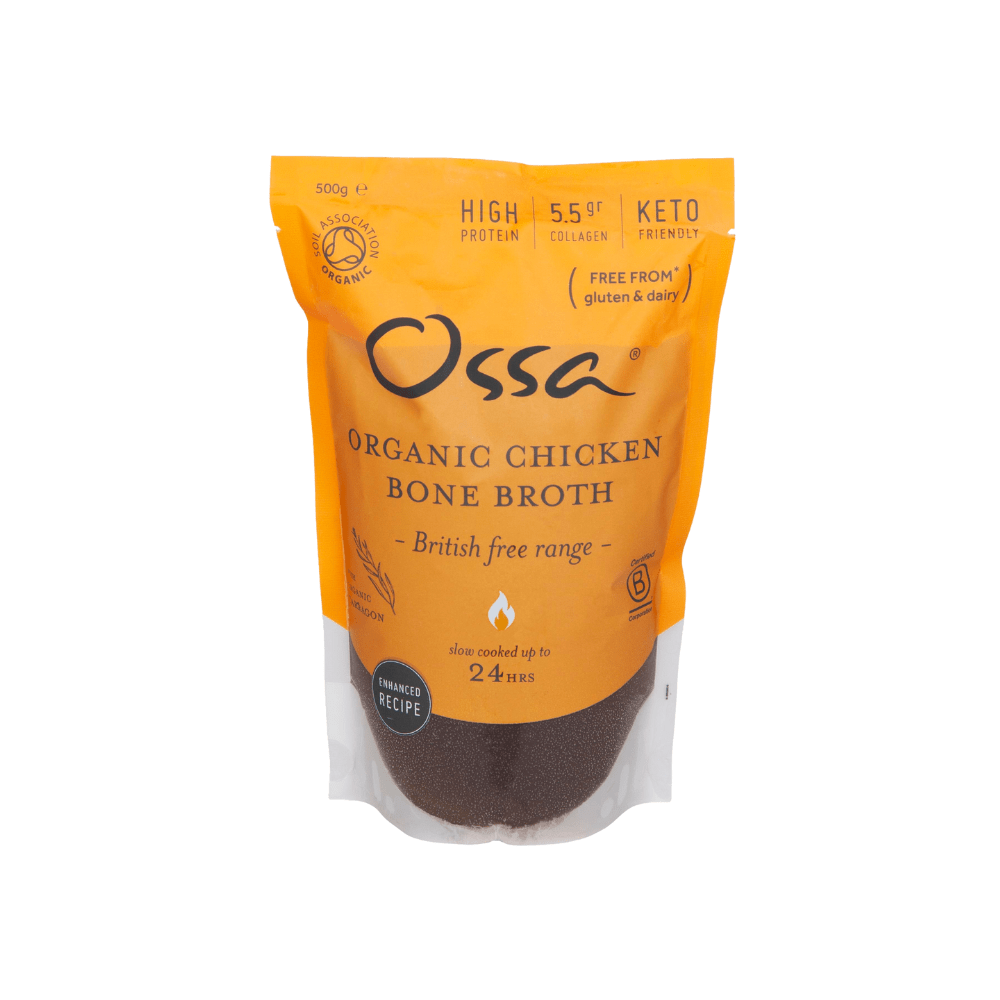
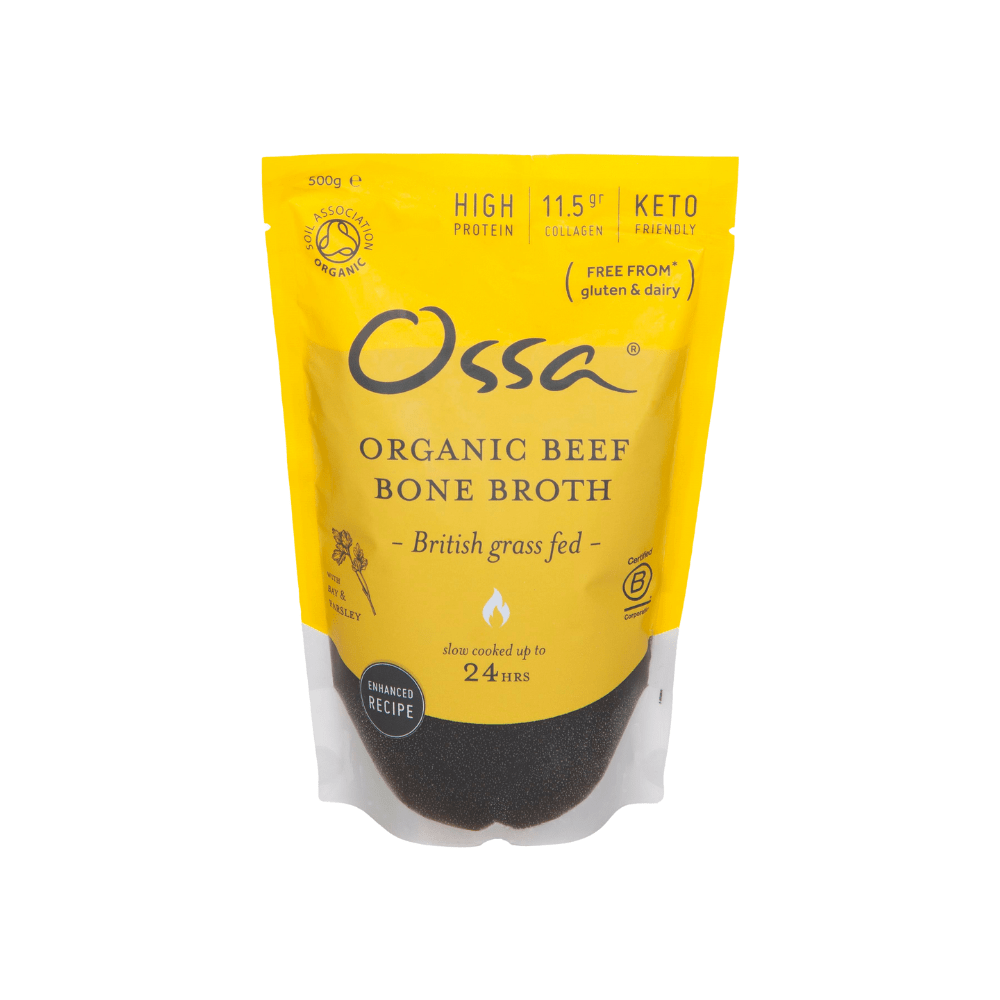
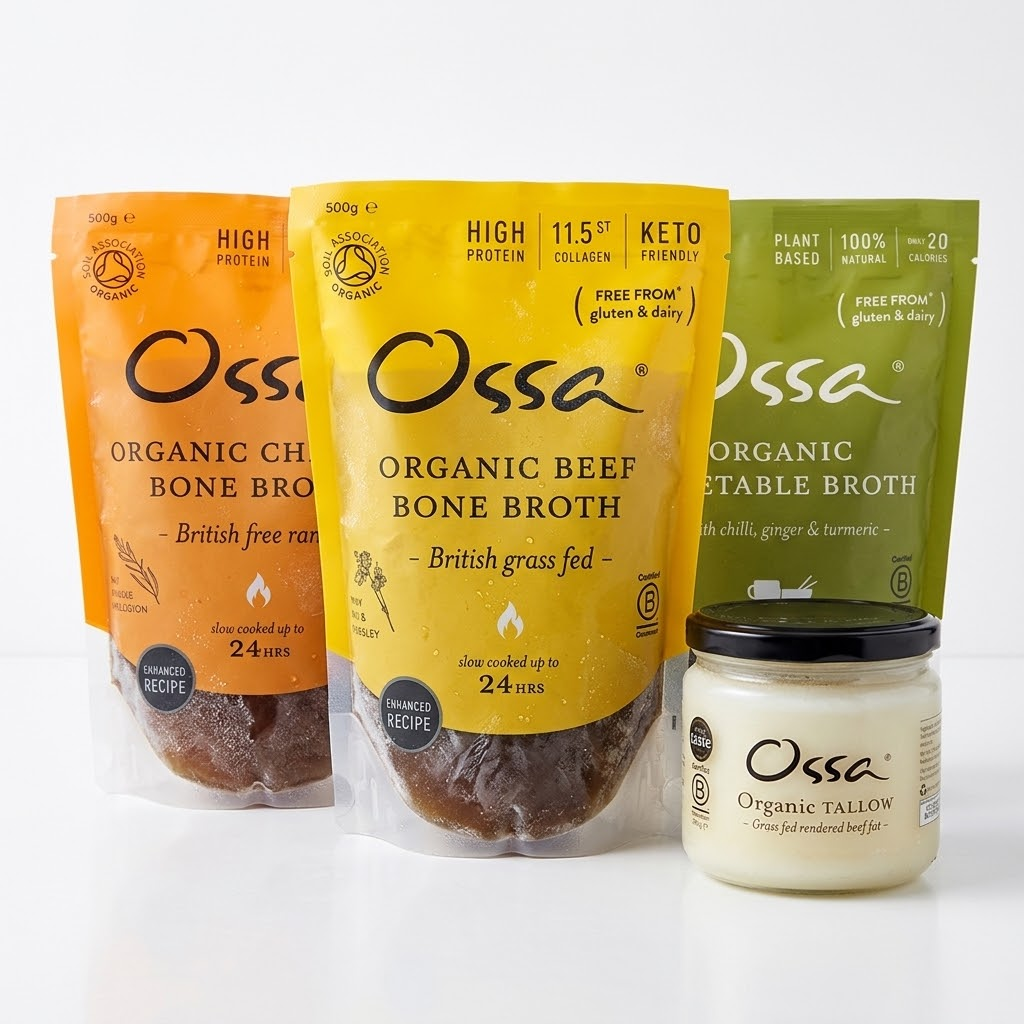
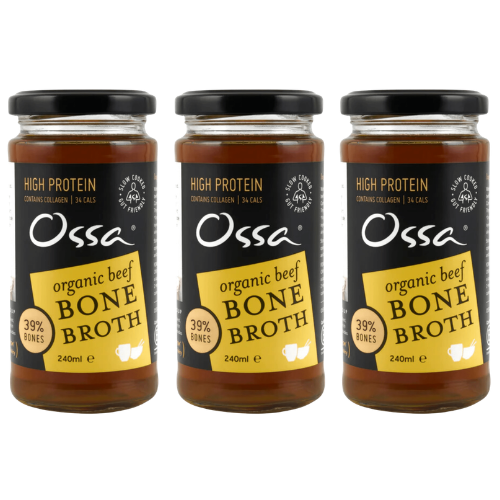
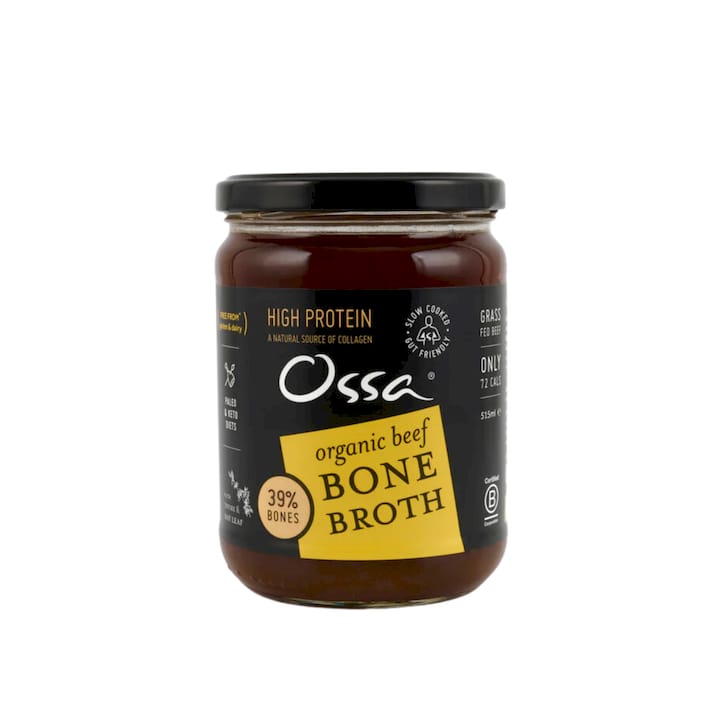
Cooking from scratch every night isn’t realistic for most families mid transition, which is exactly where a ready-to-use organic staple earns its place. Rather than buying bones and simmering stock for hours, keep 1x Organic Beef Bone Broth Ambient 515ml in the pantry for soups, stews, and sauces that stretch a small amount of protein across several meals. The Organic Free Range Chicken Bone Broth 500ml works the same way for lighter dishes, from risottos to poached chicken dinners, while the 1 x Organic Chicken Bone Broth Ambient 515ml is a practical ambient option for households without much freezer space. None of these replace a full organic shop on their own, but as one option among many, they’re a low-effort way to add a genuinely organic, preservative-free ingredient to meals you’re already cooking. Have a look at the full range and see what fits your week.
FAQ
What are three foods you should always buy organic?
Strawberries, spinach, and apples are a strong starting point, since all three carry high pesticide residue and are eaten frequently by children and adults alike.
Is eating organic actually healthier?
Organic food reliably reduces dietary pesticide exposure, and some observational studies link it to lower cardiometabolic risk, but a definitive causal health benefit hasn’t yet been proven in long-term clinical trials.
What’s the cleanest food you can eat?
There’s no single “cleanest” food, but produce low in pesticide residue, like avocados, sweetcorn, and pineapple, combined with organic dairy and high-residue produce, gives the best overall reduction in exposure.
What happens when you switch to a plant-based diet?
Switching to plant-based eating alongside an organic transition can further reduce pesticide and antibiotic exposure from animal products, though nutrition experts stress that variety and balance matter more than cutting out any single food group entirely.
How long does it realistically take to transition a family to organic?
Most families see meaningful change within 6 to 12 weeks by adding one or two organic swaps per week rather than switching everything at once.
Recommended