Organic ingredients
•
Naturally nourishing
•
Made with care
We've sent you an email with a link to update your password.
Reset your password
We will send you an email to reset your password.
Preservative Free Lunch Ideas: Broth and Ghee for UK Families
Ralph Barrozo
0 comments
The fastest route to preservative-free lunches is building each box from four parts: a wholegrain starch, a protein, vegetables and fruit, then leaning on three quick methods, batch-cooking, grab-and-go assembly and kid-friendly single portions. Keep everything chilled in an insulated bag with an ice pack, or packed hot in a flask, and the rest is just rotation.
TL;DR:
A balanced lunch includes one portion each of starch, protein, vegetables, and fruit; leave processed meats, crisps, cakes, and sweetened drinks out.
Cook soup and frittata at the weekend, then freeze cooled portions individually; most remaining lunches need only quick assembly or a two minute reheat.
Pack cold lunches with an ice pack; reheat meals until piping hot only once, and discard perishables left out over two hours in hot conditions.
For children aged one to five, avoid E211 and caffeine, and choose unsweetened, fortified plant milk when replacing dairy; serve smaller portions.
Ossa Organic
Make Lunches With Natural Staples
Ossa Organic makes foods with organic ingredients and slow cooking techniques, inspired by traditional, nourishing family meals.
At-a-glance: quick preservative-free lunches to pack now
When you need a decision rather than a lecture, these options cover most lunchboxes without a single additive label to check.
Roasted-veg and hummus pitta: 5 minutes if the veg is already roasted; good for office or child; cold.
Egg-and-avocado sandwich on wholegrain bread: 8 minutes; office or child; cold.
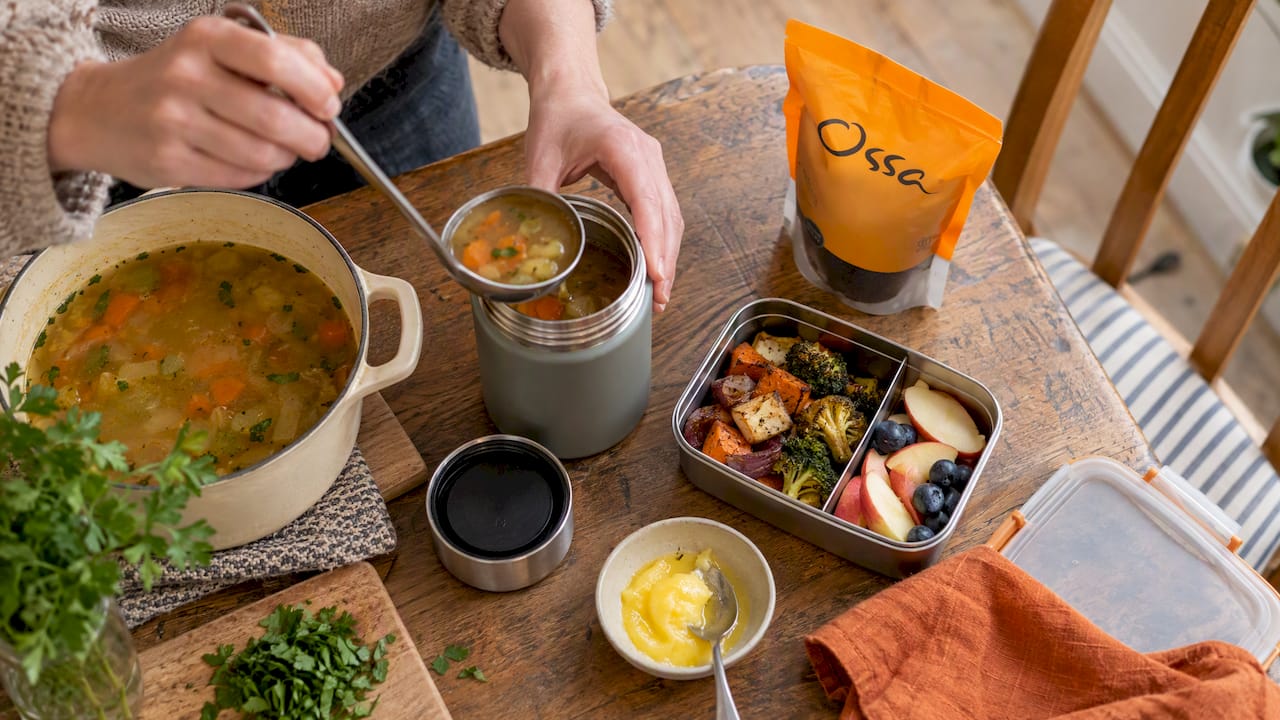
Bone broth soup in a flask: 2 minutes to reheat from batch-cooked stock; best for colder days; hot.
Tuna or pulse salad pot: 6 minutes; office-friendly; cold.
Pasta-and-veg salad: batch-prepped, 3 minutes to portion; works for both adults and children; cold.
Frittata slice with fruit: batch-baked, grab a slice; child-friendly; cold or lightly warmed.
For children, halve the portion size and swap any dairy for an unsweetened, fortified plant milk if needed.
Preservative-free lunch ideas for every type of week
Different days call for different effort levels. These five groups cover batch-cook, on-the-move, protein-focused, child-safe, and reheated meals so you are never stuck reaching for a wrapped deal-meal.
Batch-cook bases
Hearty vegetable soup: simmer root veg, lentils and stock, then portion into flask-sized containers and freeze what you will not eat within 48 hours.
Frittata slices: bake a tray with eggs, spinach and leftover roast veg, then cut into portions that reheat or eat cold.
Grain bowls: cook a large batch of rice, quinoa or farro, then mix in roasted vegetables and a protein for each day’s box.
Batch-cooking staples such as soups and roasted vegetables at the weekend gives you quick, preservative-free lunches across the working week, cutting the temptation to reach for a convenience meal deal that often hides sodium and preservatives behind a short ingredients list.
Pro Tip:Freeze soups and grain bowls in individual portions straight after cooling so lunch is a two-minute reheat, not a thirty-minute cook.
Grab-and-go assemblies
Wraps filled with hummus and roasted vegetables travel well without refrigeration for a few hours. Grain salads built around tinned fish or pulses need no reheating and hold their texture until the next day. Bento-style boxes work well for mixing sliced fruit, raw veg sticks and a protein portion into separate compartments, which also helps with portion control for younger children.
High-protein swaps
Boiled eggs, tinned tuna or sardines, a simple lentil salad and leftover roast chicken all deliver protein without a preservative in sight. Plant-based eaters can swap in marinated tofu, chickpeas or a mixed bean salad for the same effect.
Kid-friendly packs
For children aged one to five, plant-based milks should be unsweetened and fortified, and certain additives, including the preservative E211, along with caffeinated drinks, are best avoided entirely. Older children can handle the same building blocks as adults, just in smaller, simpler assemblies: think cheese and cucumber sticks, a small wholegrain roll, and fruit cut into manageable pieces.
Heat-and-eat options
A small pasta bake portion or a chilli packed into a flask reheats in minutes and holds its texture better than most people expect. When reheating from the fridge, heat food until it is piping hot throughout, and only reheat once.
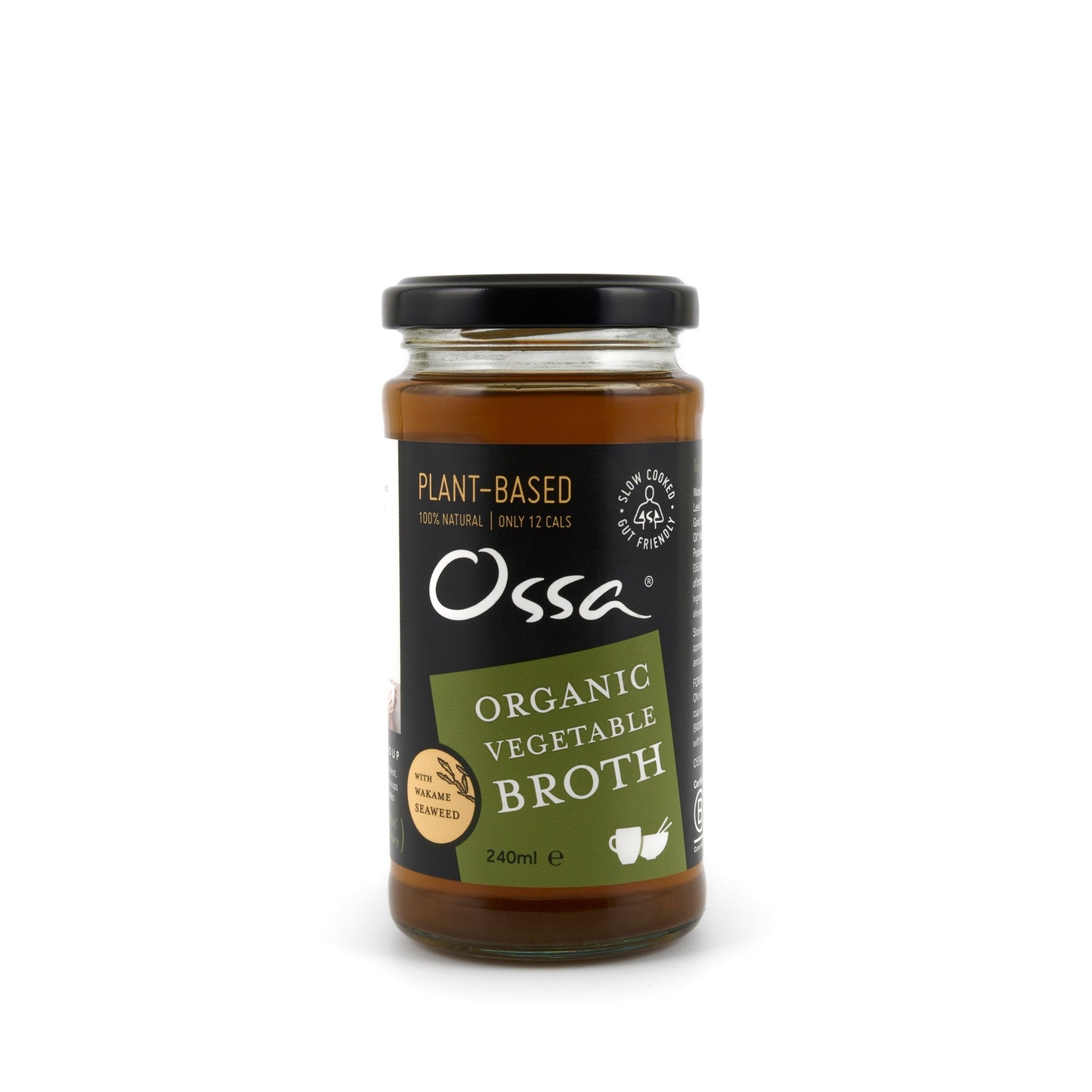
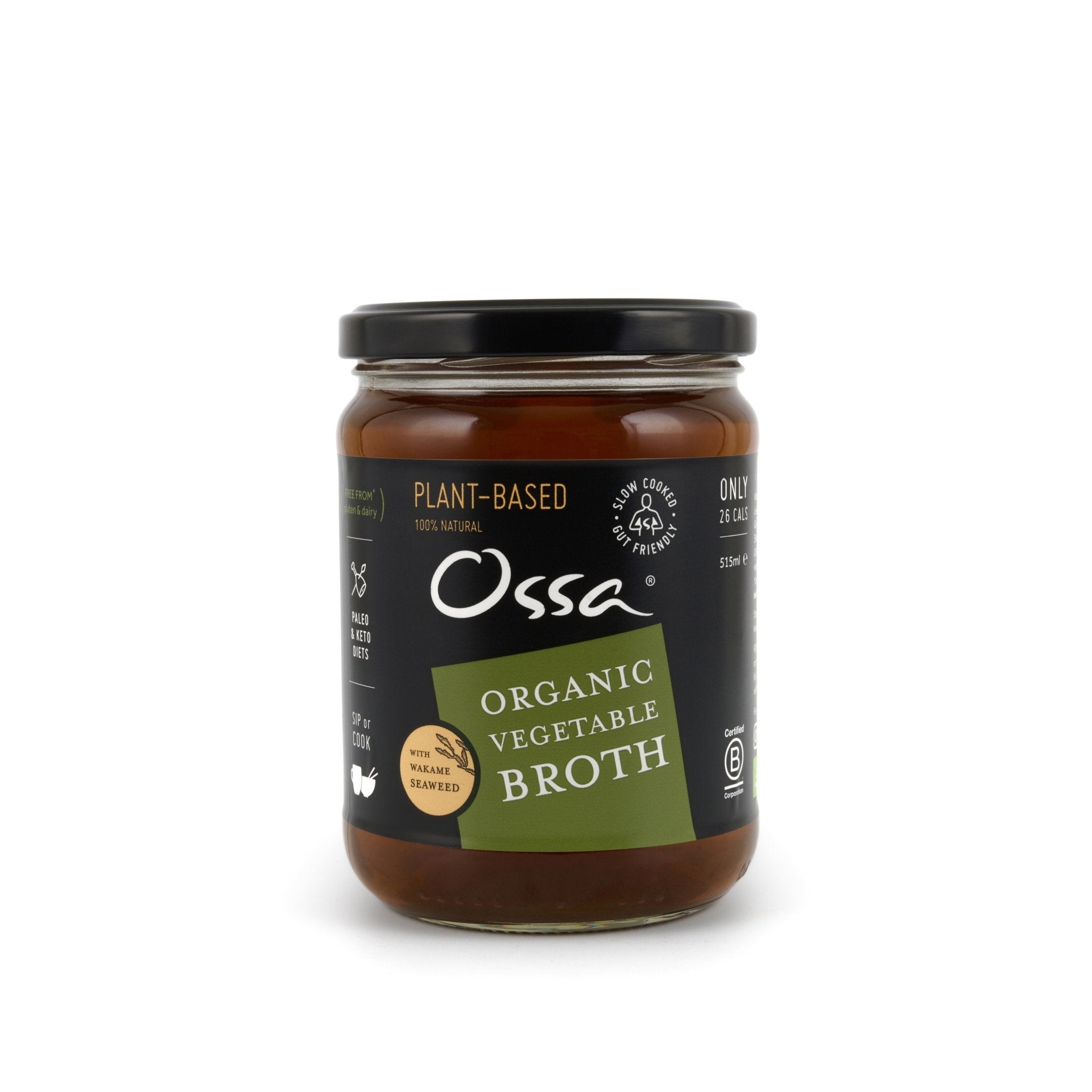
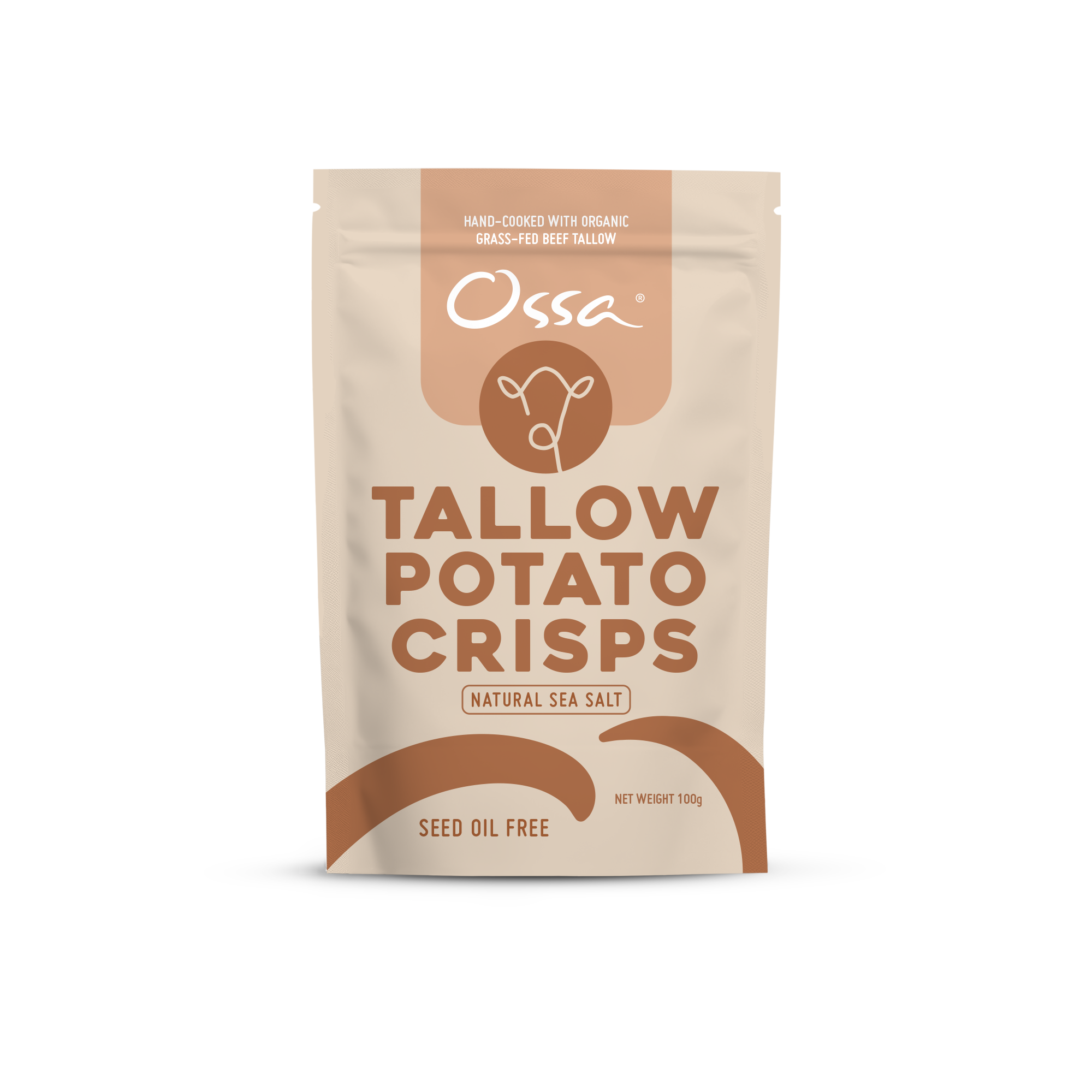
Several of these ideas get easier with pantry staples built for exactly this job. Bone broth makes a fast soup base or a flavourful liquid for cooking grains. Collagen stirred into porridge or a smoothie adds protein and a smoother texture without changing the taste much. Fats like ghee or tallow give roasted vegetables a stable, savoury finish that holds up well even after a few hours at room temperature, and some crisps made from these fats can serve as occasional, preservative-free alternatives to shop-bought packets.
How to build a balanced preservative-free lunch
A balanced lunchbox follows a simple pattern rather than a complicated formula. A healthy packed lunch should include one portion of starchy carbohydrate, one source of protein, at least one portion of vegetables and at least one portion of fruit, while processed meats, crisps, cakes and sweetened drinks are best left out.
Starch: one slice of wholegrain bread, or around half a cup of cooked rice or pasta.
Protein: one boiled egg, a small tin of fish, or a handful of beans or lentils.
Vegetables: a handful of raw veg sticks or a cup of roasted vegetables.
Fruit: one whole fruit or a small handful of chopped fruit.
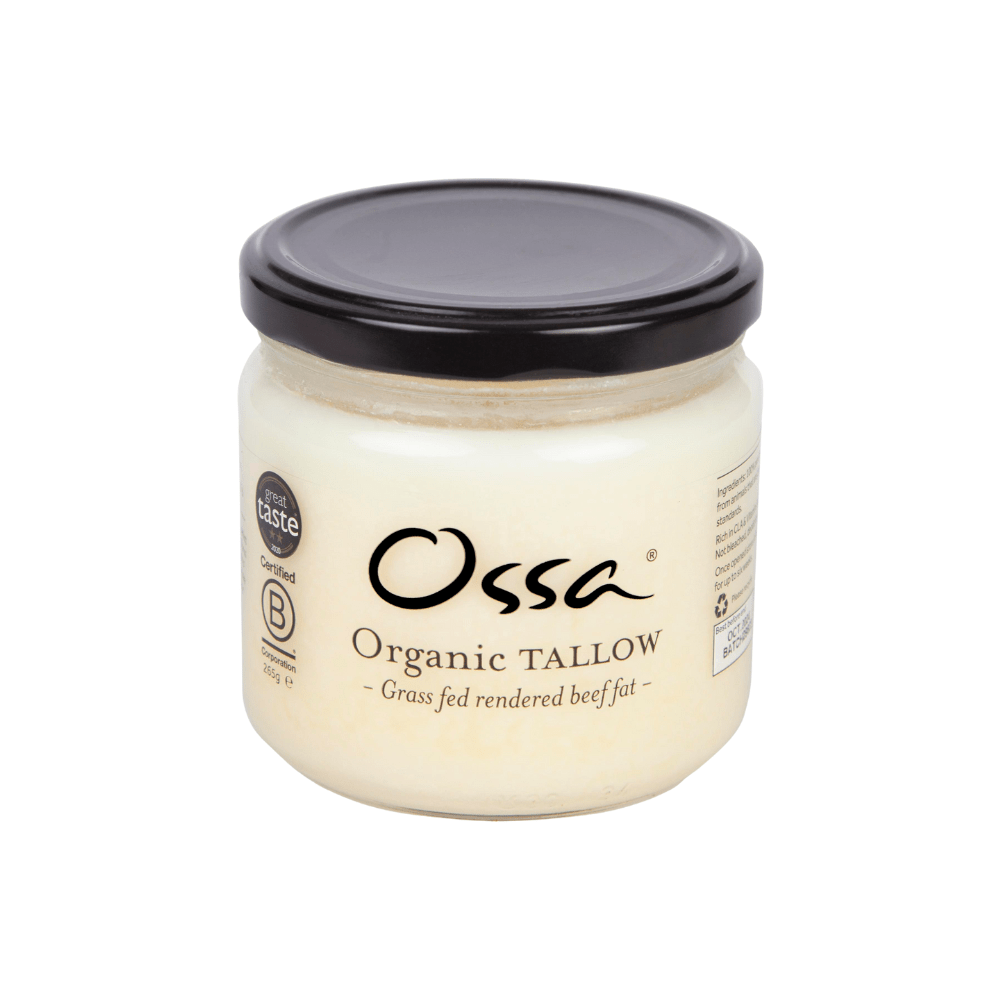
Fats: a drizzle of olive oil, ghee or tallow used in cooking rather than a processed spread.
For under-fives, keep an eye on additives and caffeine, and choose unsweetened, fortified plant milks if dairy is being swapped out.
Batch-prep and food safety for packed lunches
Good ingredients only stay preservative-free if they are handled safely, and the steps are straightforward once they become habit.
Cool quickly: spread hot food out to cool within about an hour of cooking, rather than leaving a covered pot to cool slowly on the side.
Refrigerate or freeze promptly: once cooled, move food to the fridge or freezer rather than leaving it at room temperature.
Pack with ice: use an insulated bag with a gel ice pack, or freeze a small drink overnight so it doubles as an ice block and a chilled drink by lunchtime.
Separate raw and cooked items: use airtight containers and keep raw salad items away from cooked proteins to avoid sogginess and cross-contamination.
Reheat once: if a lunch needs reheating, bring it to piping hot and do not reheat the same portion twice.
Perishable food left out of the fridge for more than two hours in hot conditions should be thrown away rather than eaten, which is a simple rule that matters as much as any ingredient choice when the weather turns warm.
A five-day sample plan for preservative-free lunches
A week built on two batch-cooked bases and a few quick assemblies removes most of the daily decision-making.
Monday: bone broth vegetable soup in a flask, wholegrain roll.
Tuesday: grain bowl with roasted veg and chickpeas (swap in leftover chicken for extra protein).
Wednesday: wrap with hummus, roasted veg and salad leaves.
Thursday: frittata slice, fruit and veg sticks (dairy-free version: swap in a plant-based frittata mix).
Friday: tuna or lentil salad pot with wholegrain crackers.
Shop for the week’s vegetables, grains and proteins in one trip, then batch-cook the soup and frittata at the weekend so the rest of the week is assembly only.
Practical ways to use Ossa Organic staples in lunch prep
A few pantry basics do a lot of the work once you know where they fit.
Use bone broth as the base for a flask soup or to cook grains with extra flavour; our Bone Broth on the Go guide walks through the method step by step.
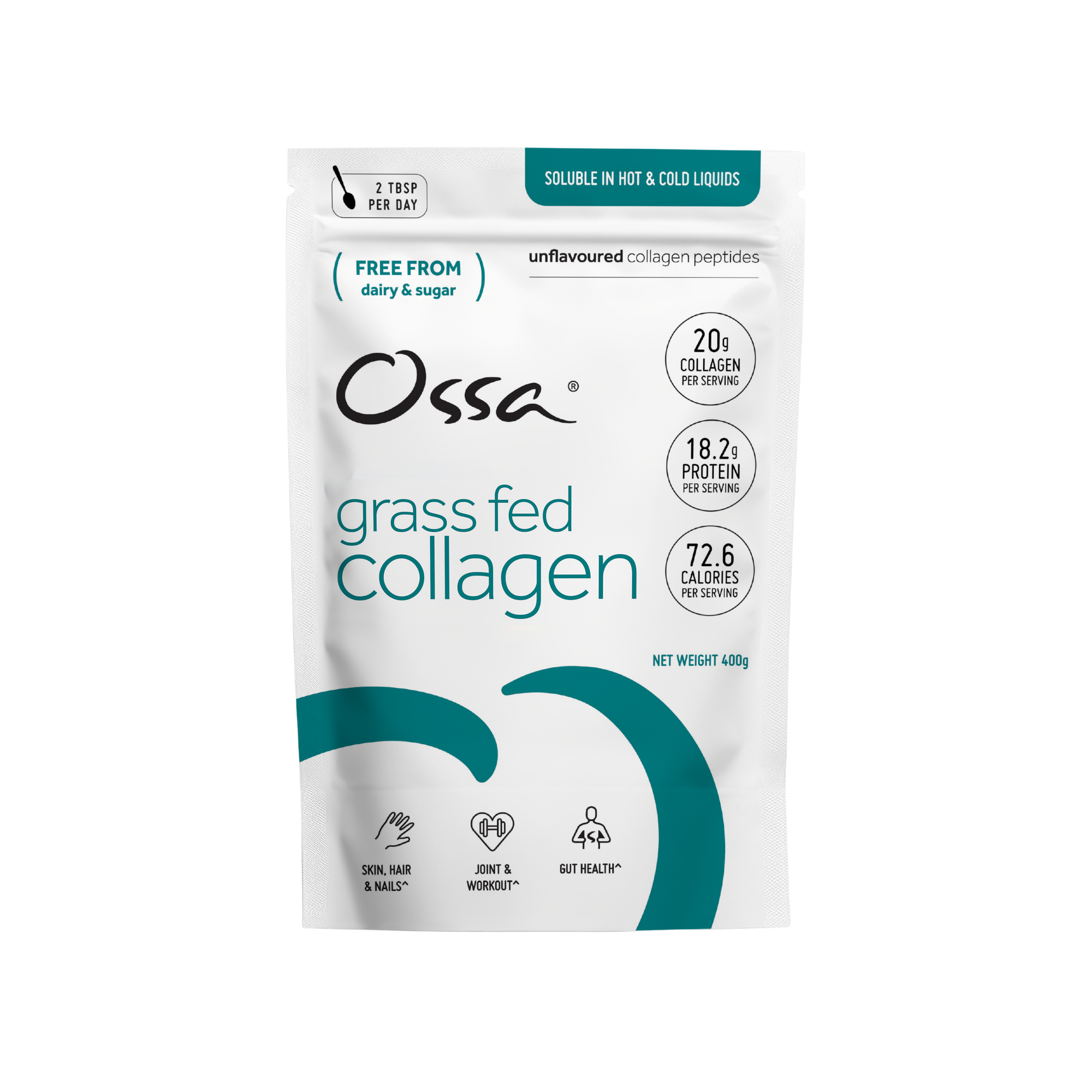
Stir collagen into porridge or a smoothie for a thicker texture and extra protein.
Roast vegetables in ghee or tallow for a stable, savoury finish that holds up well in a packed lunch.
If you are looking for more general batch-cooking habits, the practical tips in Wild Foodz’s meal-prep guide cover timing and storage for busy cooks outside the kitchen as well.
Why preservative-free lunches matter to us
Bone broth changed how our family ate during pregnancy, and it became the starting point for a kitchen built on slow-cooked, additive-free meals rather than shortcuts. One habit worth trying this week: batch-roast a tray of vegetables or freeze a pot of soup in portions, then build the rest of your lunches around it. Our blog has more ideas for turning that habit into a full week’s rotation.
— Ossa Organic
Shop-ready staples that make packing easier
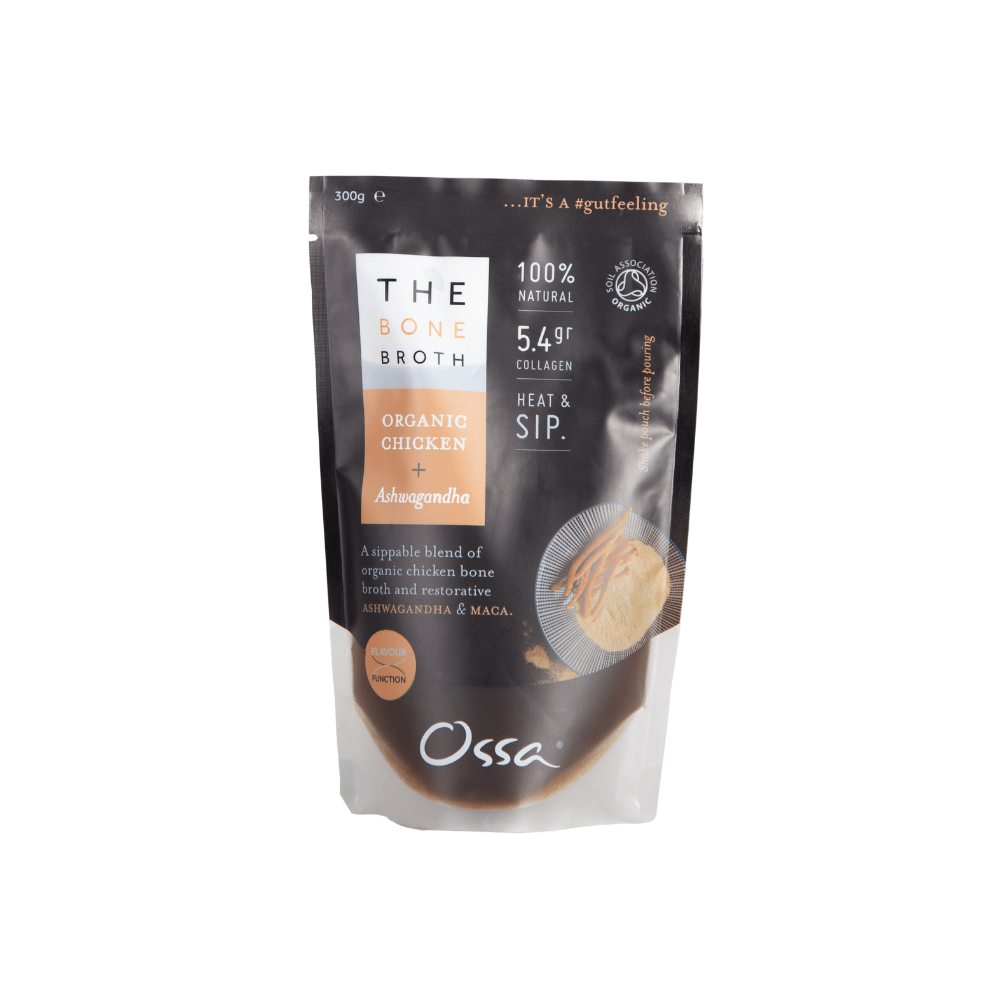
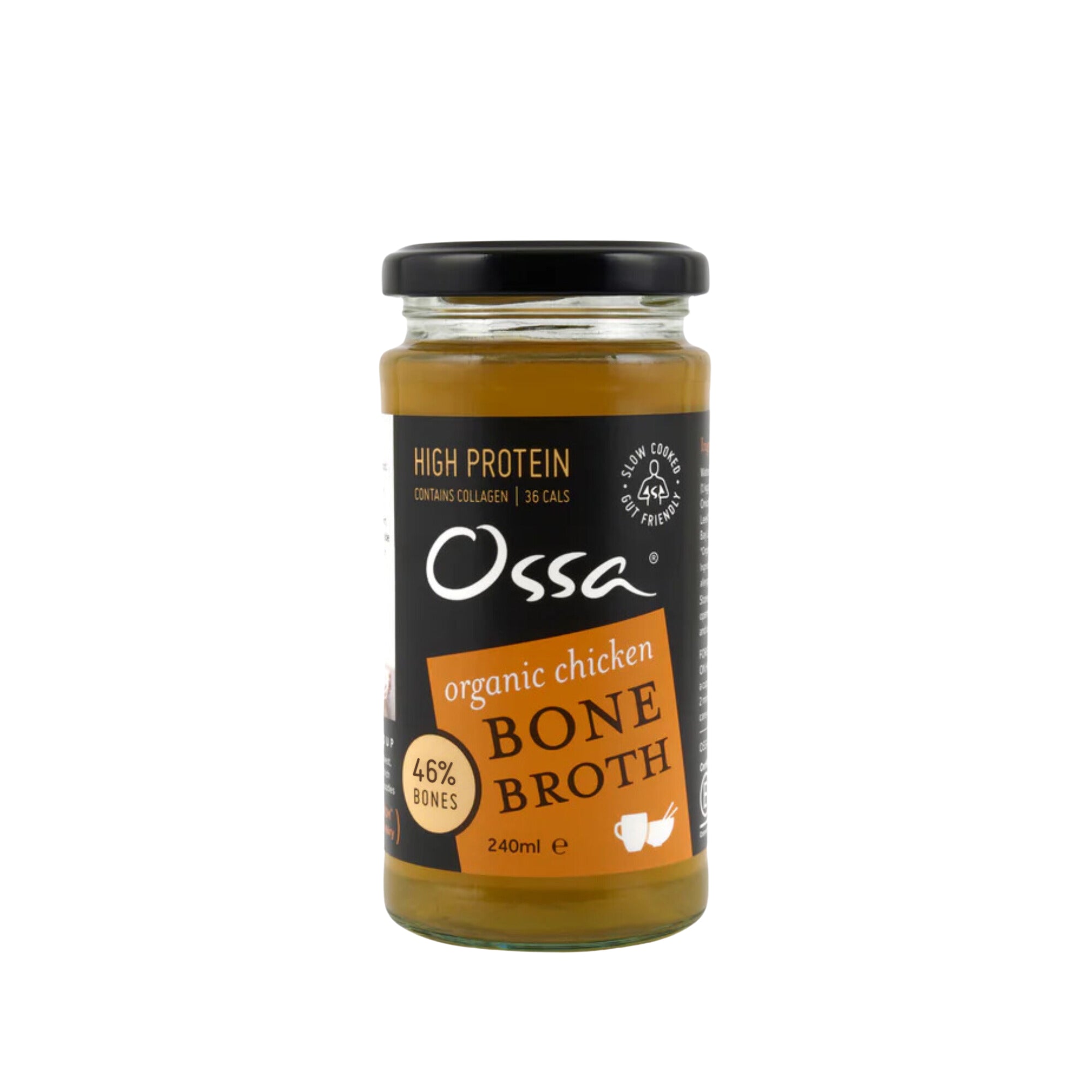
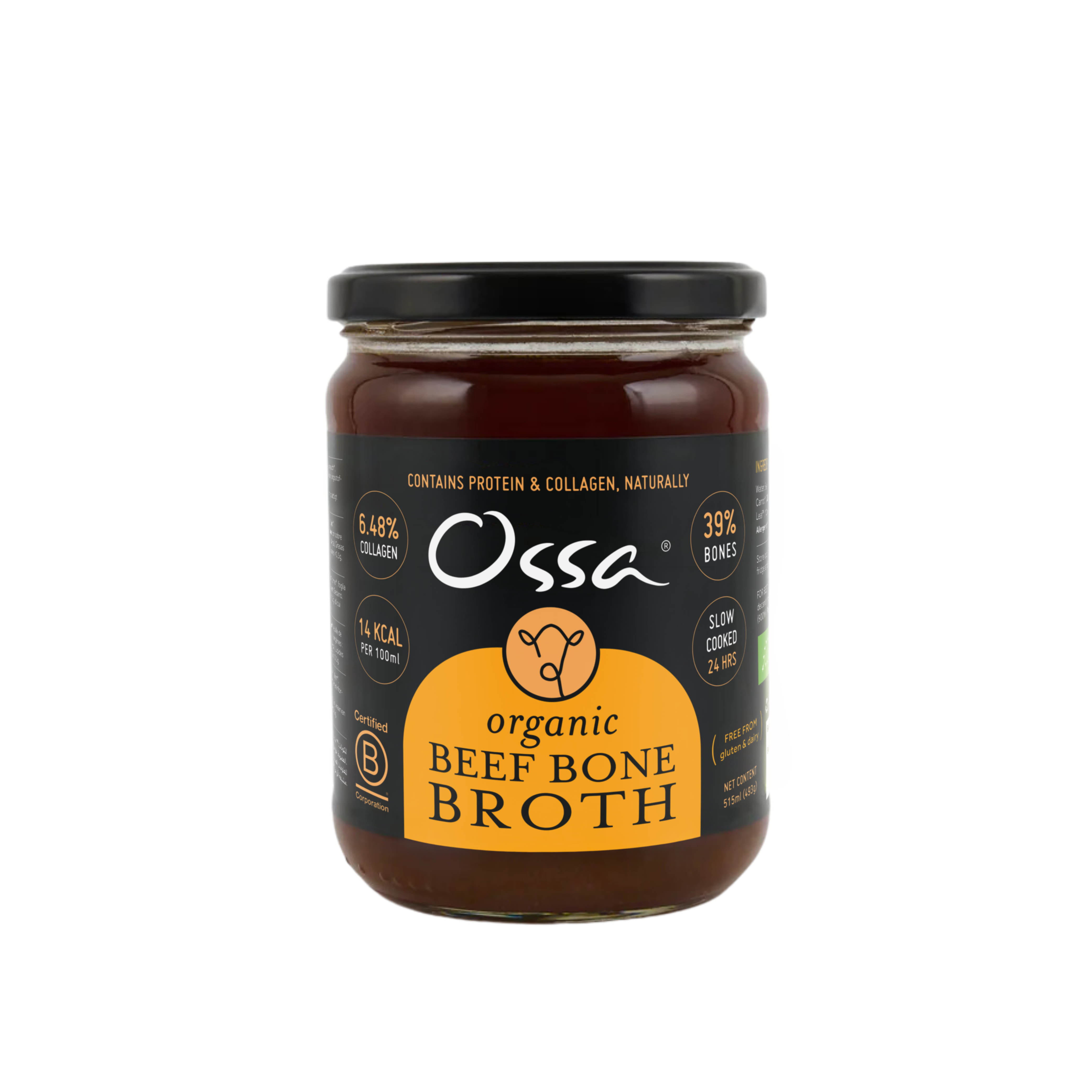
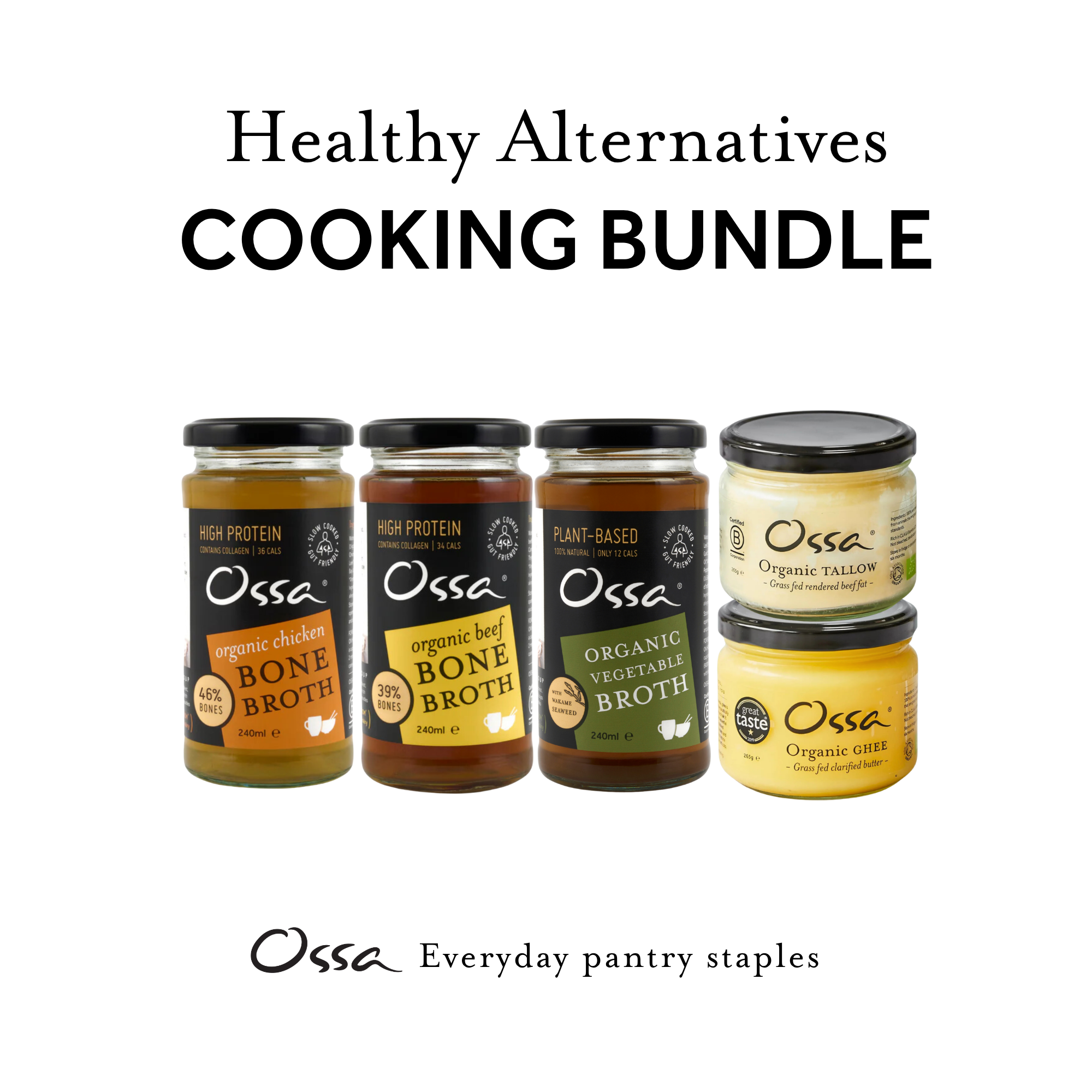
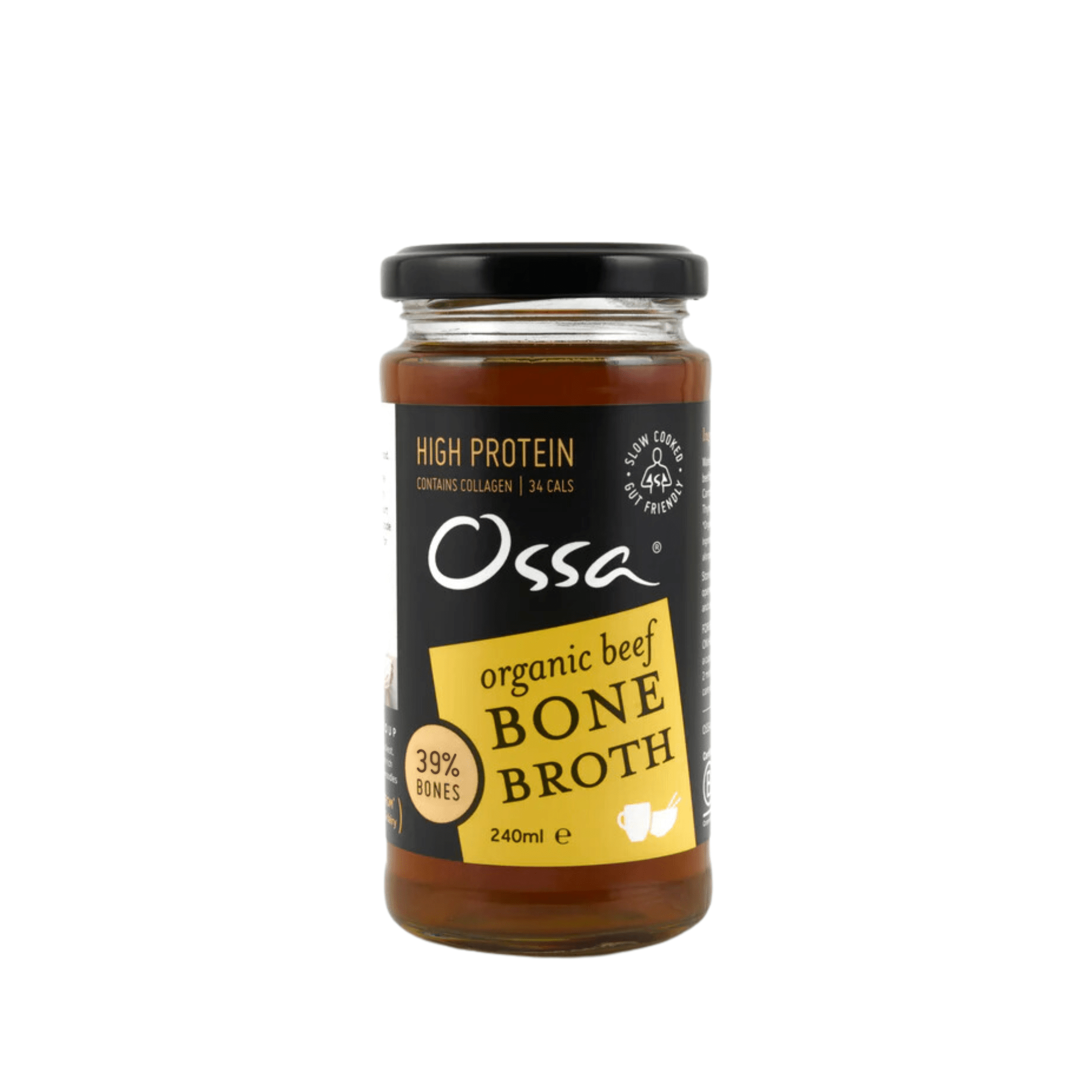
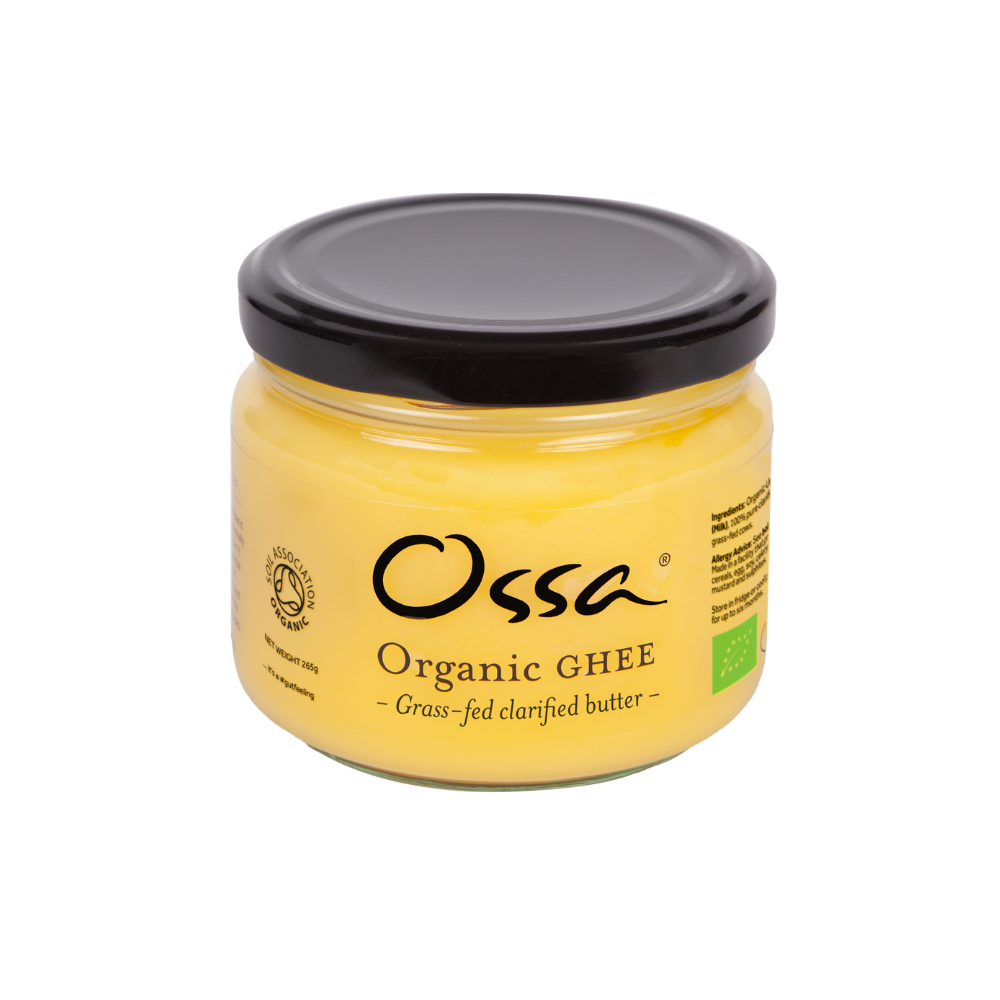
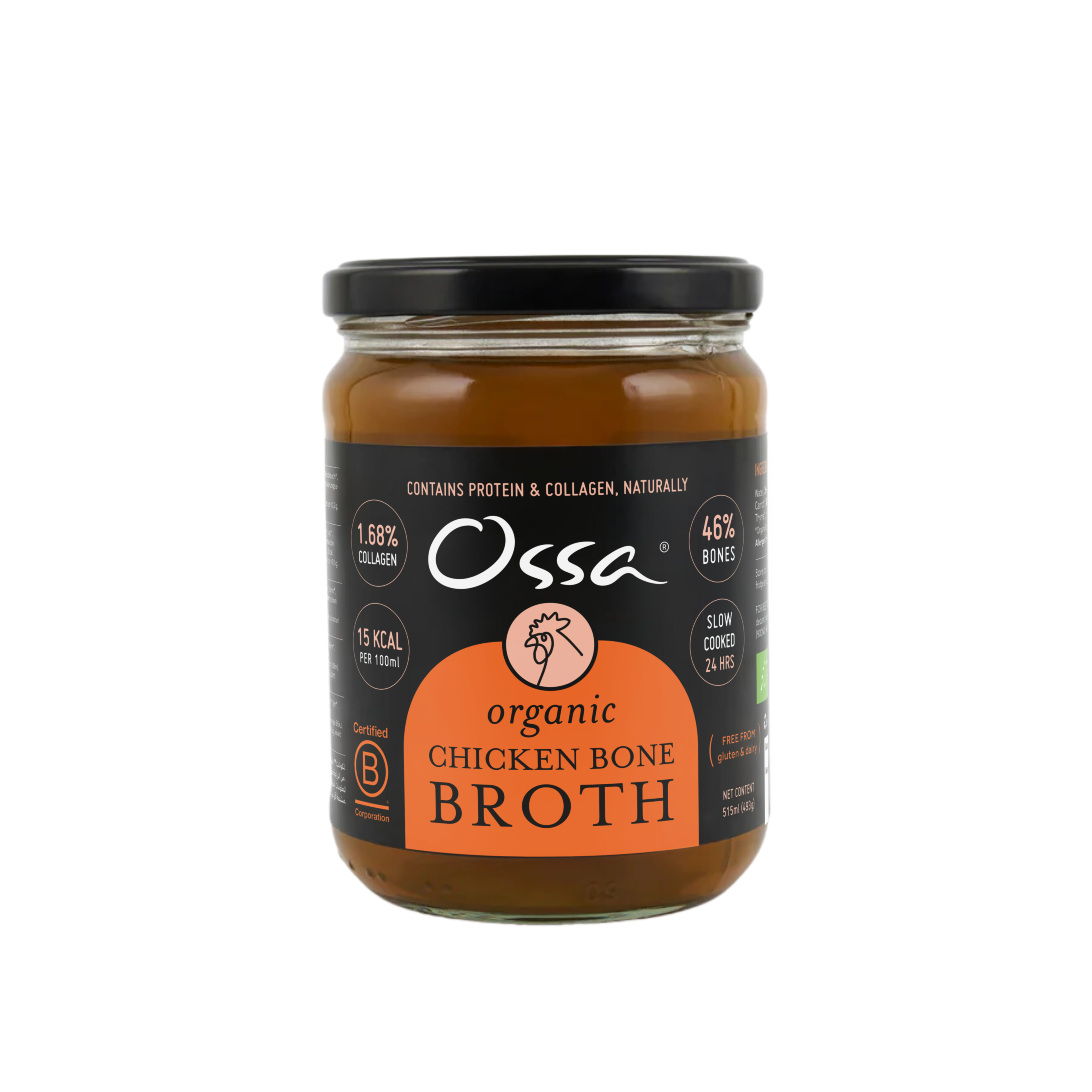
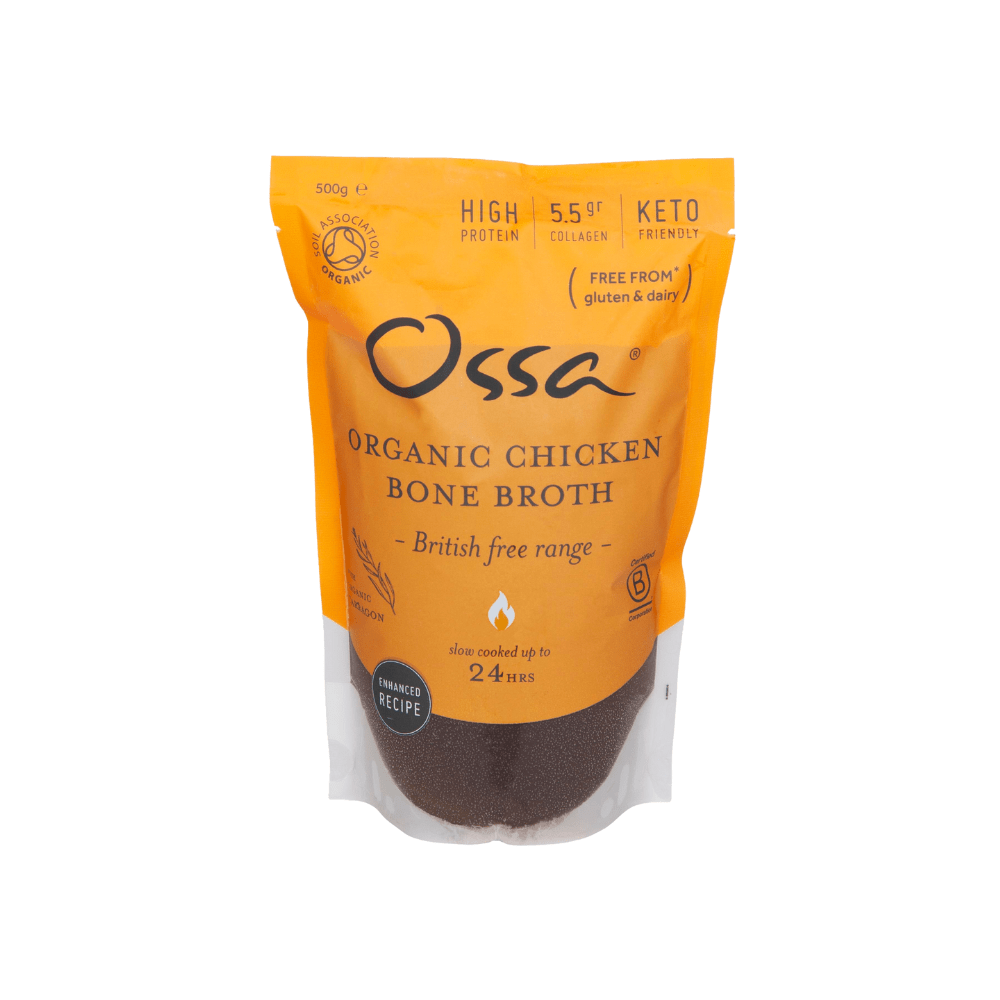
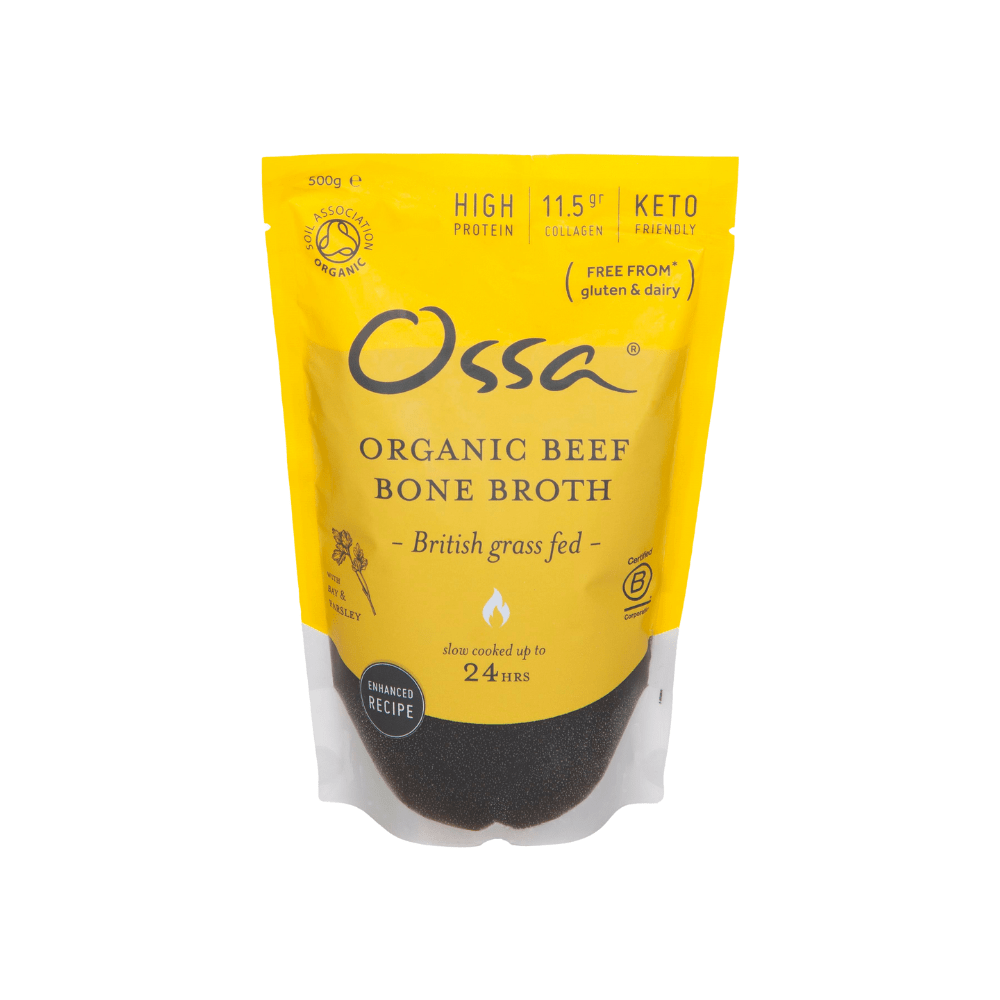
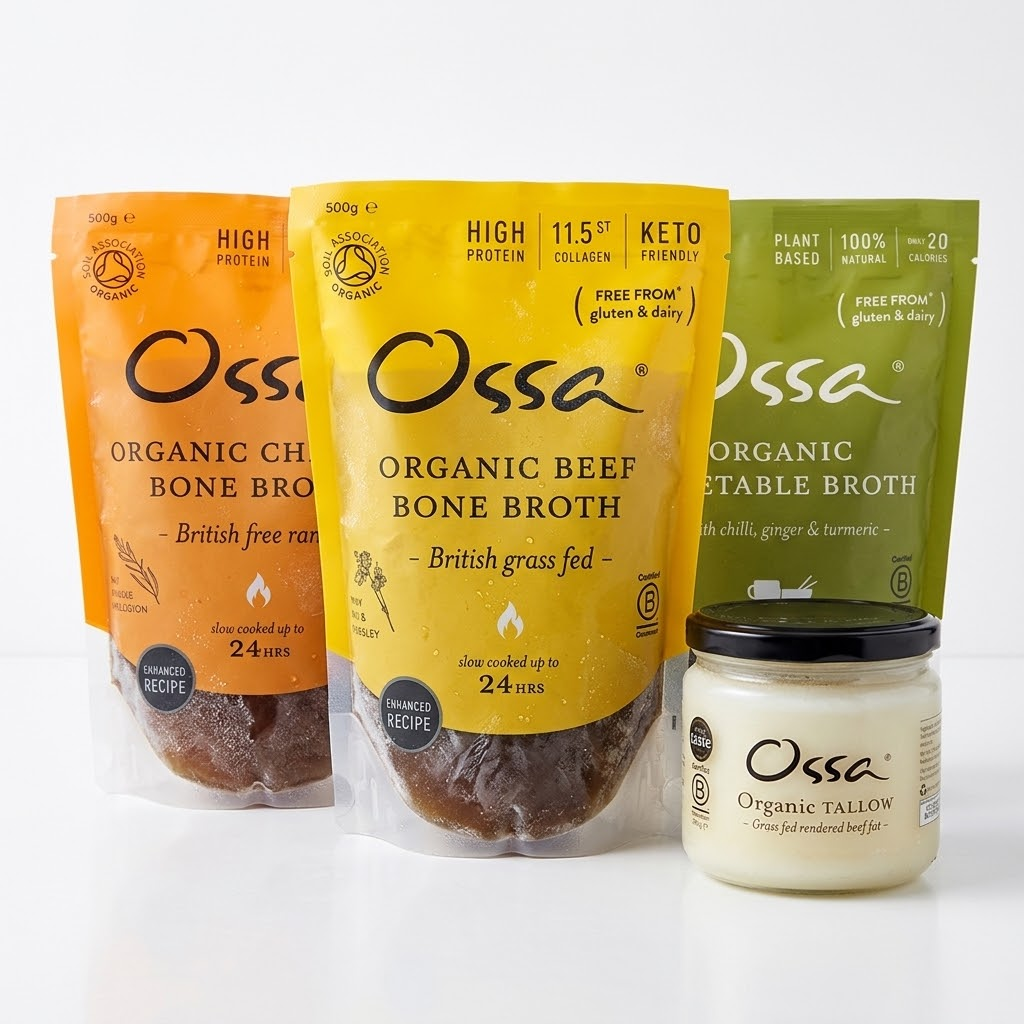
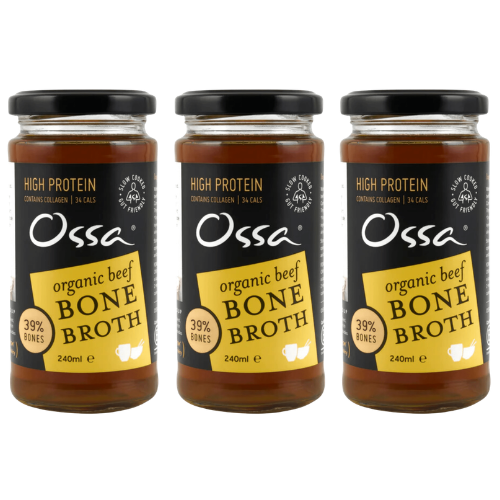
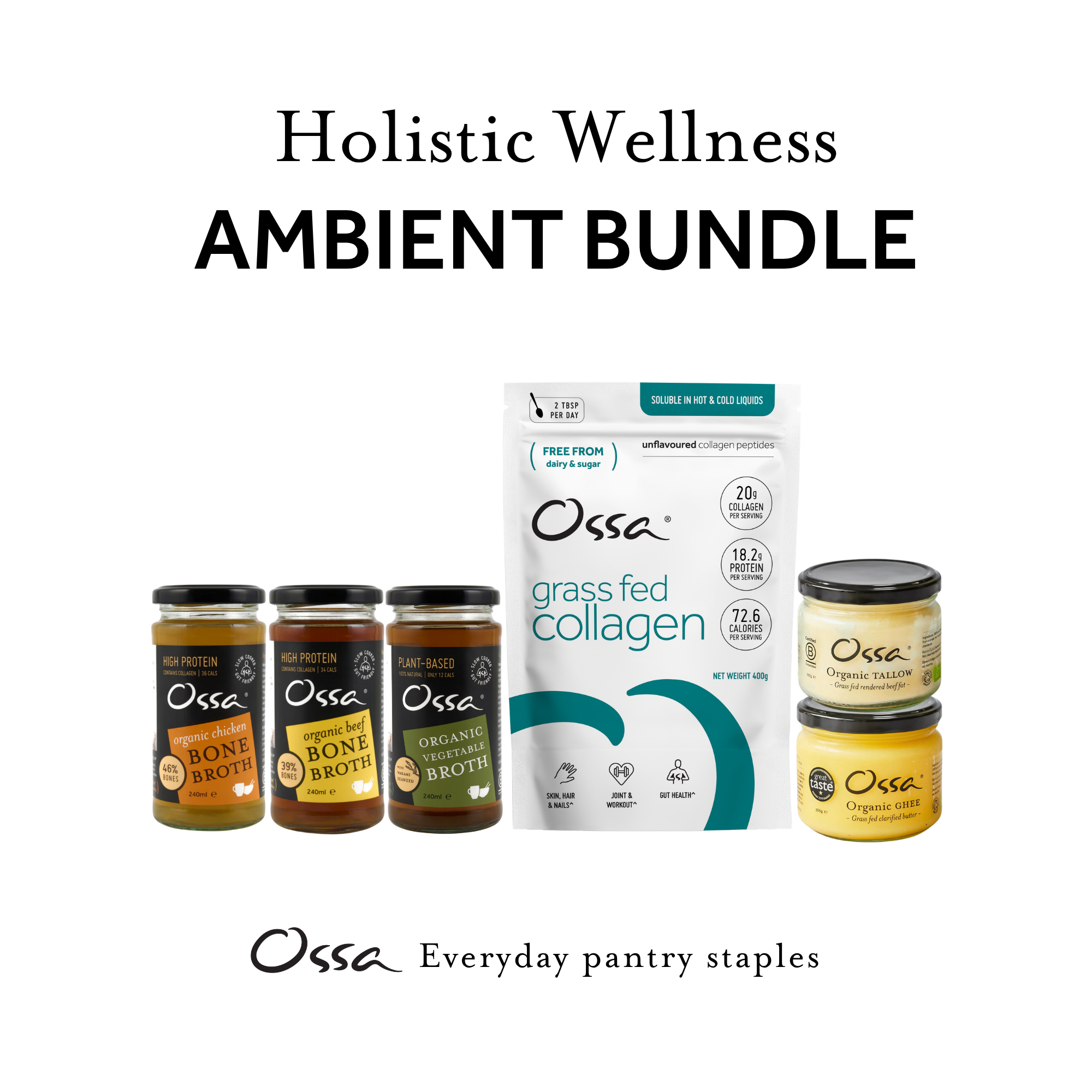
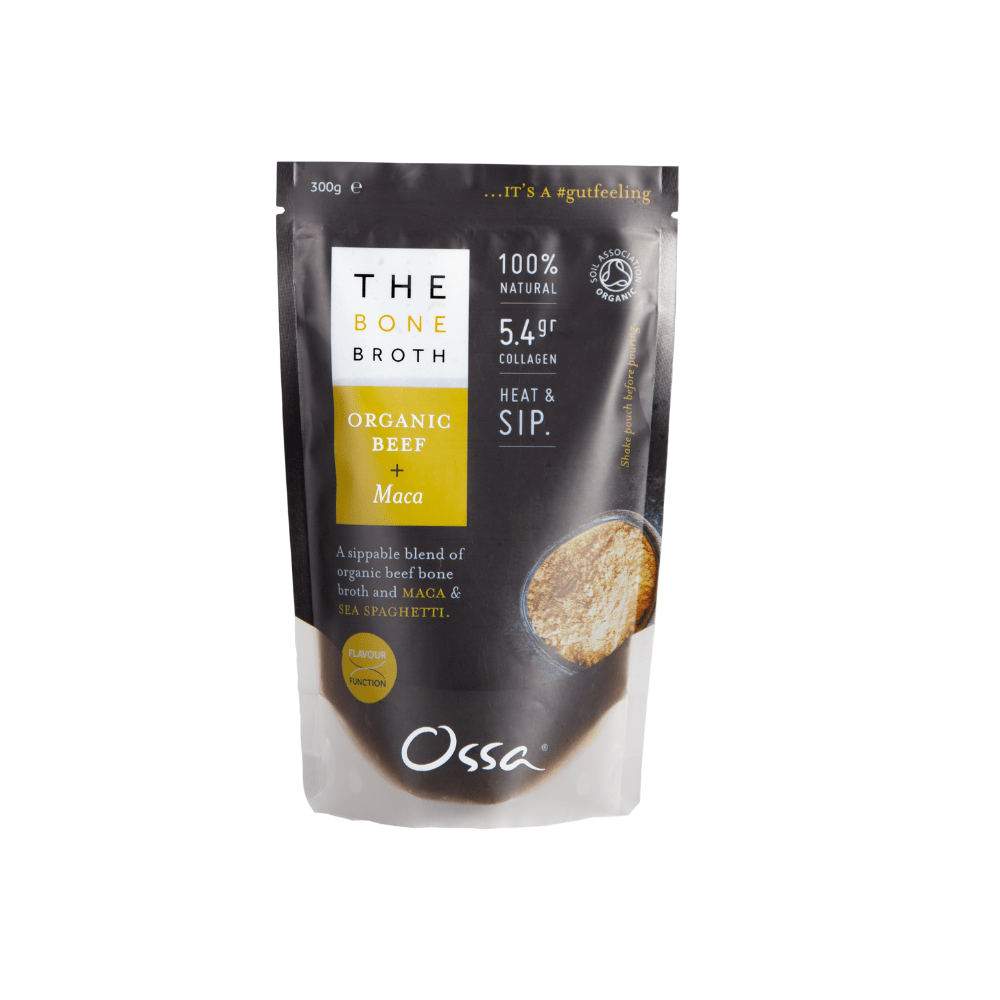
Once the method clicks, having the right staples in the cupboard removes the last bit of friction. Our Organic Free Range Chicken Bone Broth works straight into a flask or as a base for grain bowls, while our Organic Grass Fed Beef Bone Broth suits heartier soups for colder weeks. Our Grass Fed Collagen Peptides stir into porridge or a smoothie for extra protein at breakfast, and our Organic Ghee or Organic Tallow gives roasted veg a stable base for batch-cooking. Browse the full range of bone broths, fats and collagen to build your own preservative-free lunch kit, and check our blog for step-by-step recipes to go with it.
FAQ
What to make for lunch when you have no food?
A boiled egg, tinned fish or leftover roast chicken paired with whatever vegetables and fruit are in the fridge makes a balanced lunch with almost no planning. A slice of bread or leftover cooked rice fills the starch slot, and a splash of bone broth turns odds and ends into a quick soup.
What is a typical school lunch?
A typical packed lunch includes a portion of starchy carbohydrate, a protein source, at least one portion of vegetables and one portion of fruit, with processed meats, crisps, cakes and sweetened drinks left out. Many schools also ask parents to avoid nuts and certain additives for younger children.
What are good lunch foods for school?
Wholegrain sandwiches, boiled eggs, cheese cubes, vegetable sticks, fruit and a small pot of plain yoghurt all travel well and avoid preservatives. Soup in a flask or a grain salad also works for older children who can manage a wider range of textures.
What are healthy packed lunch options for adults?
A grain bowl with roasted vegetables and a protein such as chickpeas or tinned tuna, a wrap with hummus and salad, or a flask of bone broth soup all meet the standard of one starch, one protein, vegetables and fruit. Batch-cooking these at the weekend keeps the working week simple.